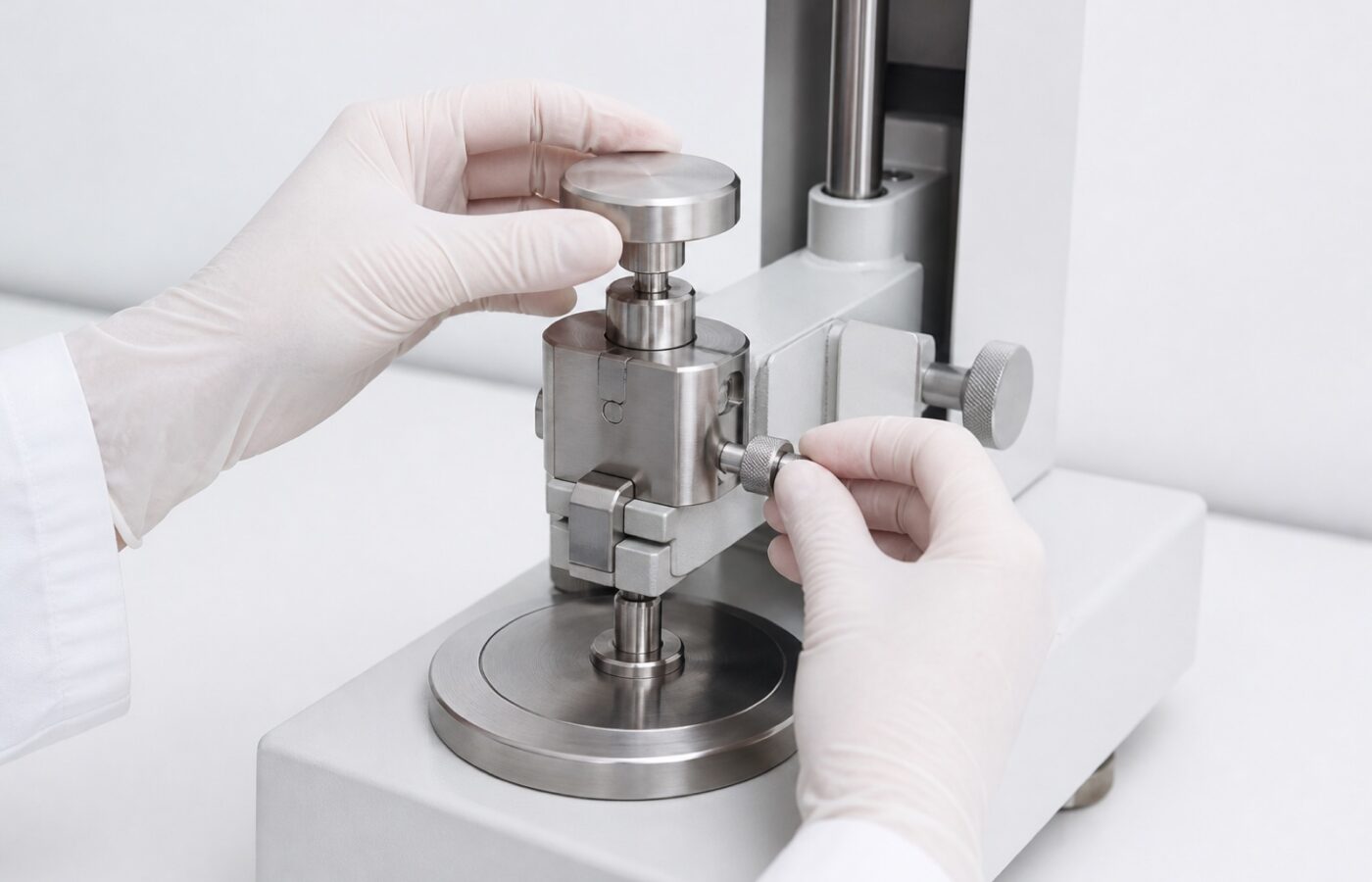
Calibration intervals are risk decisions, not calendar traditions. Here is the reasoning we walk through with every lab.
Start from the consequence of drift
Ask what happens if the instrument reads slightly wrong for a month. If the answer is a repeated experiment, a 12-month cycle may be fine. If it is a released batch or a regulatory finding, the interval tightens — the cost of checking is trivial next to the cost of not knowing.
Let usage and environment adjust it
A balance weighed hourly in a busy corridor drifts sooner than one used weekly in a stable room. Heavy duty, vibration, temperature swings and aggressive cleaning all argue for shorter cycles; gentle, stable duty argues for longer ones.
Use interim checks between calibrations
A daily or weekly check against a known reference — a check mass, a reference thermometer, a timed spin — turns twelve months of hope into a continuous record. Log the number, watch the trend, and the trend tells you whether the interval is right.
Adjust on evidence
If three cycles in a row arrive in tolerance with margin to spare, the interval can stretch. If any arrives out of tolerance, halve it and investigate. Written this way, your intervals defend themselves in any audit.