




Storing Cable Right: Moisture, Drums and Shelf Life
End caps, flange storage, weather protection and legible drum tags.
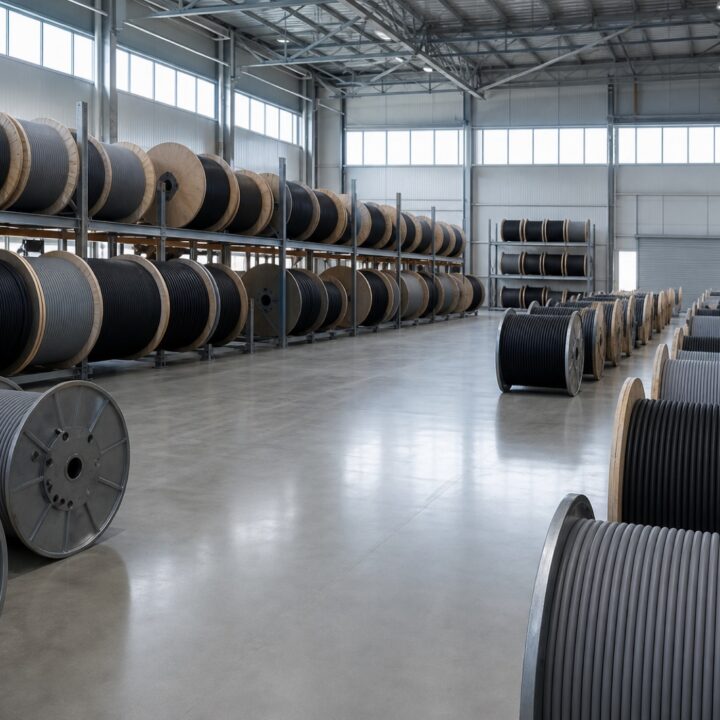
Two drawing lines and a 16-bobbin rigid strander feed the triple-head extruder at our Alderport works; the bay next door runs spark, withstand and soak testing. Standard winding is 500 m and 1,000 m timber drums, tagged at the flange.

Lay-up
Bunching, then a rigid strander laying cores at a 14 × pitch, then a triple head that puts bedding, screen and sheath on in a single pass. Nothing is re-heated and nothing is re-handled, so the geometry set at the lay plate is the geometry that reaches the drum.
Testing & complianceOrder route
Four stops, and you can ask where a drum is standing at any of them.
Send the cable list, or a photograph of the route drawing, which is usually quicker.
Conductor class, screen type and sheath compound fixed against the route, then quoted against that sheet.
Drawing, stranding and extrusion to the slot, then the soak tank and the withstand retest.
Cut to your pull lengths, wound onto timber drums, flange-tagged with batch and test reference.
Quoting desk
Constructions that turn up on most of the schedules we price.
Returnable drums and site reels sized to real pull schedules.
View & InquireBrass gland assortment covering unarmoured and armoured cable entries.
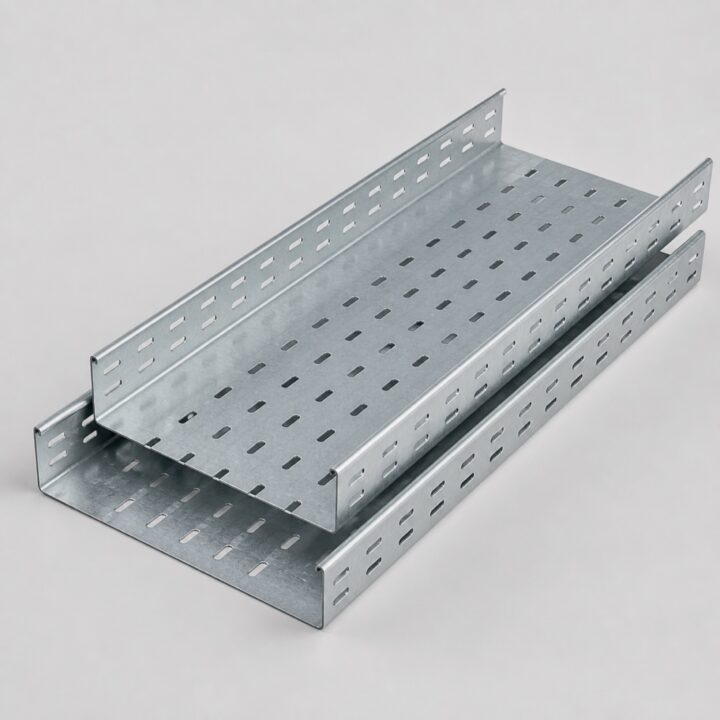
View & InquireGalvanized perforated tray system for clean, ventilated cable routing.
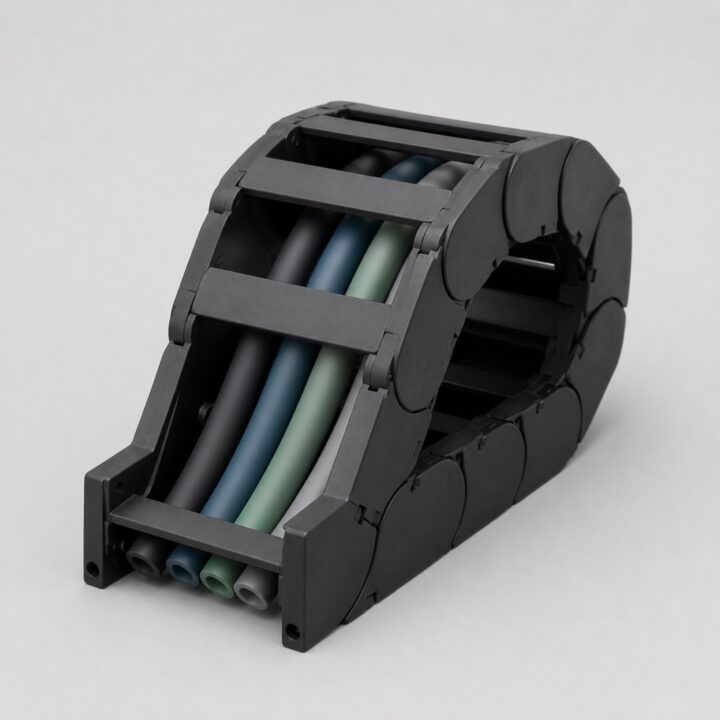
View & InquireHigh-flex cable engineered for millions of cycles in cable carriers.
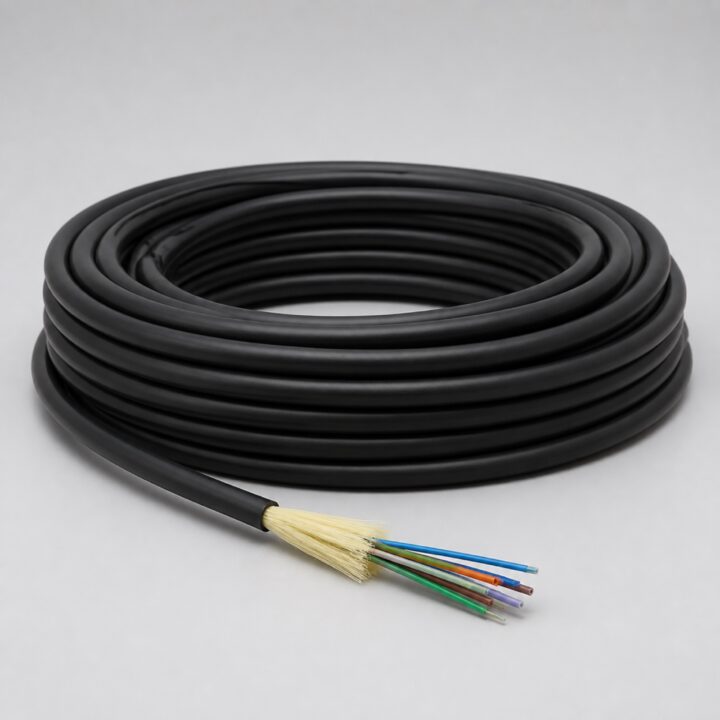
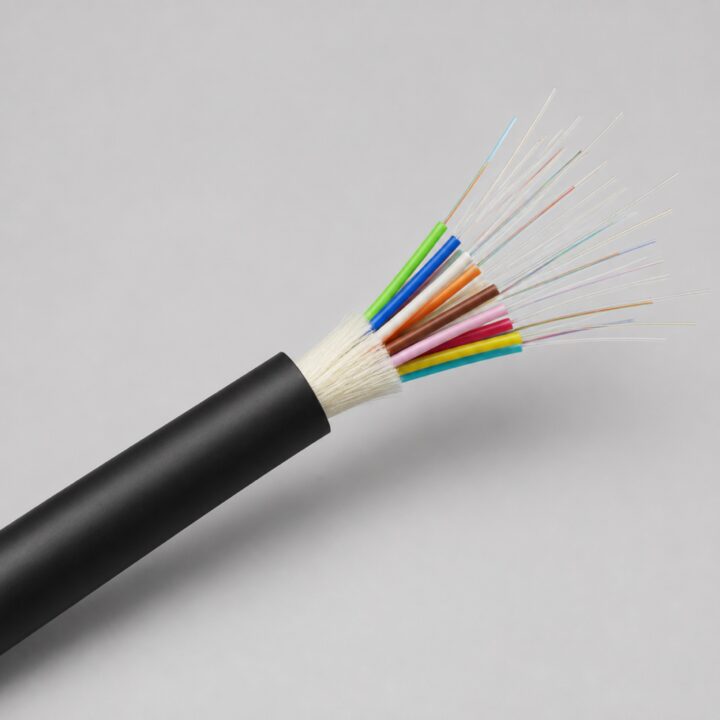
View & InquireLoose-tube optical cable for campus backbones and outdoor duct routes.
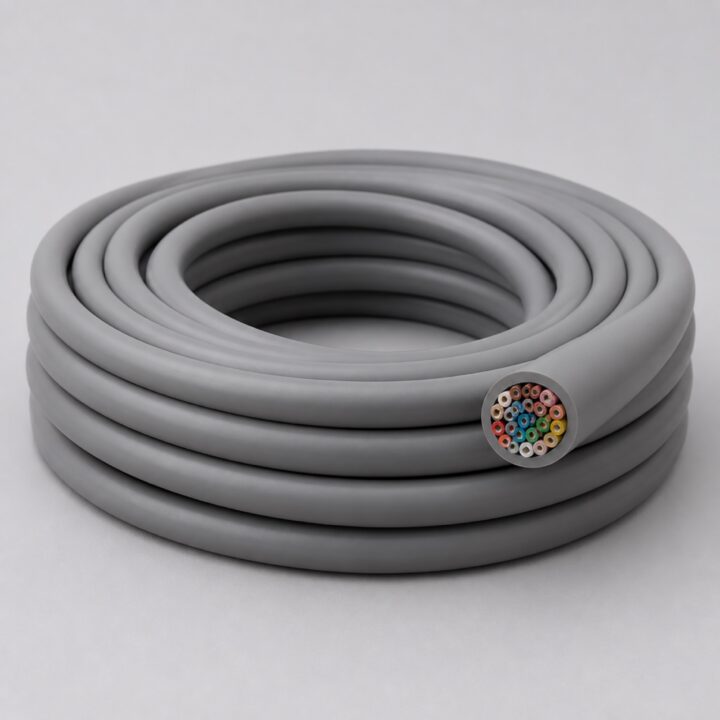
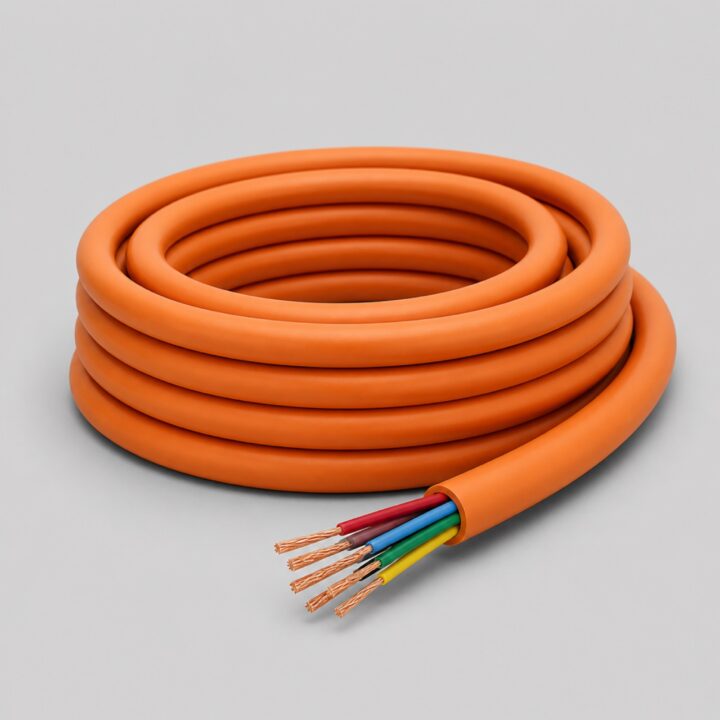
View & InquireMulti-core control cable for switchgear, machine wiring and process signals.
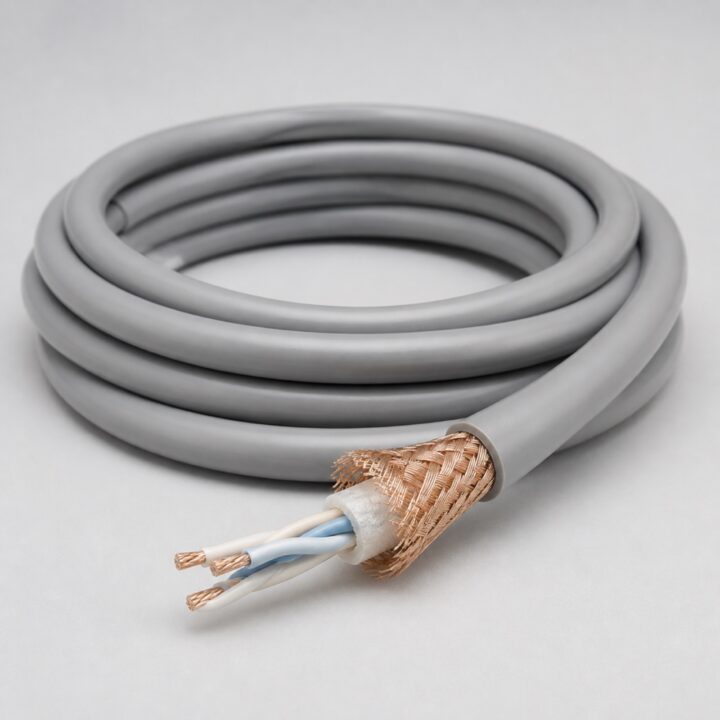
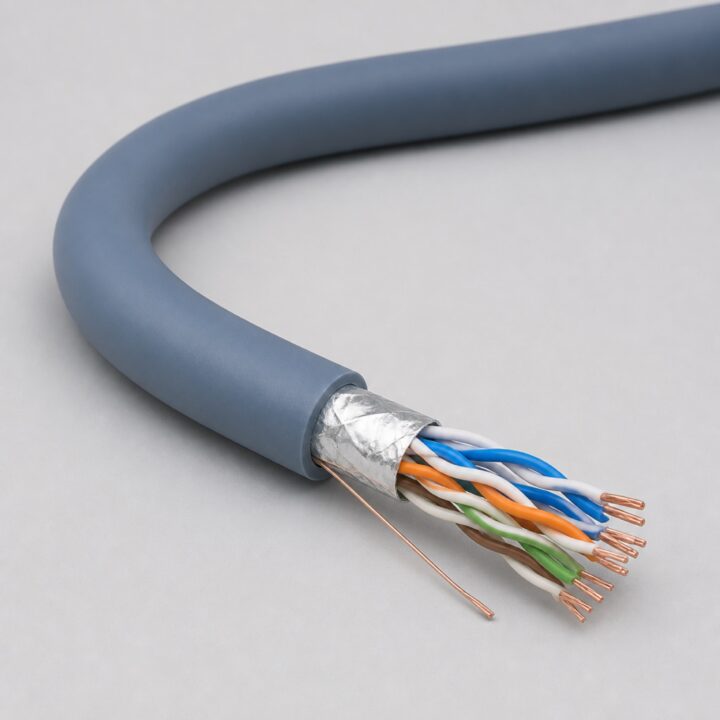
View & InquireFoil-shielded twisted-pair instrumentation cable for measurement and control loops.
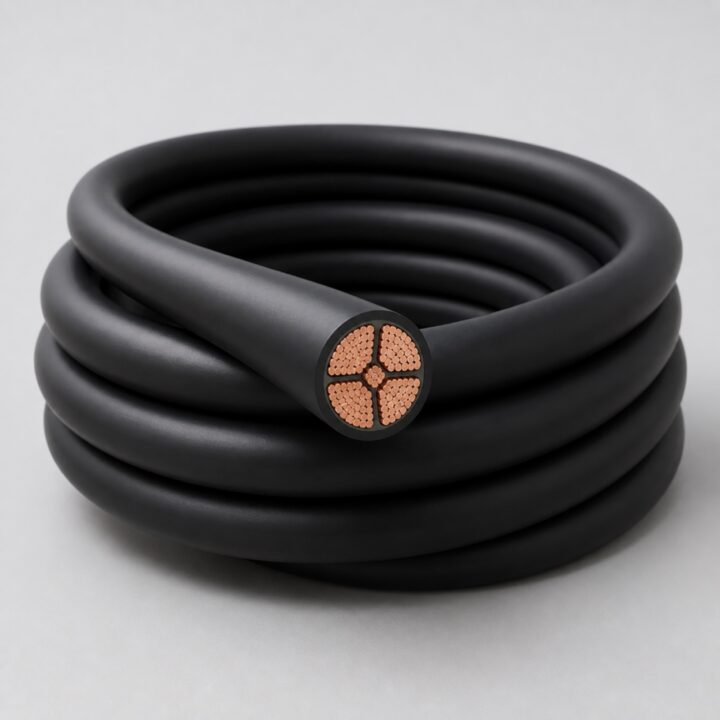
View & InquireStranded-copper power cable series for building and plant distribution feeders.
View & Inquire
Test bay
Insulation passes a spark tester at line speed, so a pinhole stops the run instead of reaching a customer. Finished lengths then go to the bay for conductor resistance, insulation resistance and a voltage withstand, and the measured values print onto the flange tag.
Request a quoteTrays, glands, lugs, rollers and drums come off the same order sheet as the cable.
A pinhole stops the run at the spark tester; finished lengths face the bay before winding.
Conductor class, screen type and sheath compound chosen against your route, not the catalogue default.
Drum sizes and cut lengths planned so splices land where the route design wants them.
Site notes
Drums turned up cut to our pull lengths with flange tags matching the schedule line for line. Site wiring stayed a day ahead the whole month.
Their engineer caught a bend-radius problem in our tray layout before we ordered. That one email saved a re-pull.
Dana K. Plant maintenance manager
Wall thickness and ovality read the same on every batch we cut open. Our incoming QA has been quiet since we switched.
Victor S. Panel shop owner
Duties, route lengths and environments are enough to start. A specification-matched quotation comes back within one business day.

Scan with WeChat to start a chat.
Please share the duty, route and lengths. We will reply promptly.

