VK-300 Cage-Guided Globe Control Valve
- Design standard ASME B16.34, sizing to IEC 60534
- Nominal size DN25 – DN300 (NPS 1 – 12)
Industrial valves for process plant
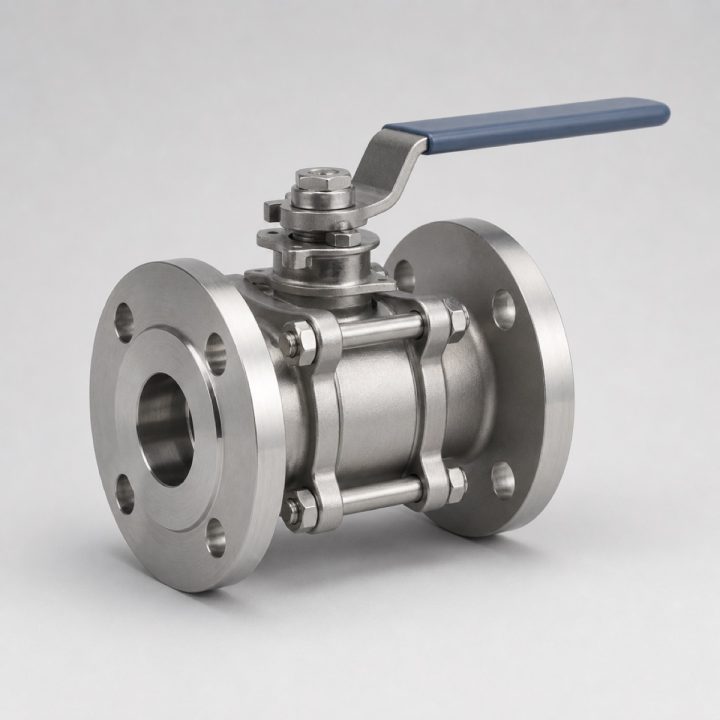
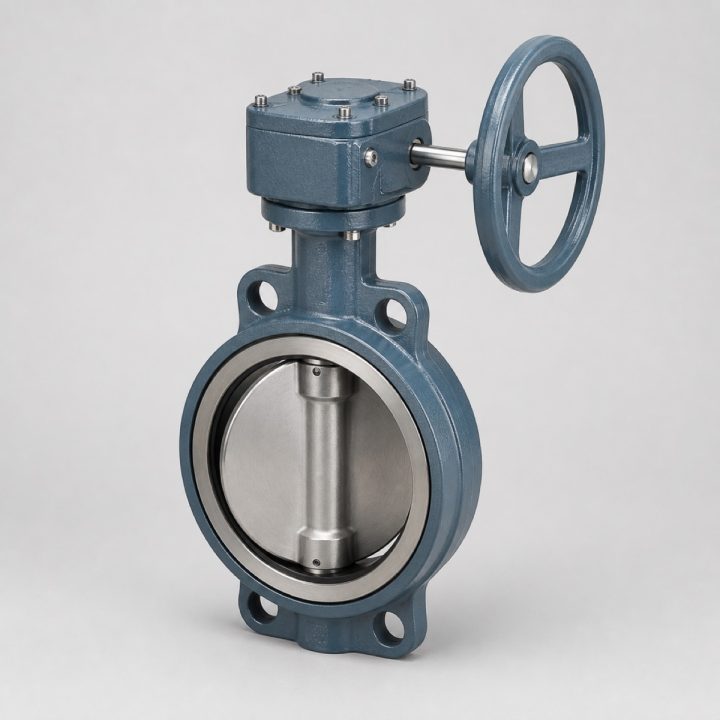
Gate, ball, butterfly, globe, check and control valves machined and pressure tested in one plant, supplied with the dimensional and material records the line file needs.

Selected valves
Send the line size, design pressure, medium and temperature. We come back with a body and trim combination, a face-to-face dimension and a datasheet.
All valvesValve families
Each family is built around a duty: shut-off, throttling, non-return or modulation. Pick the duty first and the body, trim and end connection follow from it.
View the full catalogueWhere they go
The same body casting becomes four different valves depending on the medium, the temperature and how often the line is cycled.

Pipeline and process isolation where the valve has to be proved shut before anyone opens the line. Trunnion ball valves with double block and bleed, and full bore gate valves for pigged sections.

Main steam, boiler feed and high pressure drains. Pressure seal bonnets and hardfaced trim, because a bolted joint that has to be retorqued after every thermal cycle is not a solution.

Large bore isolation on pump halls and distribution mains, where face-to-face length and the weight a support has to carry usually decide between a gate valve and a butterfly valve.

Corrosive and abrasive media, frequent cycling and duties that modulate rather than switch. Stainless and duplex bodies, hardfaced seats, and control valves sized against the real flow range.
How an order runs
Line size, design pressure and temperature, medium, and how the valve has to fail. That is enough to fix the pressure class, the body material and whether the trim needs hardfacing.
Bodies and bonnets are machined on CNC lathes and machining centres against the dimensional standard the drawing calls up, so seat pockets, flange facings and stem bores repeat batch to batch.
Every valve is shell and seat tested on the bench before it is painted. Pressures, hold times and the result are written down against the body serial number.
Material certificates, the test record and the dimensional sheet ship with the valve, so the line file is complete on the day it arrives rather than months later.
What ships with the valve
Medium, pressure, temperature and cycle frequency checked against the body and trim before anything is quoted.
Shell and seat tests to the pressure-test practice named on the datasheet, recorded against the body serial number.
Heat numbers carried from the casting or forging through machining to the certificate that ships with the valve.
Seats, seals, gaskets and stems held for the models in production, with repair kits identified by serial number.
Newsroom
The valve arrives, the size and class are right, and it is 40 mm too long for the gap in the pipework. Here is where that comes from.
Class 300 is not a pressure. It is a pressure-temperature curve, and the number on the body is the least useful point on it.
Both will shut a line. They fail differently, they cost differently to operate, and only one of them lets you prove the seal.
Talk to an engineer
Size, class, medium, temperature and how the valve has to fail is enough to work from. You get a body and trim recommendation and a dimensioned datasheet back.
Send the line size, class, medium and temperature and we will reply with a datasheet.
Please share your requirements, quantity, and specifications. We will reply promptly.