

AC-1500
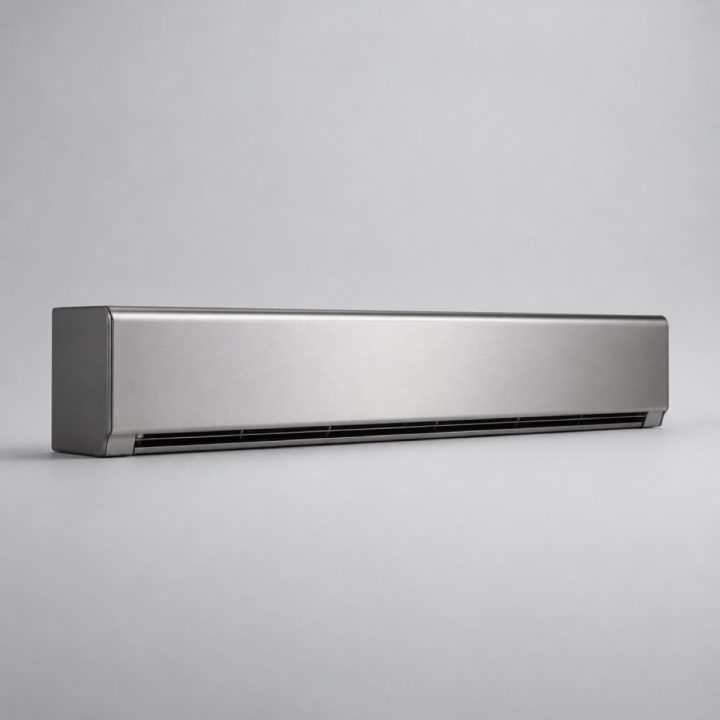
AC-1500 Industrial Air Curtain
- Opening width 1 500 mm
- Airflow range 2 600 – 4 200 m³/h
- Discharge velocity up to 13 m/s at the nozzle
Industrial fans and ventilation equipment
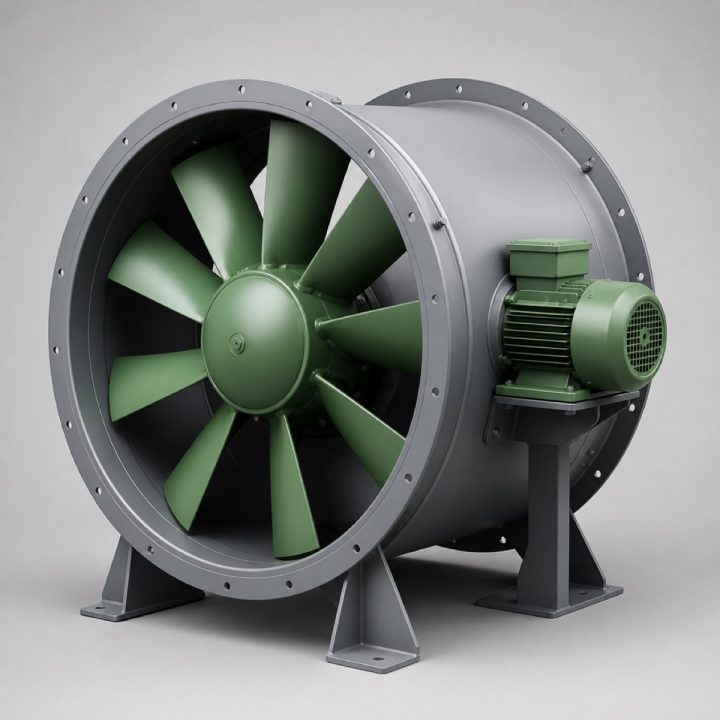
Centrifugal, axial, roof and inline fans built to a duty point, not a catalogue page. Send us the airflow, the static pressure and the temperature, and we will size the impeller and the motor around them.
Product range
Centrifugal, axial, roof, inline, explosion-proof and air curtain. Every unit is quoted against a duty point, with the fan curve and the sound power level attached.
View all productsSelected models
Send the airflow, the static pressure and the air temperature. We will come back with the operating point on the curve, the absorbed power and the sound data.
All modelsAC-1500
RF-500-V
ID-315
AX-630-LC
CF-800-RB
CF-450-BC
Where they work
The same impeller is built four different ways depending on the air it has to move and what that air is carrying.

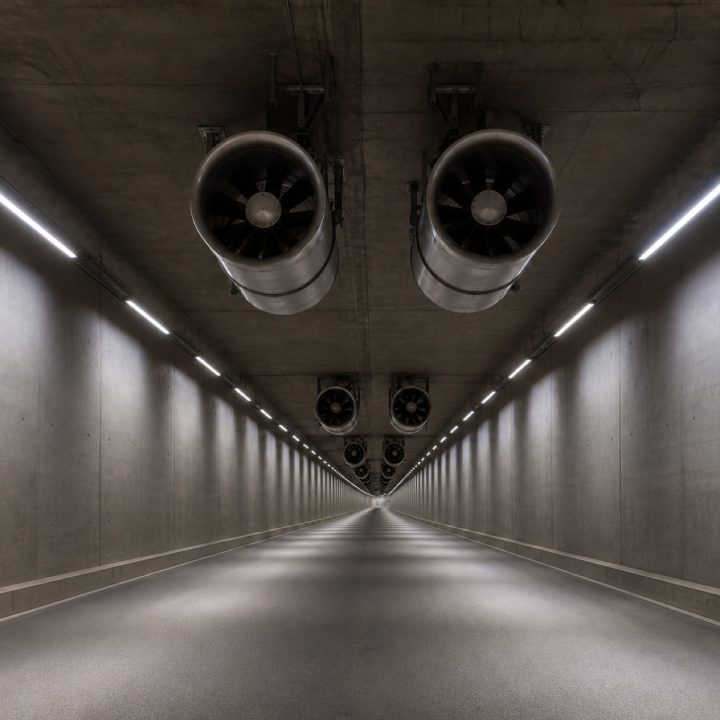
Long duct runs, high system resistance and a jet or booster fan sized for the worst case rather than the average. Casings are specified for the drive length and the temperature the tunnel actually reaches.

Washdown-ready casings, stainless or coated impellers and bearing arrangements that survive daily cleaning. Air changes are sized against the process load, not the room volume alone.

Corrosive and solvent-laden extract, with material and coating selected against your gas analysis. Where the atmosphere is classified, we build to the equipment category your assessment names.

Roof extract, car park ventilation, kitchen extract and door air curtains, sized to a duty point and quoted with a sound power level for the position it is measured in.
How we work
Send the volume flow, the static pressure, the air temperature and the density at your altitude. We place the duty point on the fan curve and tell you where it sits relative to peak efficiency.
Impellers are welded, then dynamically balanced on a two-plane machine. Casing material, coating and shaft seal are chosen against the gas, the dust load and the temperature, not against a default.
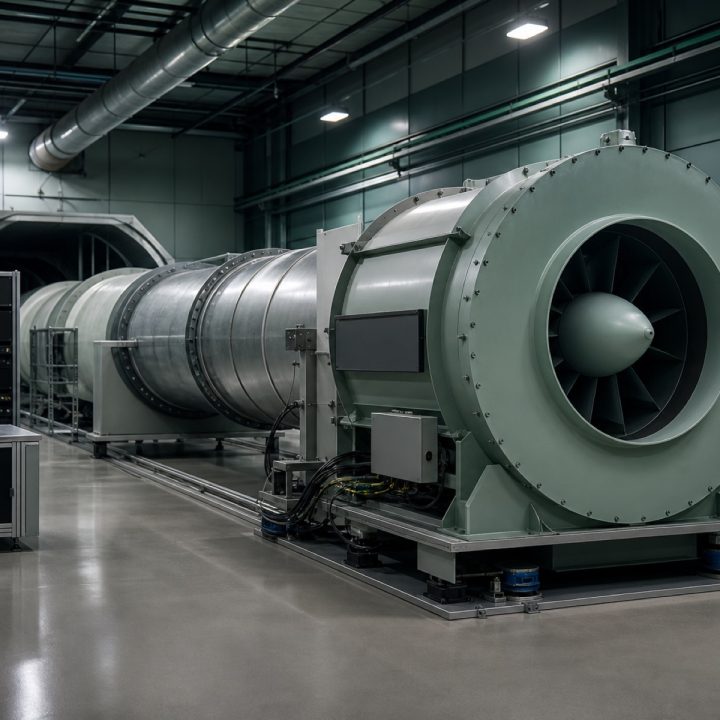
Aerodynamic performance is measured on a ducted test rig following the ISO 5801 method, and vibration is checked at the operating speed. The measured points are recorded against the serial number.
Impellers, bearings, shaft seals and motors stay available for the life of the model. Replacement parts are matched to the serial number so a superseded impeller is caught before it ships.
What you get
Airflow, static pressure, temperature and altitude reviewed before a fan size is proposed.
Every impeller is dynamically balanced and every unit is run at its operating speed before it is crated.
The fan curve, the absorbed power and the sound power level are supplied with the offer, not after it.
Impellers, bearings, seals and motors held for as long as the model is in service, matched by serial number.
Newsroom
G6.3 or G2.5 is not a slogan. It sets a permitted residual unbalance, and the force it allows rises with the square of the speed.
Sound power and sound pressure are different quantities, and inlet, outlet and casing-radiated levels solve different problems.
The fan runs where the fan curve crosses the system curve, not where the catalogue extract says it does.
Talk to an engineer
Airflow, static pressure, air temperature and how the fan is ducted. You will get a sized model, the operating point on its curve and the sound data for it.
We reply to every enquiry within one business day.
Please share your requirements, quantity, and specifications. We will reply promptly.