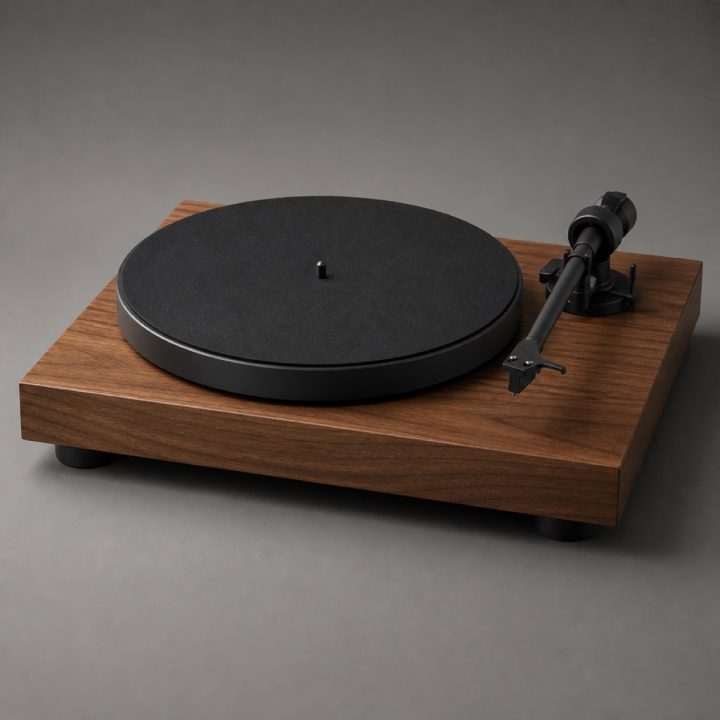
RSN-BD2
BD-2 Belt-Drive Turntable
A manual belt-drive deck with a switchable phono stage and a moving-magnet cartridge fitted…
Headphones, monitors and the small amount of hardware between them and the music. Every specification we publish is the one you would compare, and the ones we cannot verify are marked as such.
A short catalogue rather than a wall of options. Driver size, impedance, sensitivity and connection are listed on every product page so you can compare before you buy.
Shop allRSN-BD2
A manual belt-drive deck with a switchable phono stage and a moving-magnet cartridge fitted…
RSN-DA1
USB, optical and coaxial in; balanced and unbalanced headphone out, plus a line output…
RSN-PS6
A 2 kg battery speaker with a passive radiator, aptX, an aux input and…
RSN-TW20
10 mm dynamic drivers, AAC and aptX Adaptive, seven hours a charge and a…
RSN-NF5
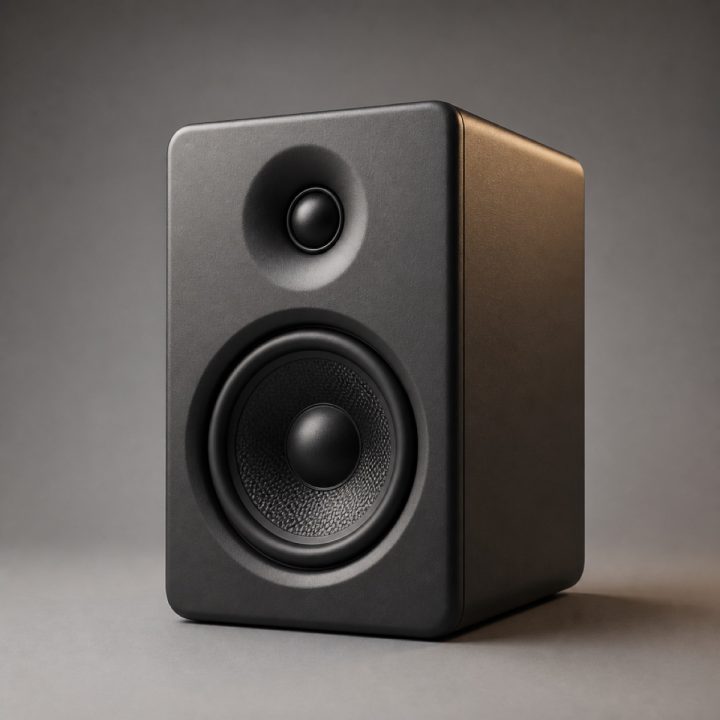
A two-way active nearfield with a 5 inch woofer and 60 W of onboard…
RSN-OE90
A 50 mm dynamic open-back at 300 ohms, built for a quiet room and…
RSN-HS1
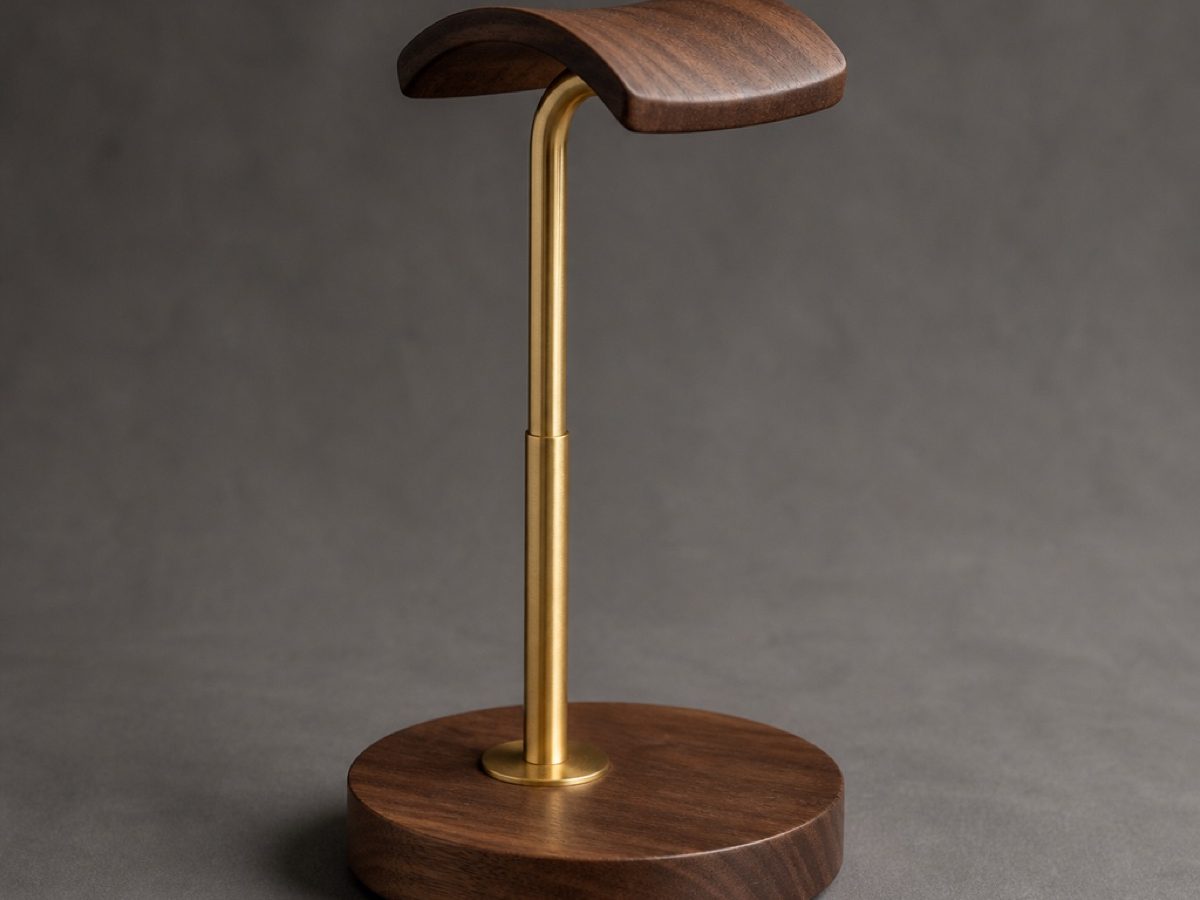
A weighted aluminium stand with a wide felt-lined yoke, so a headband rests on…
Desk, commute, or a room with the door shut. Each collection is a small set of equipment picked to suit one of those, not a filter on a catalogue.
Shop allDriver size and type, nominal impedance, sensitivity, frequency response, weight and what the cable plugs into. Those are the figures you would compare between two pairs, so they sit on the product page rather than in a downloadable sheet.
Distortion, isolation in decibels and channel matching all need a measured test report to be worth printing. Where we do not have one for a product, the row says so instead of carrying a figure we cannot stand behind.
Earpads compress, cables get stood on, headbands wear. Everything in the range that can reasonably be a serviceable part is one, and we stock the pads and cables for what we sell rather than treating a worn pad as the end of a headphone.
Clamp force, pad depth and weight decide whether you finish an album. A pair that measures well and hurts after forty minutes is the wrong pair, which is why weight and pad material are listed as prominently as the driver.
Four things worth understanding before you compare two product pages.

Dynamic drivers move a lot of air for the money, planar magnetic ones trade efficiency for a flatter response. Neither is automatically better. The housing around them, open or closed, changes the result more than the badge does.

A monitor two feet from a wall behaves differently from the same monitor on a stand in the middle of a room. Where a product benefits from placement or a stand, the product page says so rather than leaving you to find out.
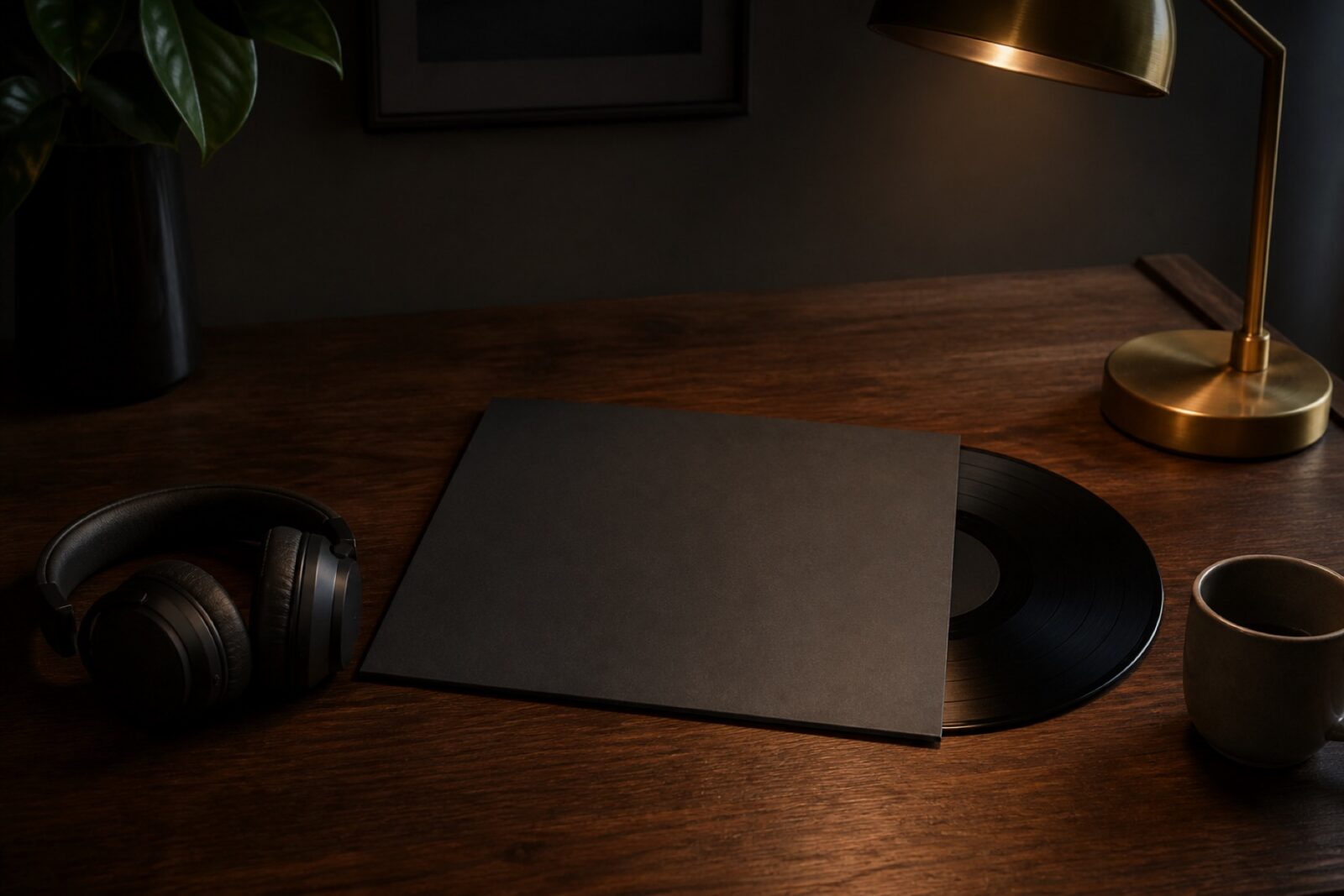
Most listening happens next to a keyboard. Cable length, plug angle, how much desk a speaker takes and whether a headphone stays comfortable through a working day are all part of the specification here.

No measured distortion figures, no review scores, no awards and no partner logos. If a claim would need a test report or a third party to stand behind it, the specification row is marked for the client to confirm instead.
A shared office and a quiet room want opposite things. Closed backs and earbuds keep sound in and out; open backs need a room where leaking is fine.
Both are printed on every product page here. Low impedance and high sensitivity run happily off a phone; the reverse usually wants an amplifier.
Wired, USB, Bluetooth with a named codec, or line in. Match it to the source you already own before you look at anything else on the page.
Comfort decides whether you keep using a pair. Weight, clamp and pad material are listed on every headphone in the range for exactly that reason.
Digital-to-analogue conversion has been a solved problem for a while. Getting enough voltage into a high-impedance headphone has not.
The enclosure decides more about your experience than the driver does, and the right answer depends entirely on where you are sitting.
Two numbers on every headphone box, one of them widely misread. Here is what each one predicts and what it does not.
Restock dates, replacement earpad and cable availability, and the occasional correction when we get a specification wrong. Roughly once a month. Unsubscribe in one click.