

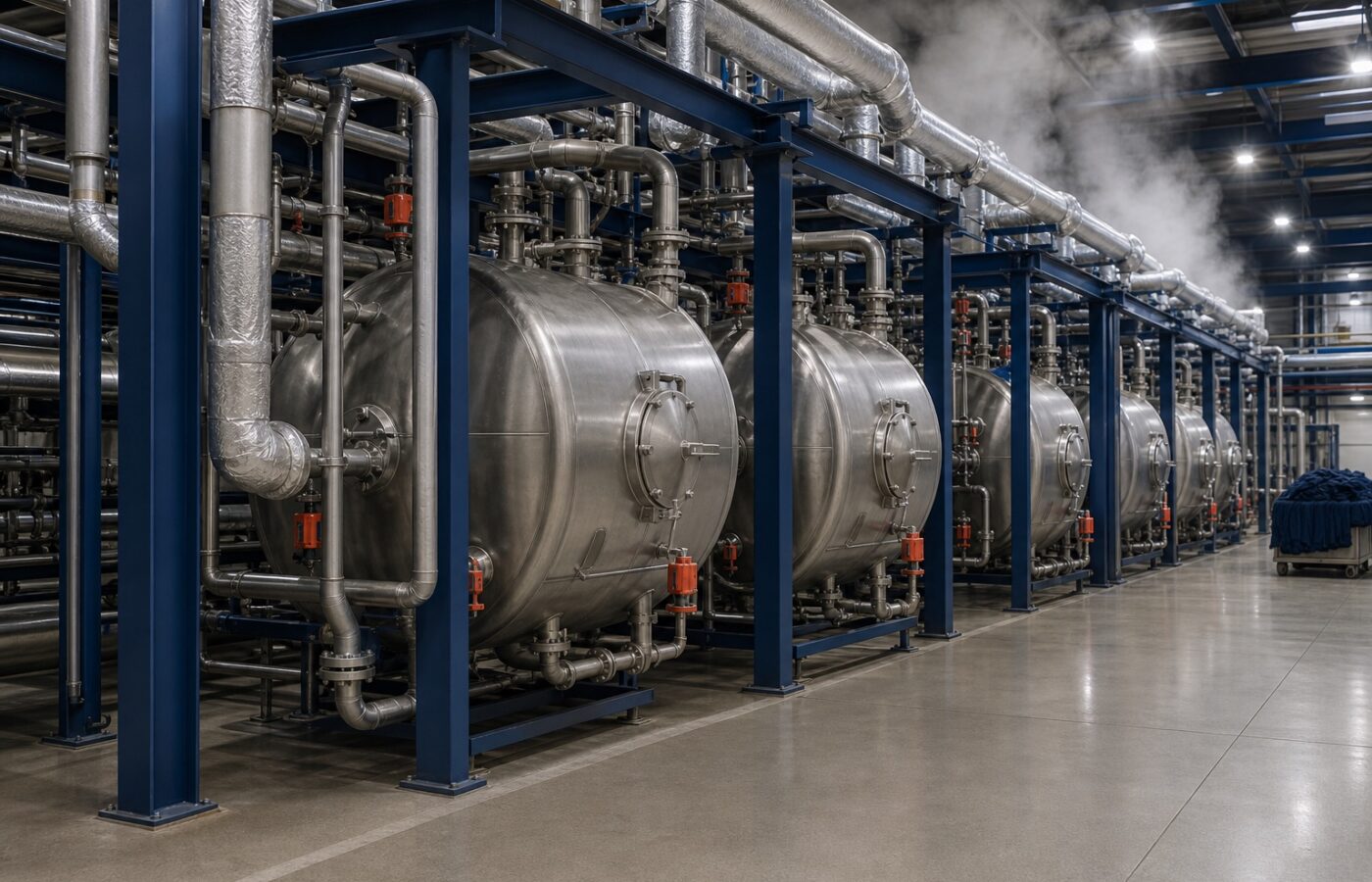
The cheapest dyehouse saving is a smaller liquor ratio, not a bigger boiler
Fill vessels to design, check that the exchanger is actually piped in, and sequence shades against the thermal curve.

Fairspool loom and finishing works
Machines cross from the assembly hall to the test bay next door: looms run in on process yarn, frames doff a full package, stenter chambers hold setpoint. Commissioning is run by the engineer who wrote your settings.

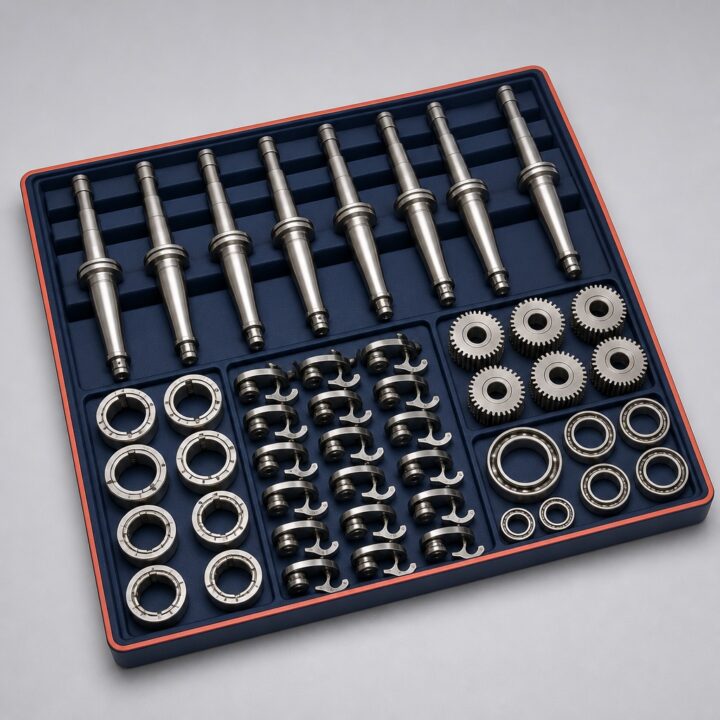
Machine shop
Frame castings are stress-relieved before they are machined, drafting rollers are ground and fluted on our own centres, and stenter chain rails are measured as a finished assembly. Geometry that leaves the fixture is the geometry the mill gets.
How we verify itShed floor
The looms arrived with test records that matched what we measured at commissioning. Paperwork and reality agreeing is rarer than it should be.
Their engineer questioned our winding tension plan before the frames shipped. That one email saved us a month of package complaints.
The stenter line went in over two phases as the dyehouse grew. Second phase bolted on exactly as promised, no redesign.
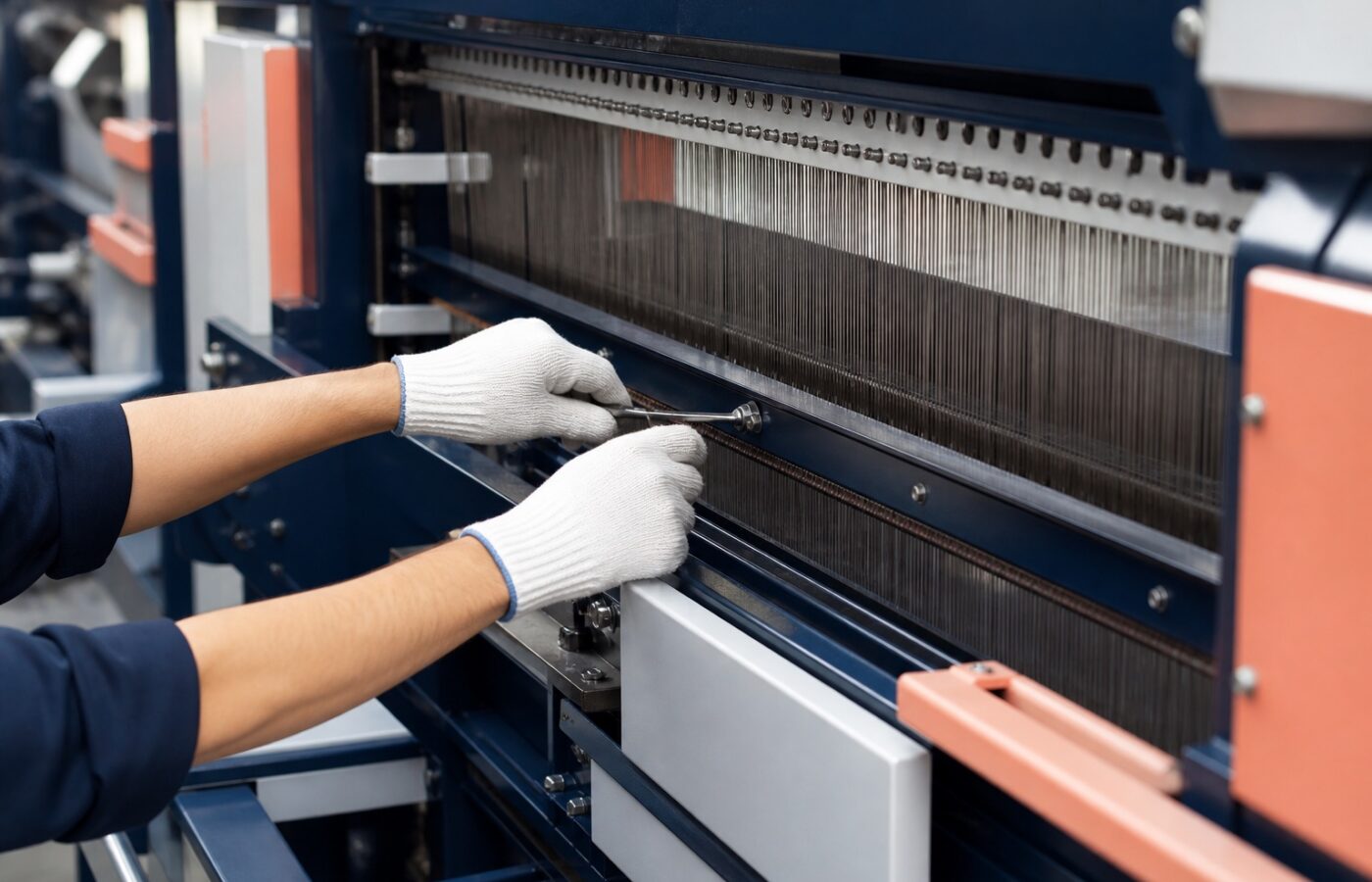
Bed, rail and reed-line geometry measured on calibrated fixtures and logged against the serial number.
Send 40 kg of the material you actually run and the machine leaves already weaving it.
Tension curves, shed timing and draft ratios come stored in the controller, not blank.
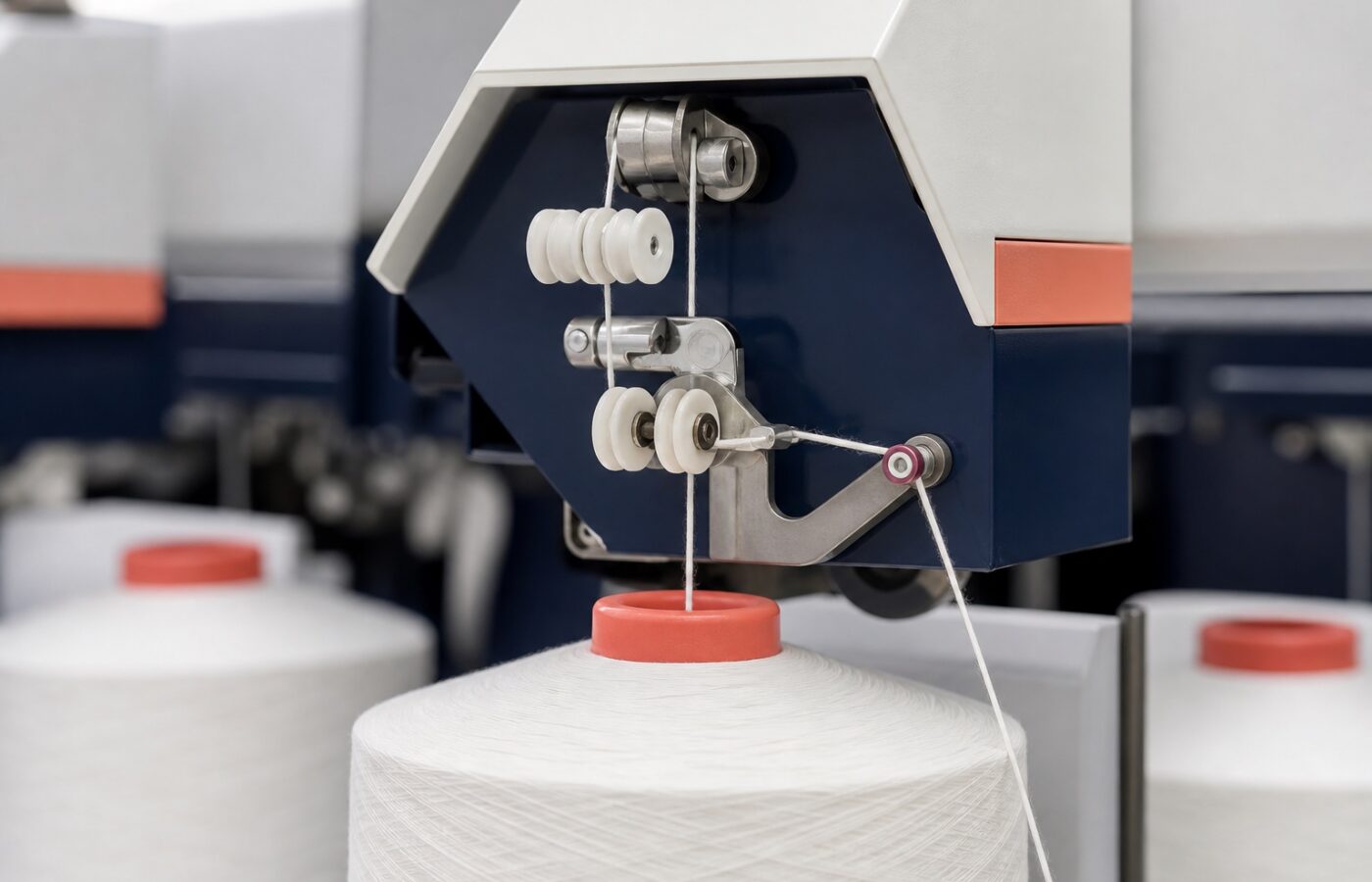
Travellers, rings, cots and heald wire kitted to your gauge and held on the shelf.
On the bench
The eight configurations our engineers have already sized dozens of times this year.
Spindle inserts, rings, graded travellers and bearing sets packed by frame section, each component…
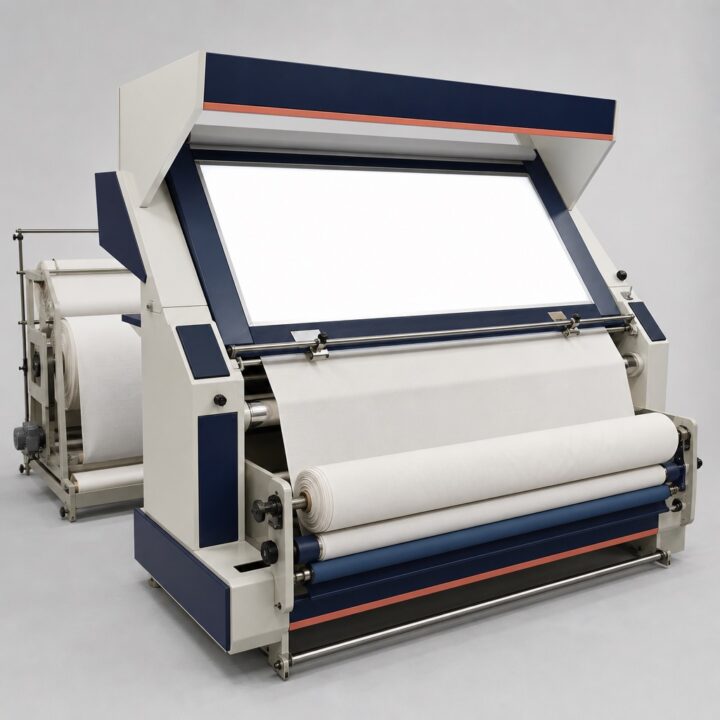
View & InquireBack-lit full width with selectable top and transmitted light, and defects that log against…
View & InquirePositive feed at every feeder with stitch length locked centrally, which is why fabric…
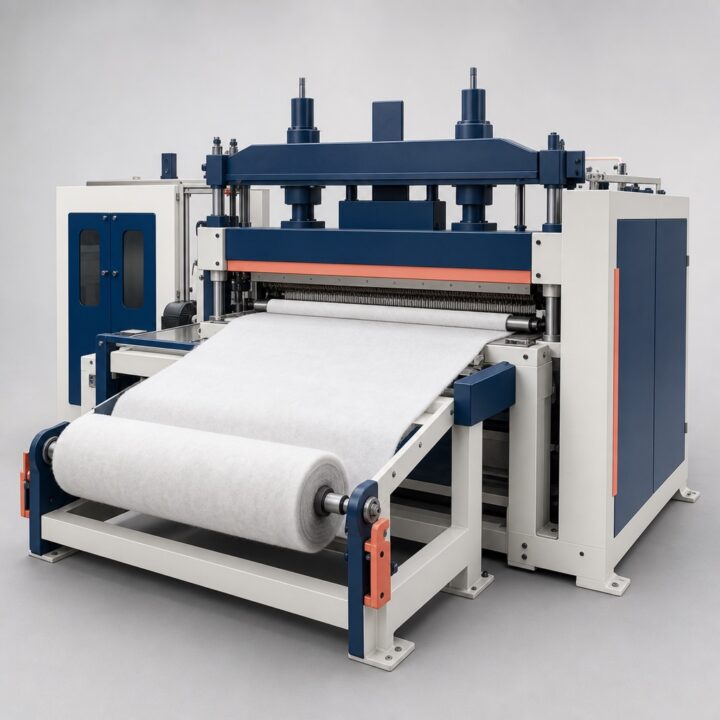
View & InquireA pin or clip chain holds width to the millimetre while weft straightening reads…
View & InquireA vacuum belt and low-tension unwind for stretch-sensitive knits, with head height following fabric…
View & InquireServo ring-rail motion with calibrated pressure arms, so a count change is a documented…
View & InquireEight-colour weft selection on a balanced cam sley, in reed widths from 1,900 to…
View & InquireRelay nozzles fire zone by zone against a stored air curve, and the controller…
View & InquireOrder route
Four milestones, each with a named engineer and a date on it.
Fibre and count, the fabric construction you are quoting, and the power, steam and air you have on site.
We pick reed width, gauge and drive package, then quote with the settings sheet attached to the datasheet.
Machined, assembled, then run on your material until the numbers repeat across three consecutive shifts.
Levelled, aligned, warp on, and a sample piece woven with your weaver standing at the machine.
Test bay
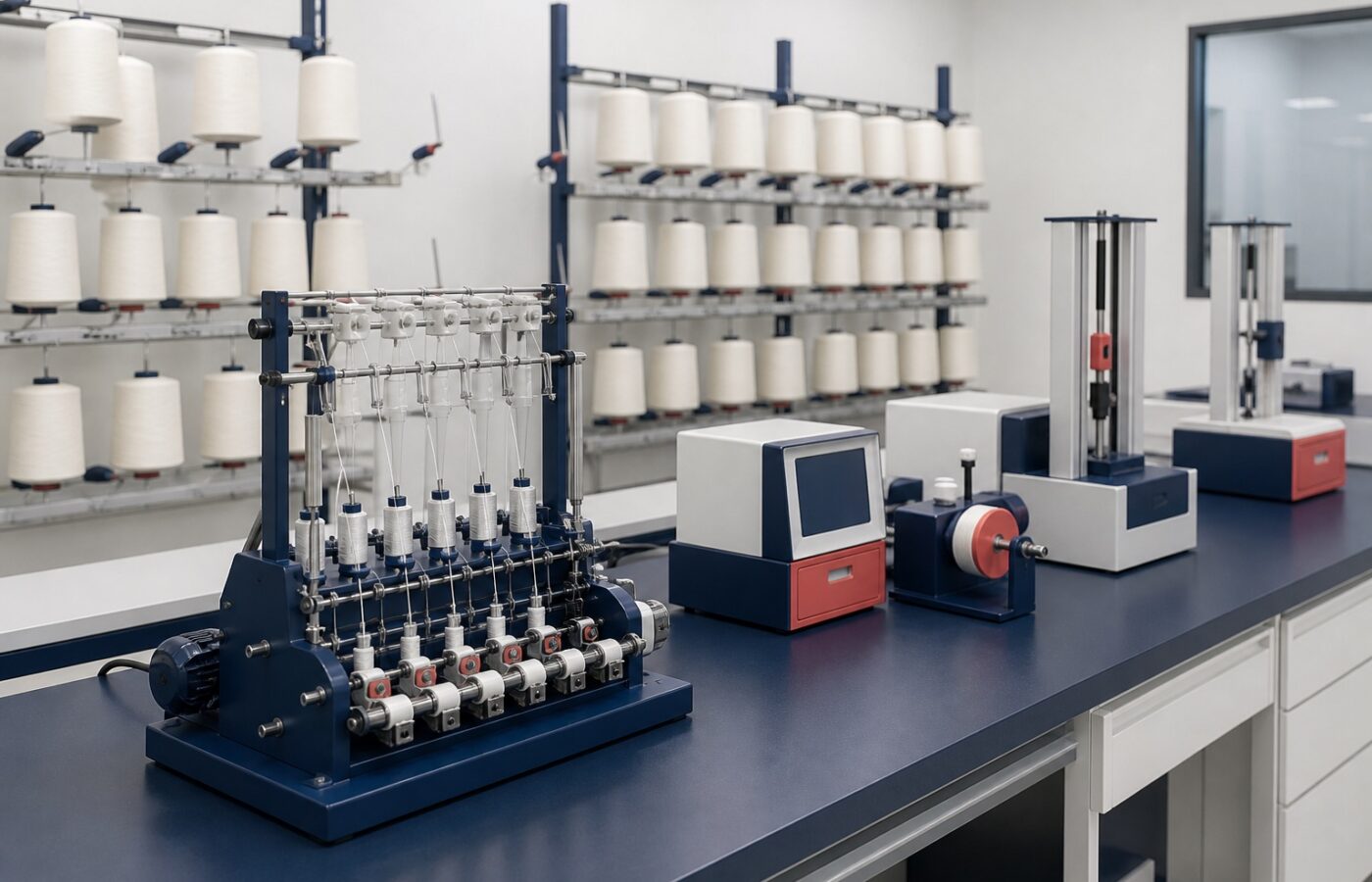
Looms weave a sample piece at rated insertion, spinning frames run a full doff, stenters cycle every chamber to setpoint. Geometry is re-checked warm, insertion timing is logged for the whole run, and the printout ships taped inside the electrical cabinet.
Price a machineSend the fibre, the construction and the utilities on site. A sized recommendation with the settings sheet comes back within one business day.

Scan with WeChat to start a chat.
Please share your requirements, quantity and process details. We will reply promptly.