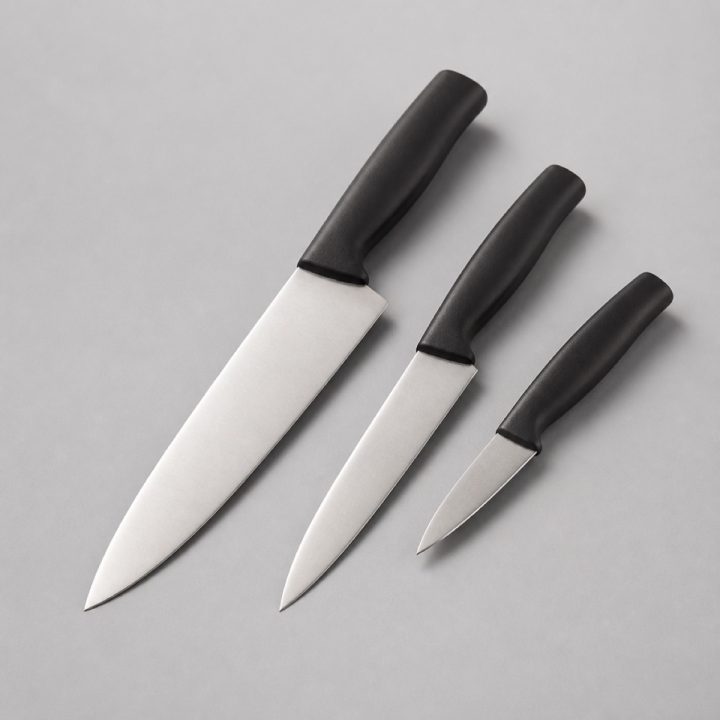
Three knives
Three-Knife Set
A 20 cm chef's knife, a 15 cm utility knife and a 9 cm paring knife.…
$175.00 Add to cart
Cookware for daily use
Tri-ply stainless, cast iron and carbon steel, in the sizes people actually reach for. We publish the base thickness, the weight and what each pan asks of you before you buy it.
The range
Six groups, each built around what the pan has to do on the heat. Materials and thicknesses are listed on every product page.
Shop allOn the hob
A frying pan, a saucepan and something heavy for braising will handle the majority of what a home kitchen does. Start there and add on.
Shop allThree knives
A 20 cm chef's knife, a 15 cm utility knife and a 9 cm paring knife.…
5.5 L
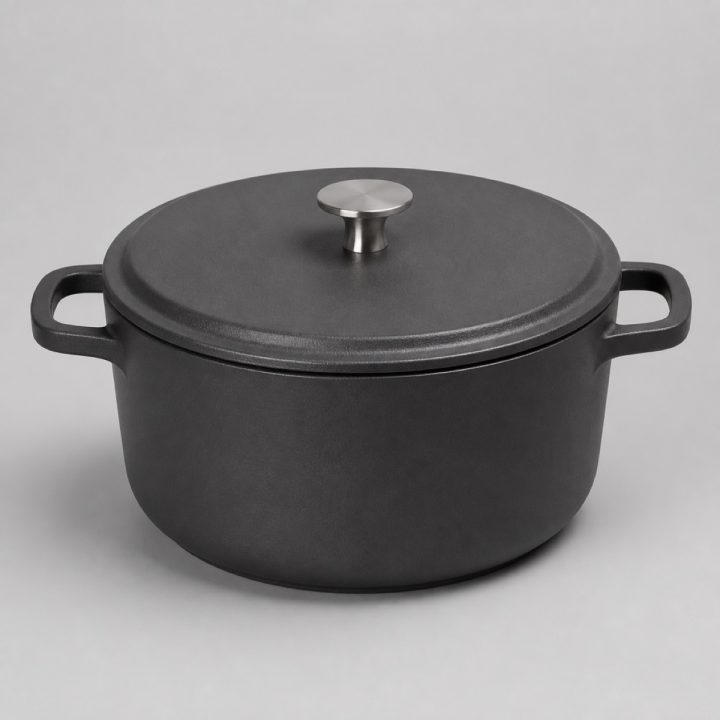
5.5 litres of enamelled cast iron for braises, stews and bread. No seasoning needed; the enamel…
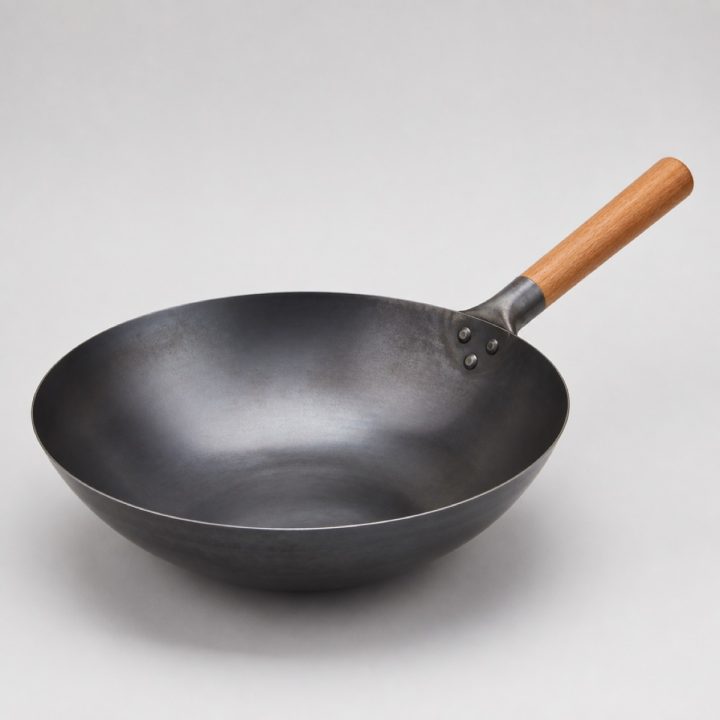
32 cm (12.5 in)
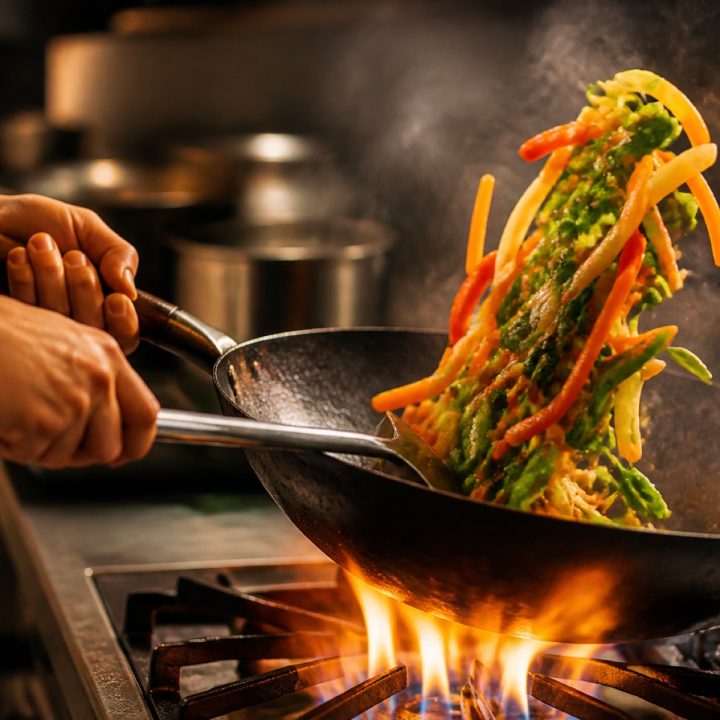
1.6 mm spun carbon steel with a flat base and a wooden handle. Arrives raw, season…
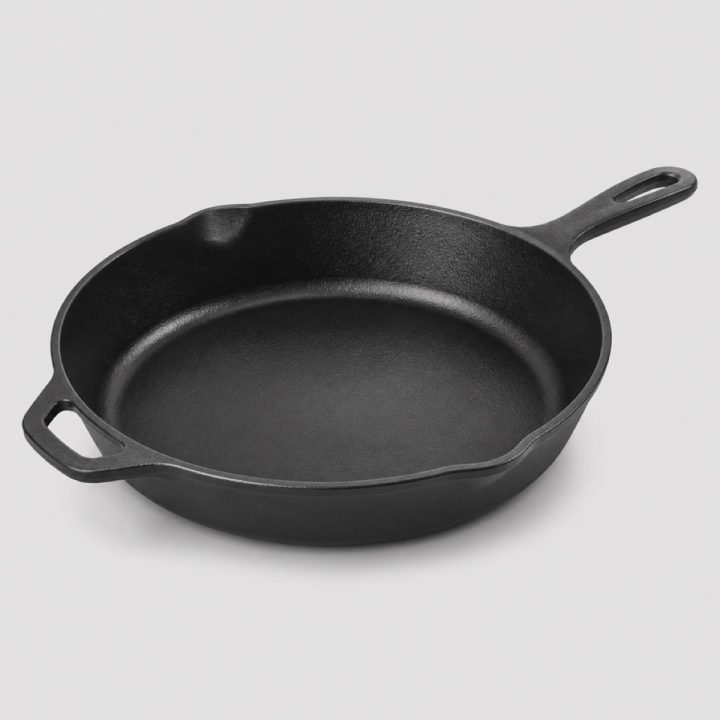
26 cm (10.25 in)
2.4 kg of bare cast iron, pre-seasoned. Holds heat like nothing else and will rust if…
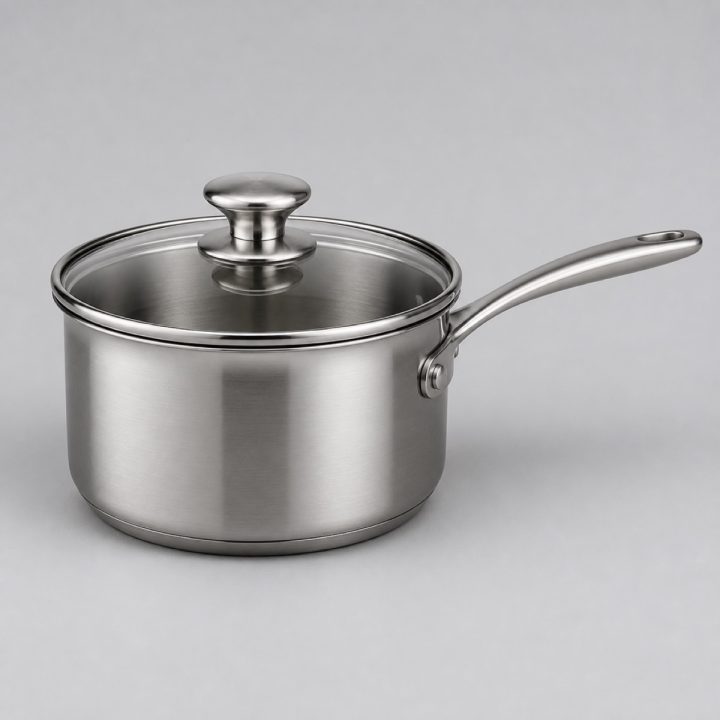
18 cm (7 in)
An 18 cm, 2 litre pan with a lid and a measuring scale inside. Tri-ply base,…
24 cm (9.5 in)
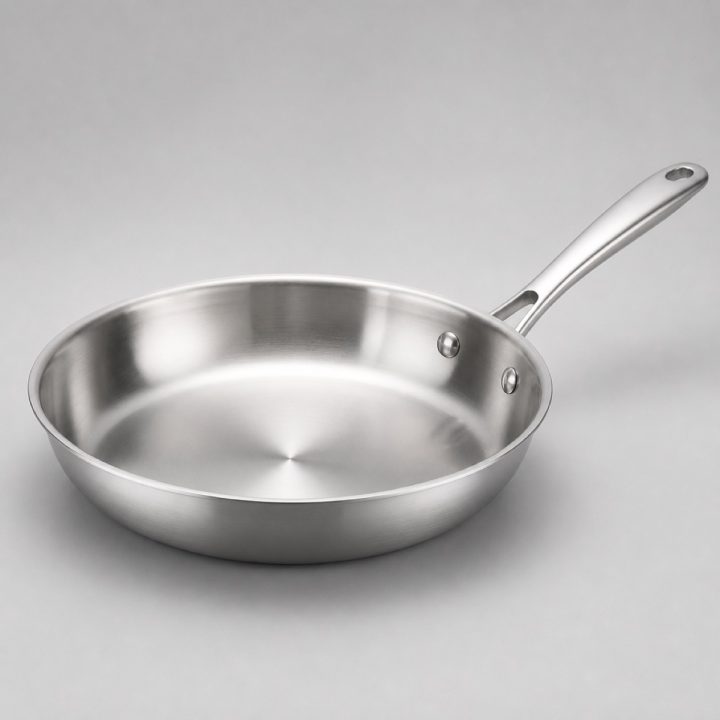
A 24 cm pan with a 2.6 mm aluminium-cored base, riveted stainless handle and no coating…
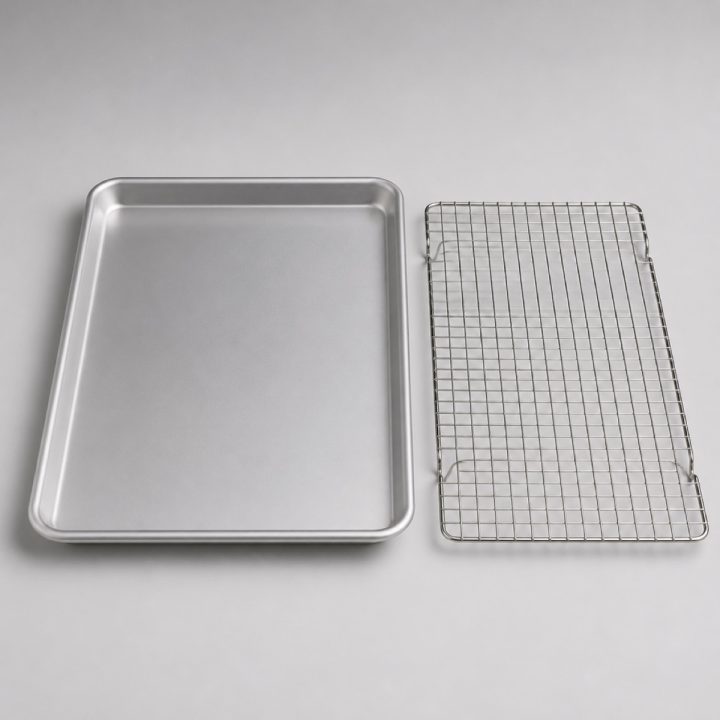
39 × 27 cm
1.0 mm aluminised steel with a rolled rim. Fits a standard 60 cm oven, does not…
8.0 L
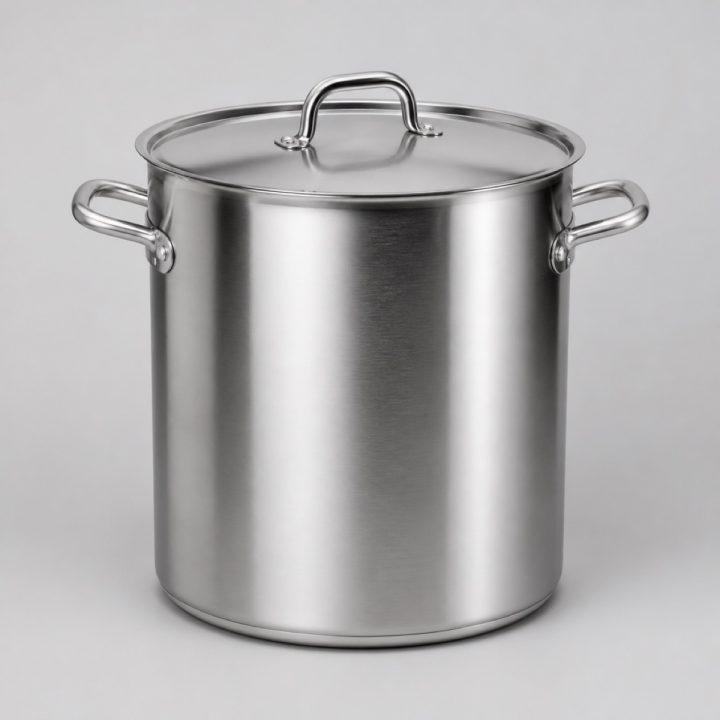
8 litres with a tri-ply base and two riveted stainless handles. For stock, pasta, preserving and…
Materials
No material wins everything. These are the trade-offs we would explain across a counter.
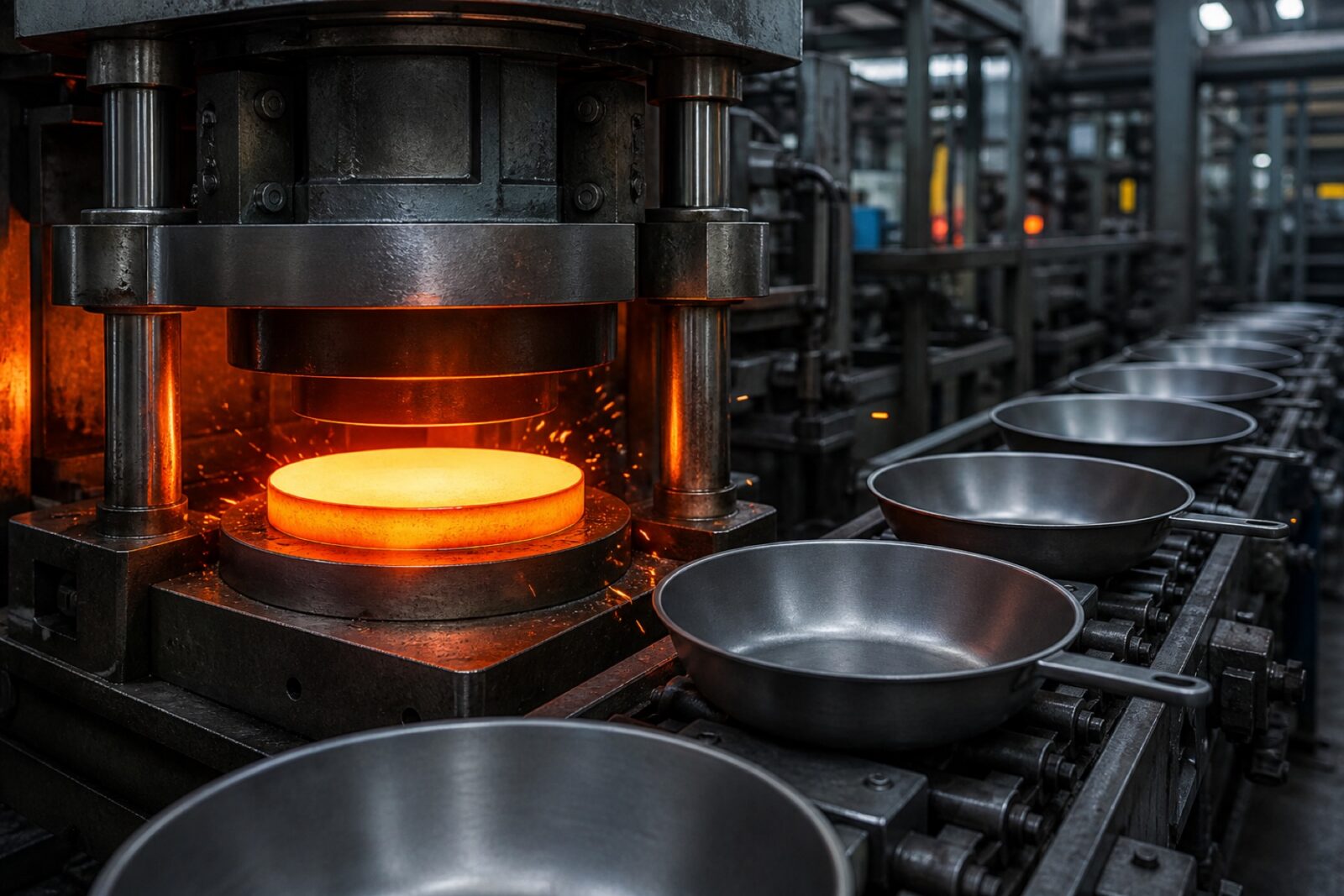
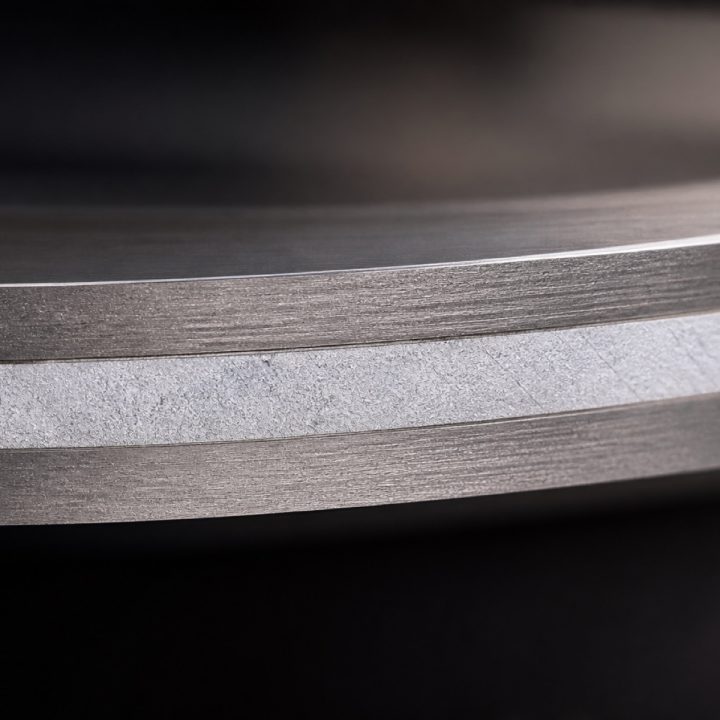
An aluminium core bonded between two layers of stainless steel, so the whole pan heats rather than just the spot over the burner. It will not rust, it takes acid and tomato without reacting, and it needs no seasoning. Food sticks to it more readily than to a non-stick pan. That is technique, not a fault.

Heavy, slow to heat and slow to let go of heat, which is what makes it good for searing and cornbread. Bare cast iron has to be seasoned and kept dry or it will rust. Enamelled cast iron skips the seasoning but the enamel chips if you knock it, and a chipped rim cannot be repaired.
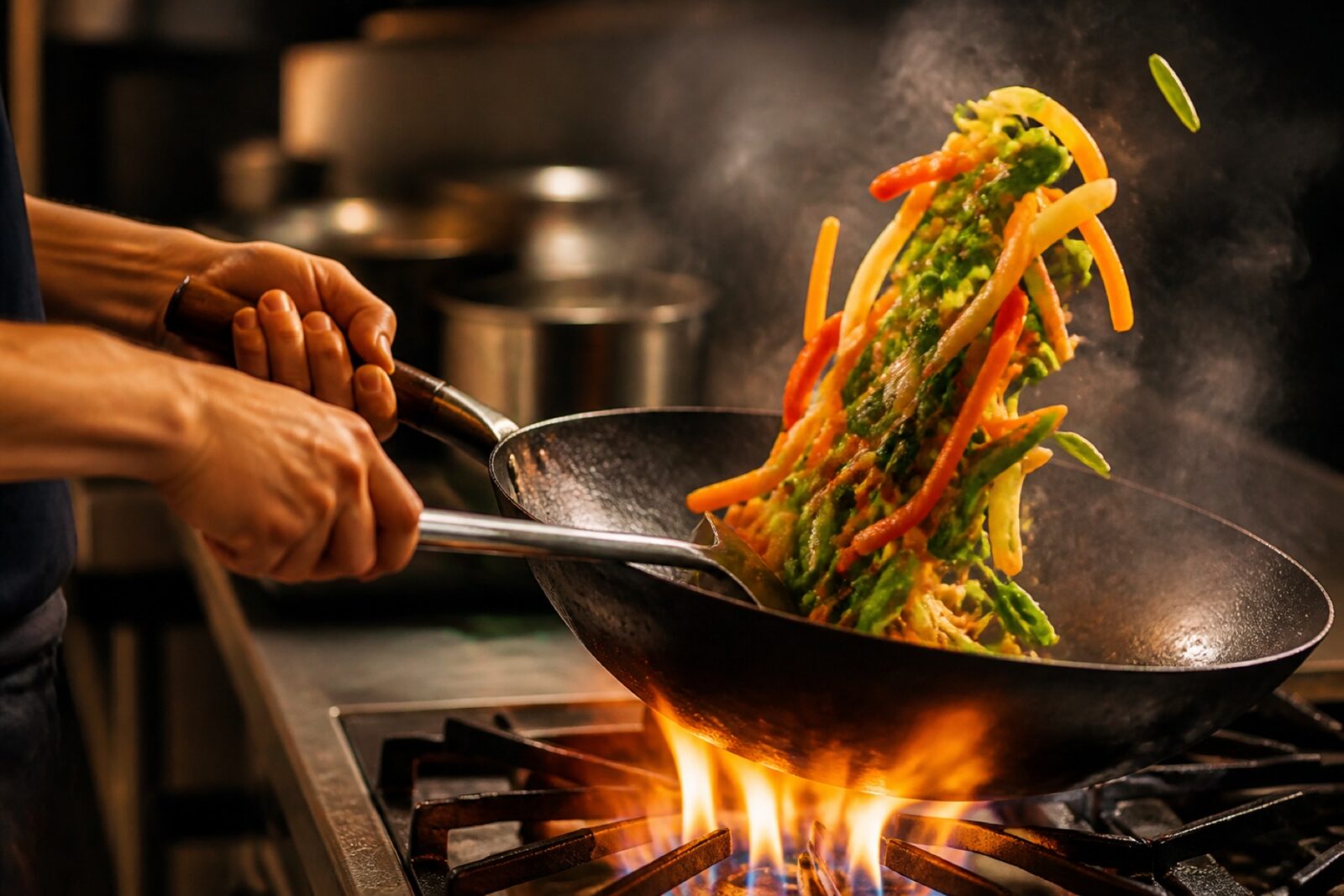
Lighter than cast iron and quicker to respond, which is why woks and restaurant pans are made from it. It arrives raw, it needs seasoning before first use, and it will rust if you leave it wet. In return it builds a slick surface that improves for years.
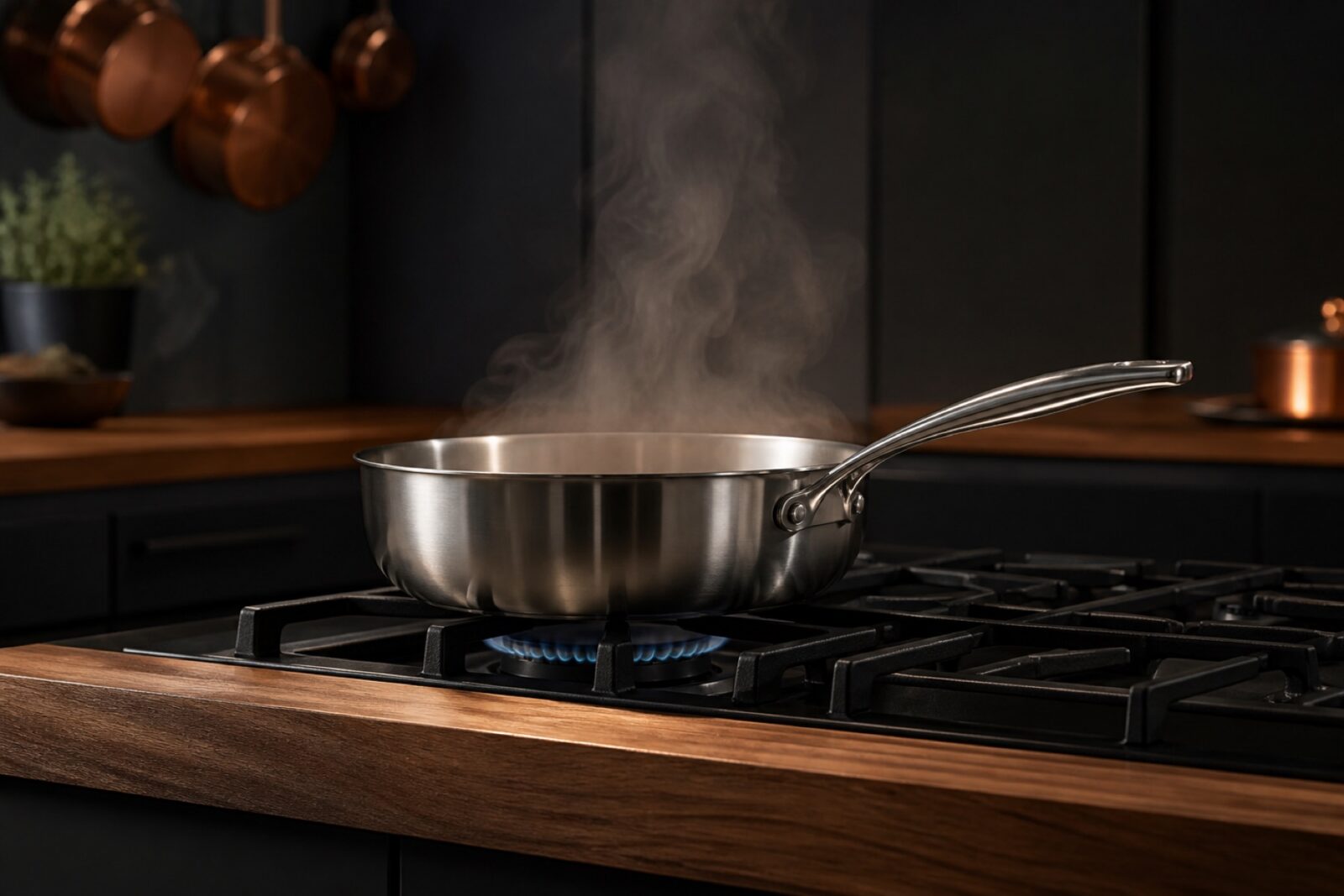
Riveted handles hold better than welded ones over a long life and can be re-tightened; the trade-off is two rivet heads inside the pan to clean around. Stainless handles go in the oven, silicone sleeves usually do not. Each product page states the oven limit for that specific piece.
How we buy
Base thickness in millimetres decides whether a pan scorches or holds a steady temperature, and it is the number most brands leave off the box. Every piece here lists it, along with the weight, because a 3 kg skillet is a different object to live with than a 1.2 kg one.
A 24 cm frying pan and a 2 litre saucepan do most of the work in most kitchens. We would rather stock those in one good specification than run fourteen sizes and have you guess which one matters.
Handles are riveted rather than welded or glued. Rivets can loosen over a decade of use and they can also be tightened, which is more than can be said for a handle that has snapped off a spot weld.
Carbon steel and bare cast iron need seasoning and will rust if left wet. Enamel chips. Stainless sticks until you learn to preheat it. None of that is hidden in the small print here. It is on the product page, above the add-to-cart button.
Everyday care
Two to three minutes on medium before anything goes in. Most sticking in stainless is a cold pan, not a bad pan.
Add fat once the pan is hot, then the food. Oil poured into a cold pan sits and polymerises into a sticky film.
Water or stock into the warm pan lifts the fond in seconds. It is faster than scrubbing and it saves the flavour.
Towel dry cast iron and carbon steel straight away, then a thin wipe of oil. Wet storage is what rusts them.
Journal
Sticking in stainless is almost always a temperature problem. The preheat, the water test, and why you should stop poking the food.
The single number that predicts whether a pan will scorch, warp or hold temperature, and the reason most brands leave it off the box.
Three materials, three different sets of trade-offs. What each one is genuinely better at, and what it costs you in maintenance.
Occasional post
Back-in-stock notes, new sizes, and the care articles as they go up. Roughly once a month, never more. Unsubscribe in one click.