 27 July 2026
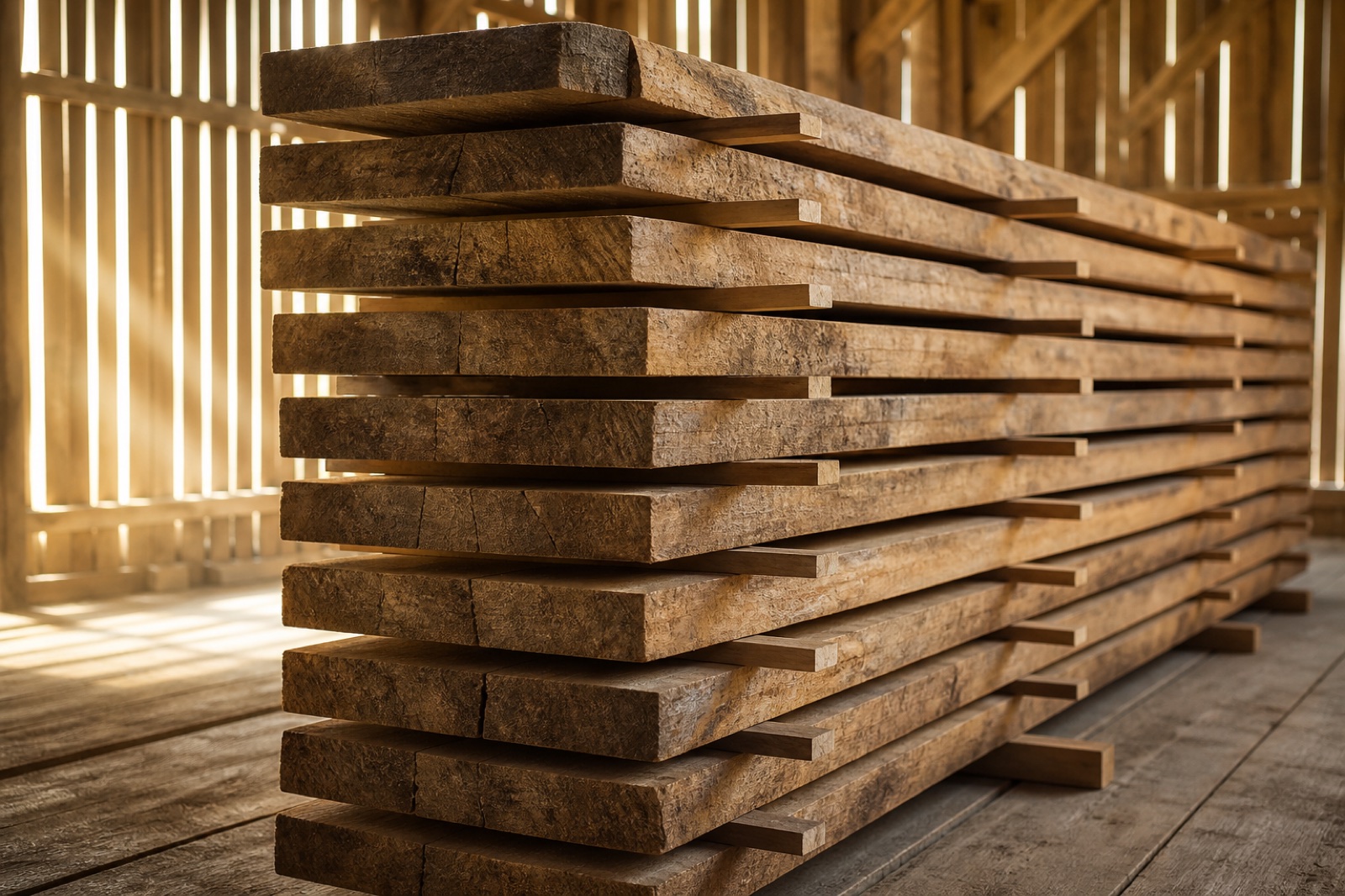
Why tables crack in January
Central heating, a 20% swing in relative humidity, and a top that was screwed down solid by somebody who should have known better.
27 July 2026
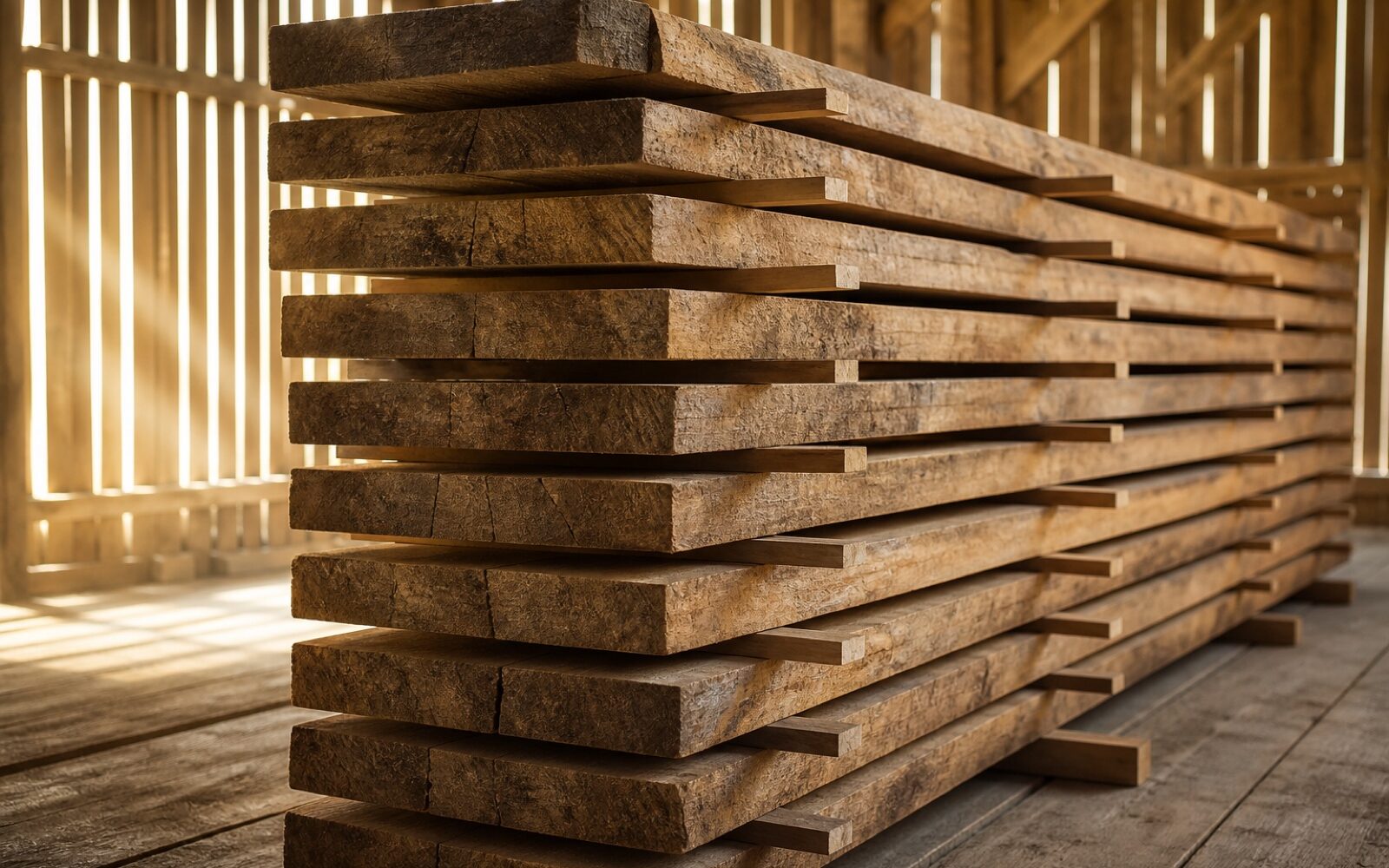
Why tables crack in January
Central heating, a 20% swing in relative humidity, and a top that was screwed down solid by somebody who should have known better.
Every piece is made to order at one bench. Nothing is stocked, nothing is veneered, and nothing leaves the shed above 8% moisture content.
-
Made at one bench
Two people and a drying shed. No production line, no bought-in parts.
-
Ten-year guarantee
Structural cover on every joint we cut, transferable with the piece.
-
Delivered and placed
Our own crew within 300 miles, insured freight beyond it.
-
Repairable for life
An oil finish you mend with a cloth, not a stripping tank.

Why solid
A veneered panel has one good year in it. A solid board has eighty.
Almost everything sold as wooden furniture is a thin skin of timber over particleboard. It photographs identically to the real thing and it behaves nothing like it: you cannot plane out a scratch, you cannot re-oil it, and once the edge chips there is no repair, only replacement.
Everything on this site is solid hardwood right through. That imposes limits, and those limits are what the joinery is for. Panels float. Tops are buttoned. Wide doors are broken into narrow battens. None of it is decoration.
Selected
On the bench this season
Eight pieces that show the range: the tables we are known for, the cases that took longest to get right.
-
 Sale
Halden Extendable Dining Table
White Oak
$2,980
Sale
Halden Extendable Dining Table
White Oak
$2,980
-
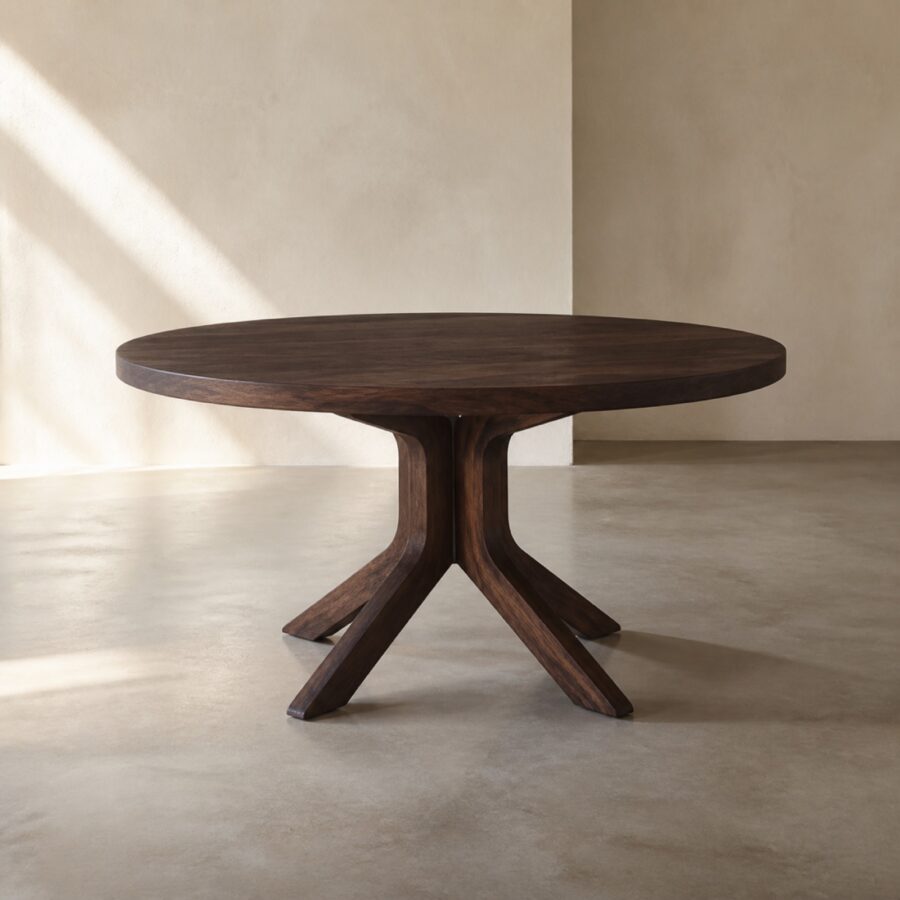 Fenwick Round Dining Table
Black Walnut
$3,260
Fenwick Round Dining Table
Black Walnut
$3,260
-
 Ashgrove Dining Chair
White Ash
$640
Ashgrove Dining Chair
White Ash
$640
-
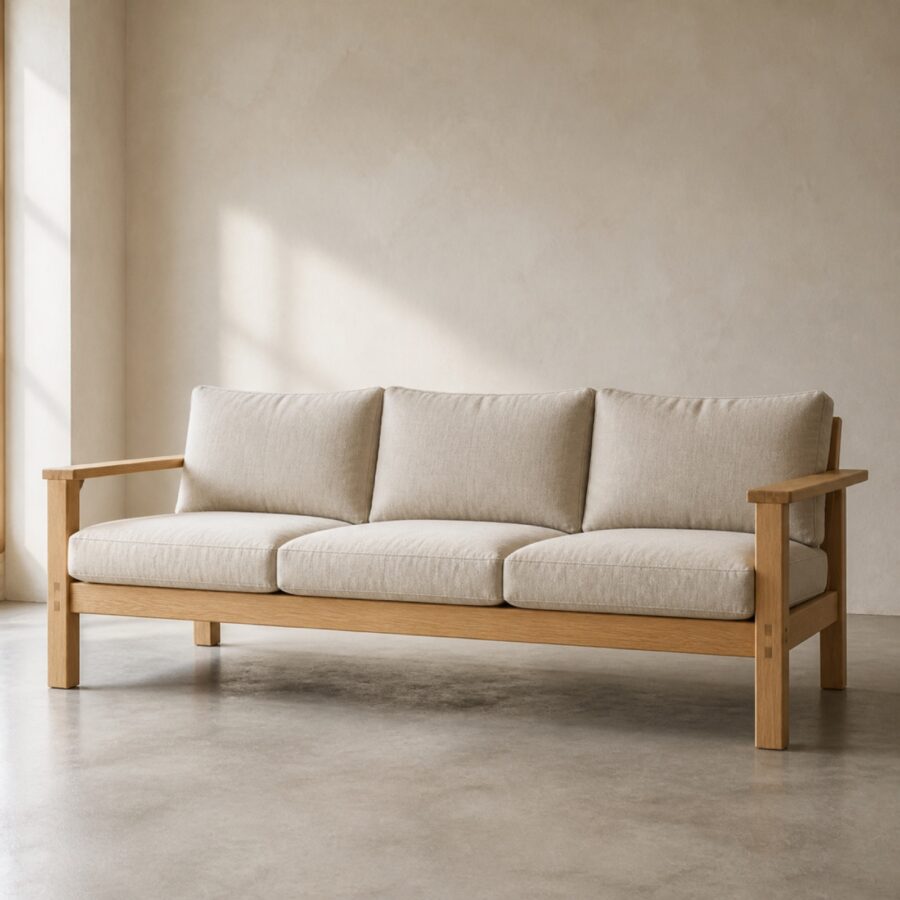 Brackenmoor Three-Seat Sofa
White Oak
$4,180
Brackenmoor Three-Seat Sofa
White Oak
$4,180
-
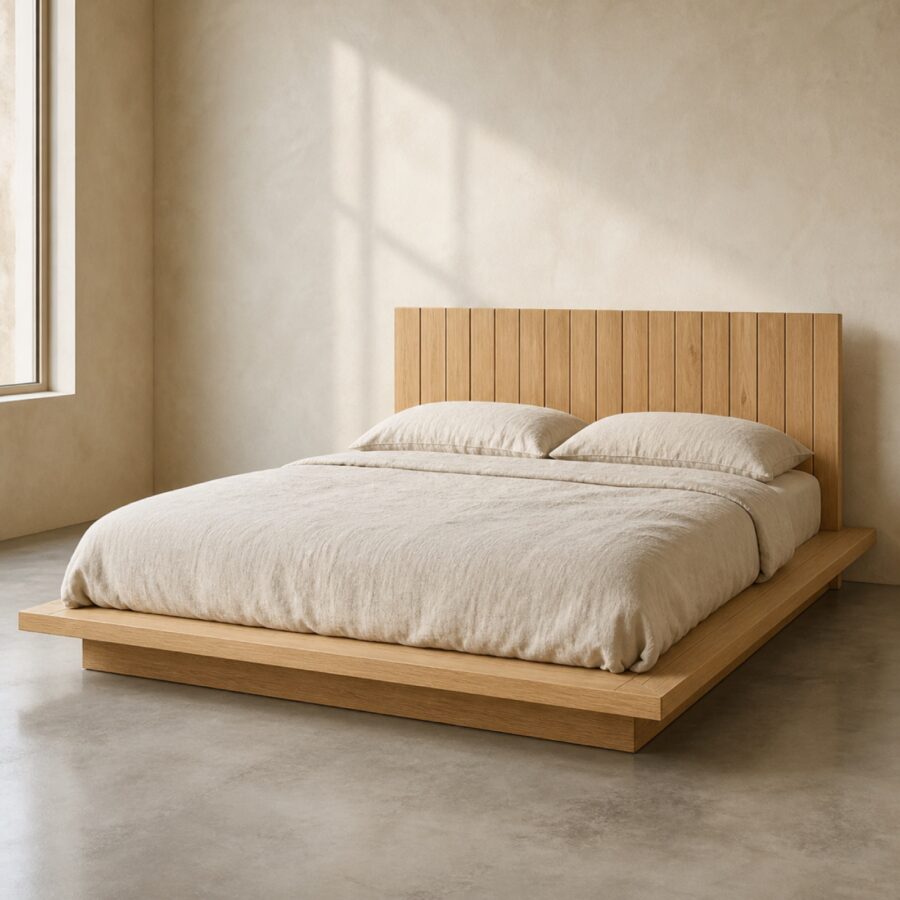 Thornbury Platform Bed
White Oak
$3,120
Thornbury Platform Bed
White Oak
$3,120
-
 Sale
Wren Two-Drawer Nightstand
Black Walnut
$980
Sale
Wren Two-Drawer Nightstand
Black Walnut
$980
-
 Cobbet Two-Door Wardrobe
White Oak
$5,240
Cobbet Two-Door Wardrobe
White Oak
$5,240
-
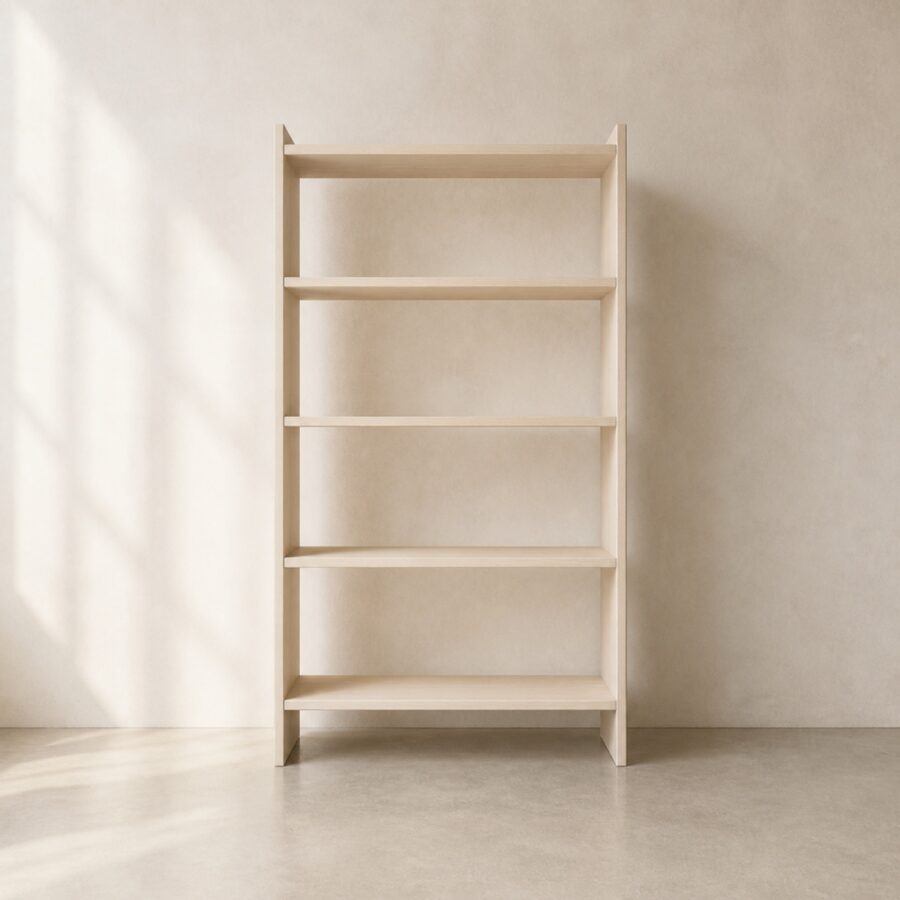 Quill Open Bookcase
White Ash
$1,980
Quill Open Bookcase
White Ash
$1,980
The four timbers
Everything we build comes out of one of these four
The same figures we use at the bench when we choose a board. Switch the scale to see where each timber wins.
White Oak
1360 lbf
Black Walnut
1010 lbf
Black Cherry
950 lbf
White Ash
1320 lbf
Janka side hardness — the load needed to press a steel ball half its diameter into the face. Higher resists denting better.
Hardness and density are published averages for kiln-dried stock; movement figures are green-to-oven-dry. Your board will vary.
- White Oak Our workhorse. Closed tyloses make it the one white oak that will hold water, which is also why it takes an oil finish so evenly.
- Black Walnut The most dimensionally settled of the four. It moves least across the grain, so we reserve it for wide single-slab doors.
- Black Cherry Move a bowl off a new cherry table for a fortnight and you will leave a pale ghost behind. It evens out. Be patient.
- White Ash Springy and tough enough to steam-bend, which is why every curved crest rail in the range is ash.
The range
Eleven kinds of thing
From a dining table down to a wool rug, all of it built or sourced to sit in the same room together.
- Dining Tables2 productsTrestles, pedestals and extending tops in four timbers.
- Dining Chairs2 productsSteam-bent crests, woven seats and saddled solid seats.
- Sofas & Seating2 productsExposed hardwood frames under washed linen and tanned leather.
- Bed Frames2 productsLow platforms and panelled headboards, draw-bored to travel.
- Nightstands2 productsSmall cases with hand-cut drawers and carved pulls.
- Wardrobes2 productsFull-height cases with floating panel doors that breathe.
- Bookcases & Shelving2 productsOpen shelving sized for real books, not for display.
- Coffee & Side Tables2 productsThrough-tenoned low tables and three-legged occasionals.
- Sideboards & Buffets2 productsLong low storage for the wall behind the table.
- Lighting1 productTurned shades in pale ash with unlacquered brass.
- Rugs & Textiles1 productUndyed wool and washed linen to soften a hard floor.
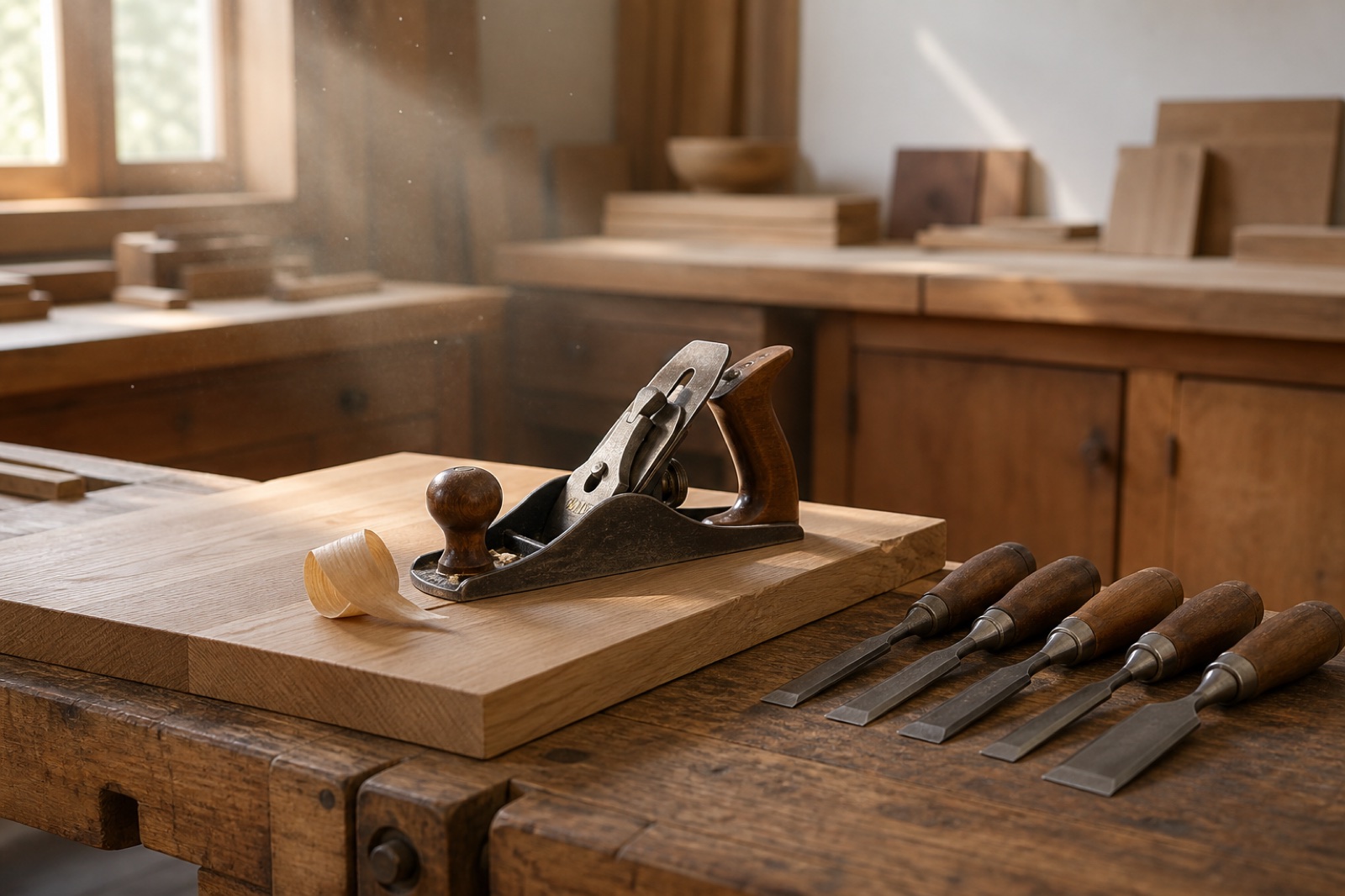
The bench
One shed, four hands, no production line.
We are two people and a drying shed. That is the whole operation, and it is why the lead times on this site are long and honest.
Everything is levelled by machine and finished by hand — the last pass on any surface is a plane, not a sander. Boards air-dry stickered for two years before they see the kiln, and the kiln only takes them the last four points.
How it works
From a tape measure to a delivered piece
Four stages, and you hear from us at every one of them.
-
Tell us the room
Send the alcove width, the ceiling height and a photograph. If a stock size is 80 mm out, say so.
-
We quote and schedule
A fixed price, a real lead time and the boards we intend to use, in writing before anything is cut.
-
It is built and photographed
You see the piece finished on the bench before it is wrapped, and you can still change your mind.
-
Delivered and placed
Carried in, levelled in position and the packaging taken away again. No kerbside drops.
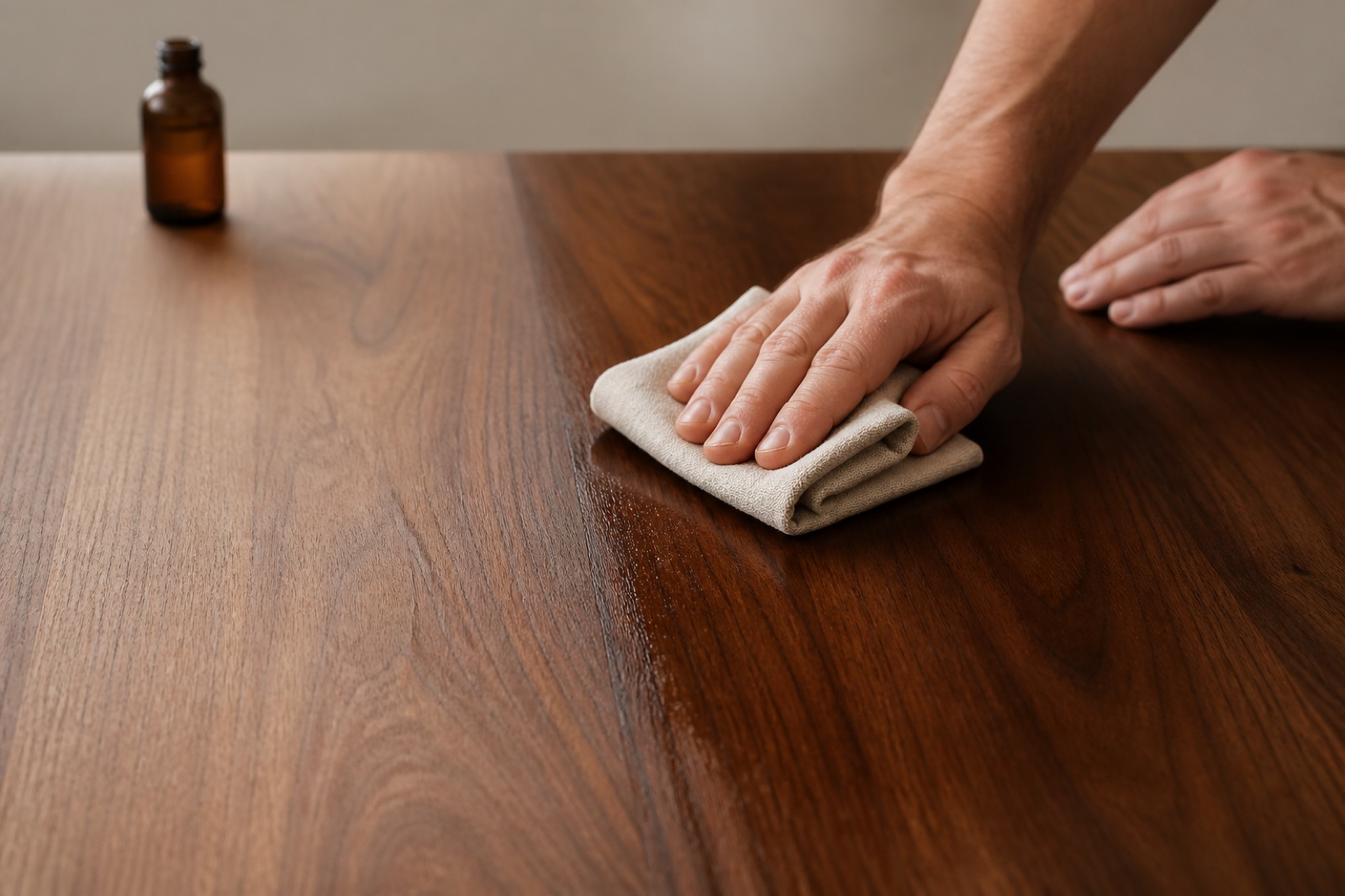
Living with it
The finish is meant to be mended, not protected.
A hardwax oil sits in the wood rather than on it, so a scratch is a local problem with a local answer: clean it, re-oil it, and by the next morning you will struggle to find it.
Re-oil high-traffic surfaces once in the first six months, then about once a year. That is the whole maintenance schedule.
In their rooms
What people say once it is in the house
-
They talked me out of the size I asked for and into the one that actually fits. Four years on it has not moved a millimetre.
Marianne Holt Halden table — Kirkby -
A hot pan left a ring on the cherry. They posted a card of oil and a cloth and told me which way to rub. It is gone.
Peter Ansell Fenwick table — Two Rivers -
Eleven weeks was eleven weeks. Two of them carried it up a spiral staircase and did not scratch the wall.
Dela Osei Elmsworth armoire — Marren
Journal
Notes from the shed
Longer answers to the three questions we get asked most.
27 July 2026
Why tables crack in January
Central heating, a 20% swing in relative humidity, and a top that was screwed down solid by somebody who should have known better.
 1 July 2026
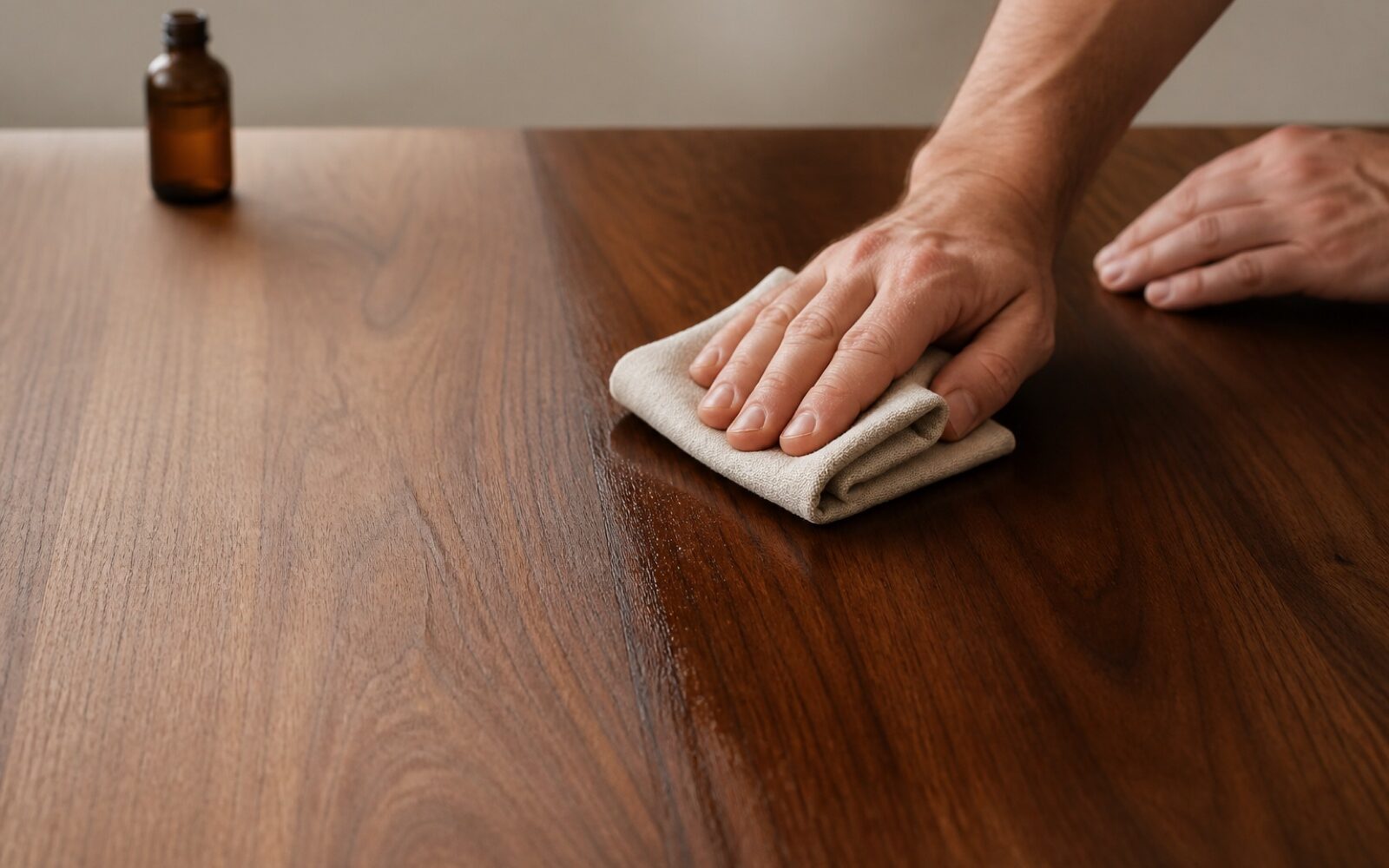
An oil finish is a habit, not a coating
Why we finish in hardwax oil rather than lacquer, and the ten minutes a year it asks of you in return.
1 July 2026
An oil finish is a habit, not a coating
Why we finish in hardwax oil rather than lacquer, and the ten minutes a year it asks of you in return.
 5 June 2026
Choosing between the four timbers
Hardness, figure, price and the ten-year colour shift — which of the four actually matters for the piece you are buying.
5 June 2026
Choosing between the four timbers
Hardness, figure, price and the ten-year colour shift — which of the four actually matters for the piece you are buying.
Come and see it
Bring a drawing. We will tell you what the wood will let you do.
Most of what we build starts as somebody standing in the shed with a phone photograph and a tape measure. If a stock size is 80 mm out for your alcove, say so — changing a length is a different job from changing a design, and only one of them costs extra.
+1 555 240 1180 bench@example.com
Bench open to visitors Thursday to Saturday, 10:00 – 16:00. Please write ahead.