01
The hole is deliberately misaligned
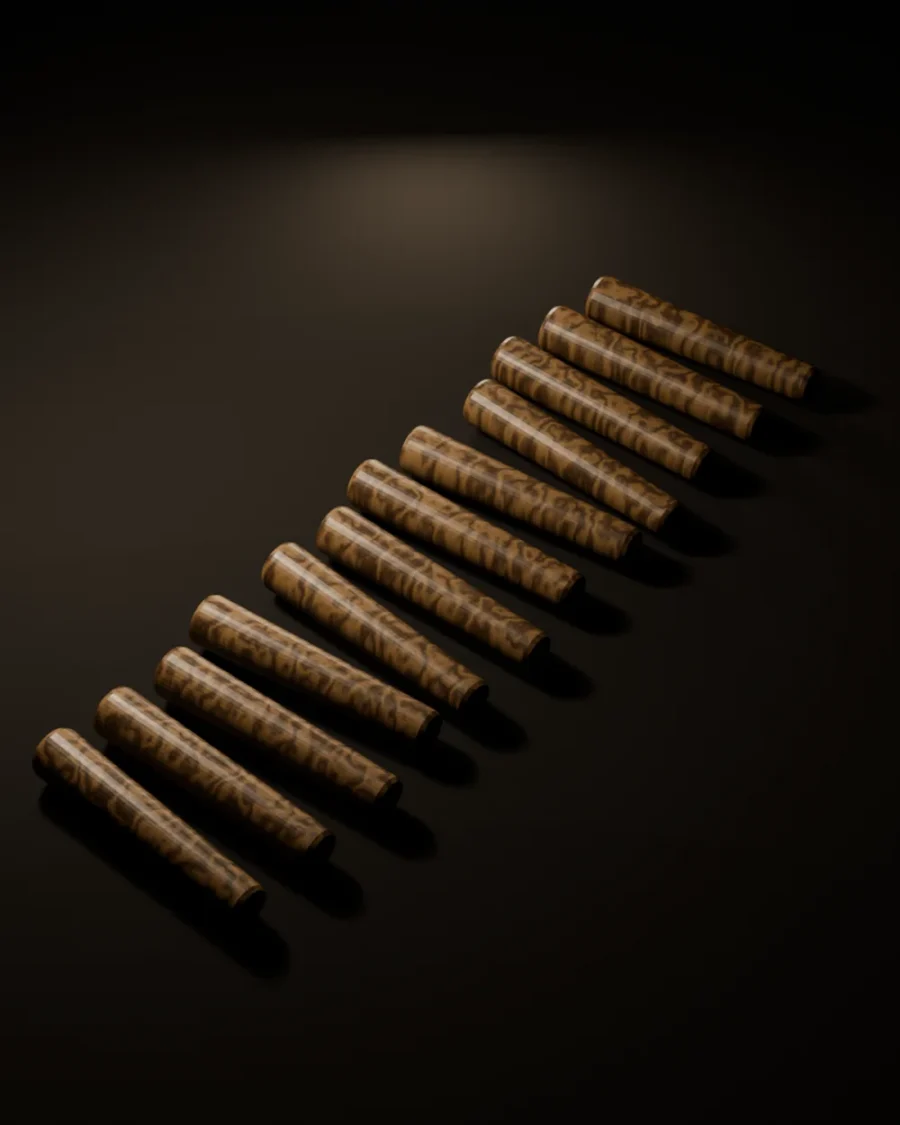
The bore through the tenon sits 2 mm closer to the shoulder than the bore through the post. Driving a tapered peg through both forces them into line, and the only way they can line up is if the shoulder closes.
Drawbore — Hudson, New York
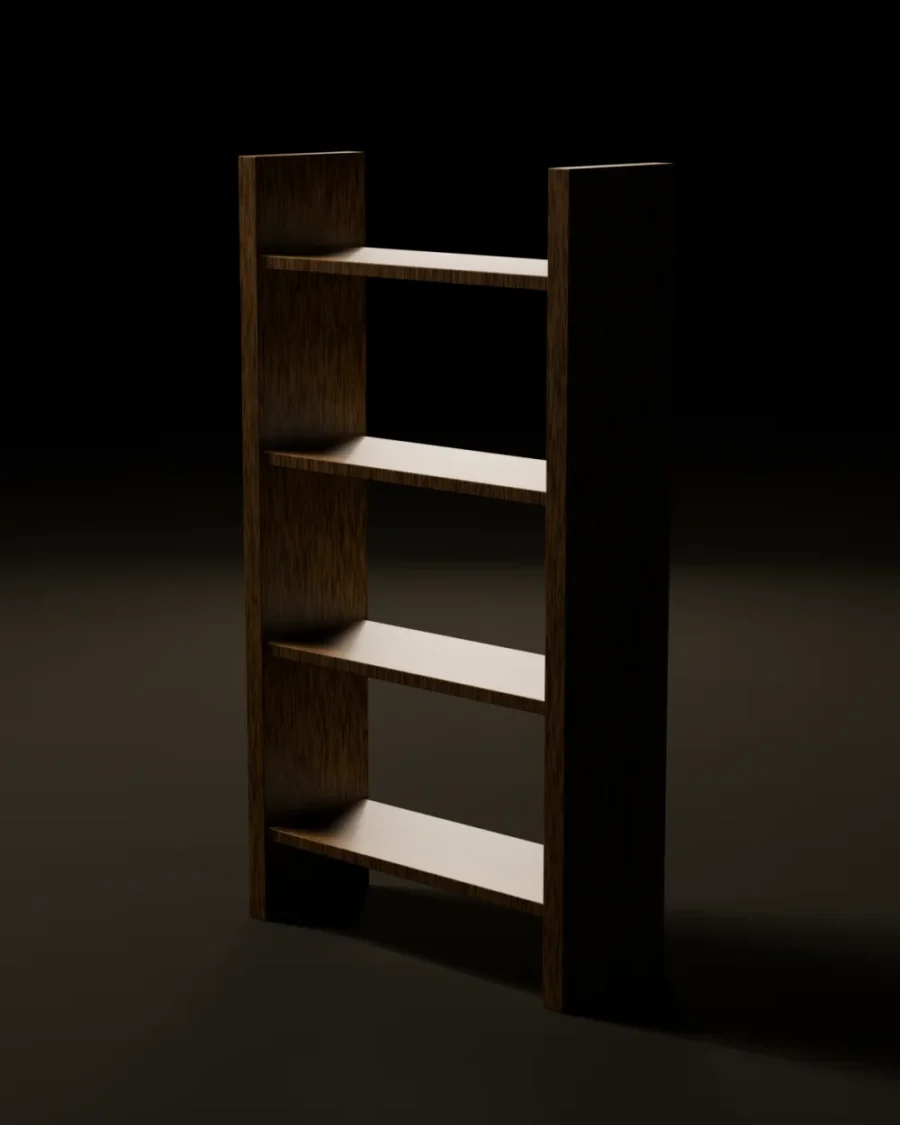
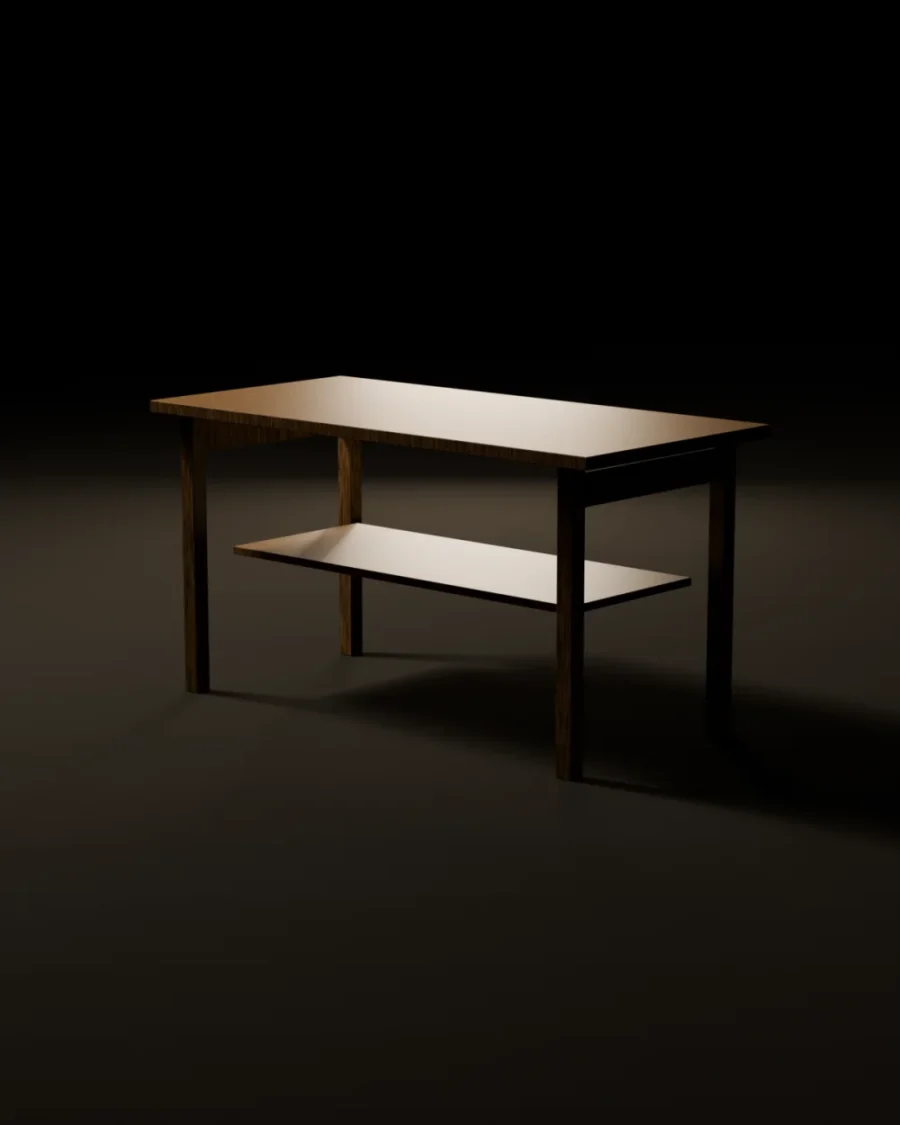
White oak furniture that ships flat and goes together with one tapered peg. No screws. No cam locks. No hex key in a plastic bag.
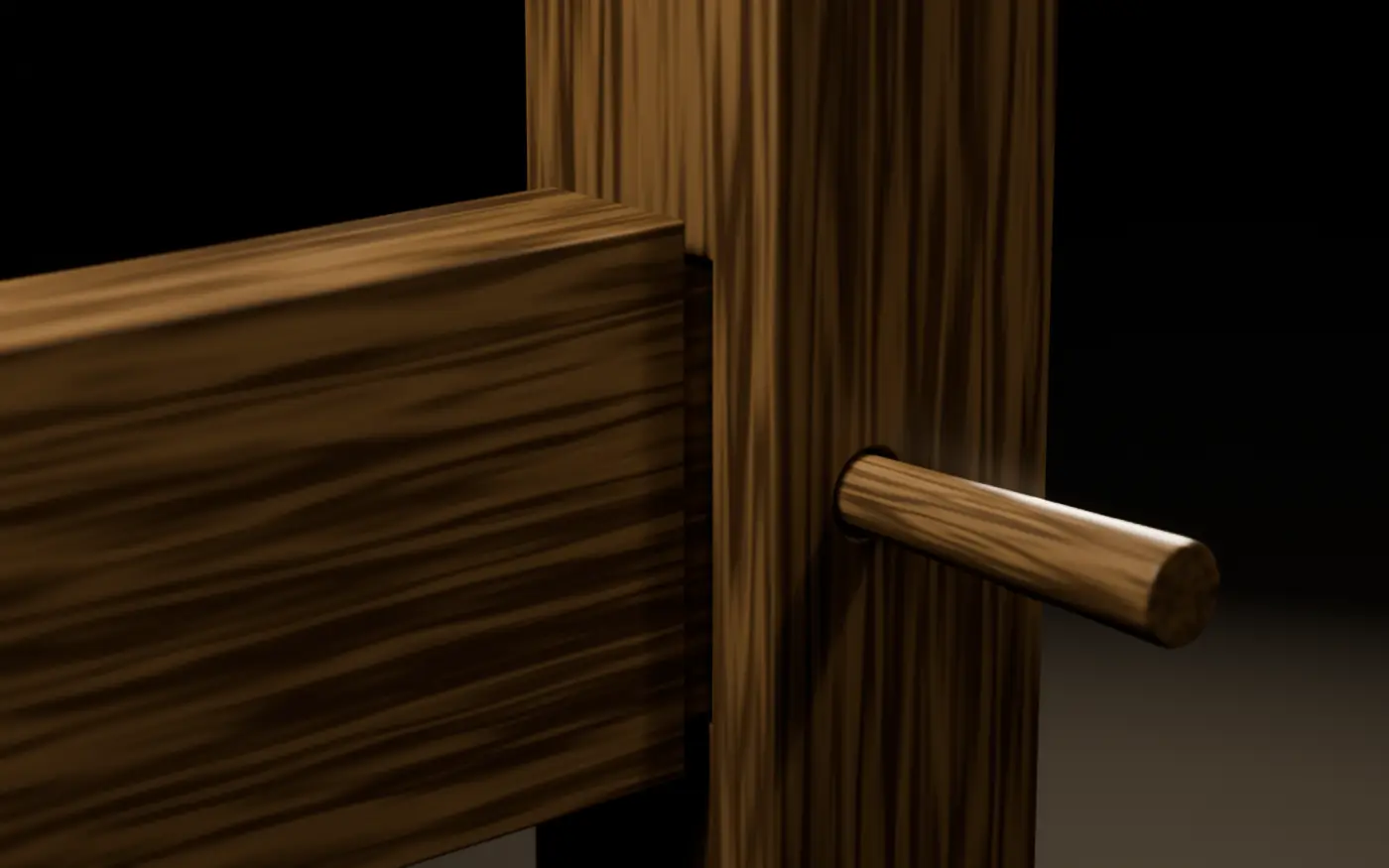
Scroll to drive the peg
Why a peg
01
The bore through the tenon sits 2 mm closer to the shoulder than the bore through the post. Driving a tapered peg through both forces them into line, and the only way they can line up is if the shoulder closes.
02
A screw in a hardwood rail works loose every winter when the room dries out. An oak peg shrinks and swells with the timber around it, so the joint stays as tight in February as it was in July.
03
Tap the peg out from the other side and the piece is flat again in minutes — for a move, a repair, or a new room. Spare pegs cost less than a coffee.
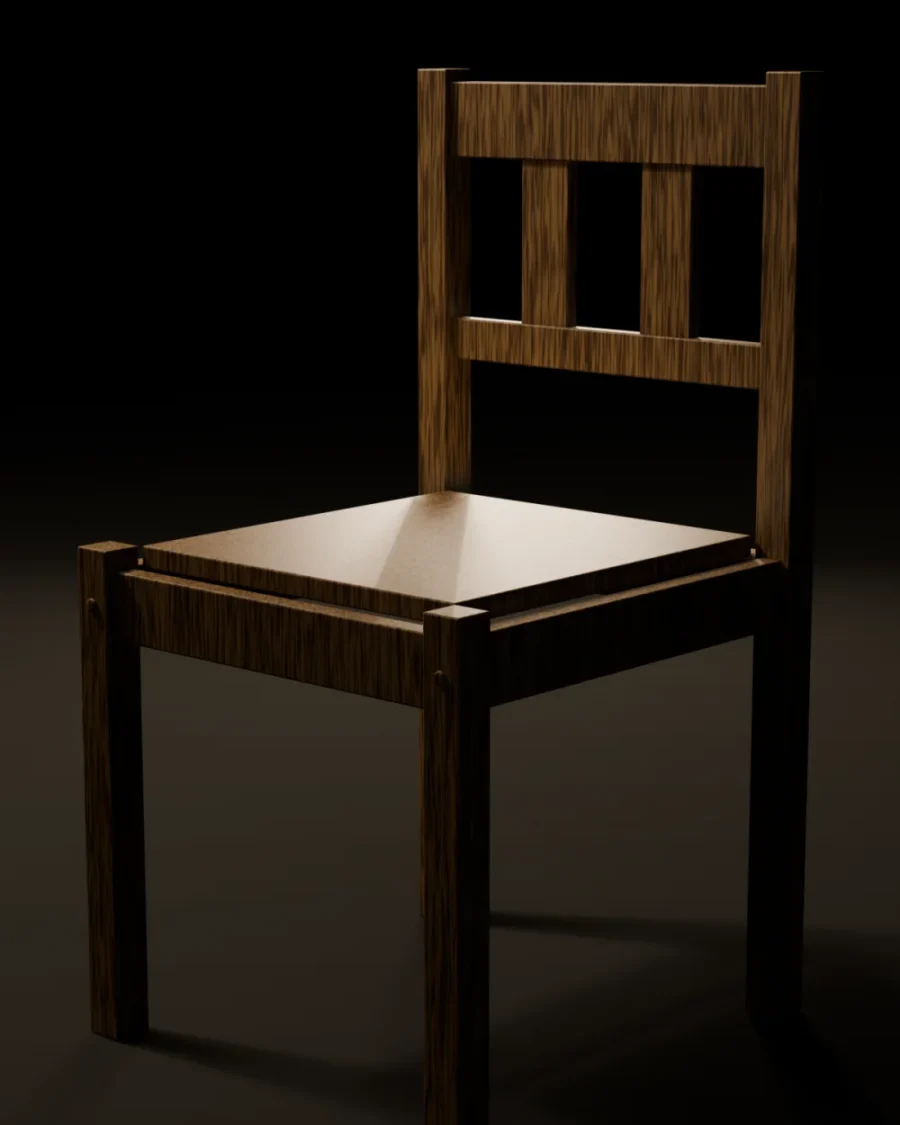
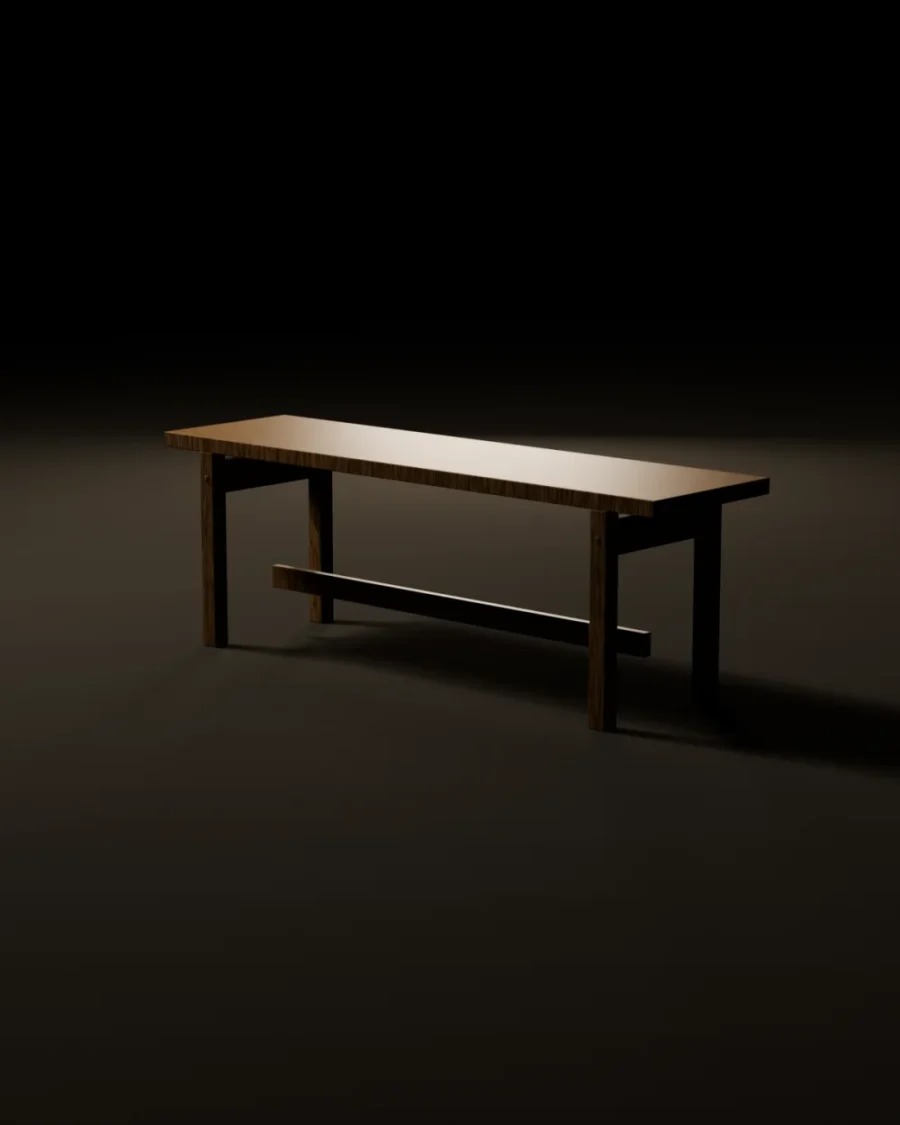
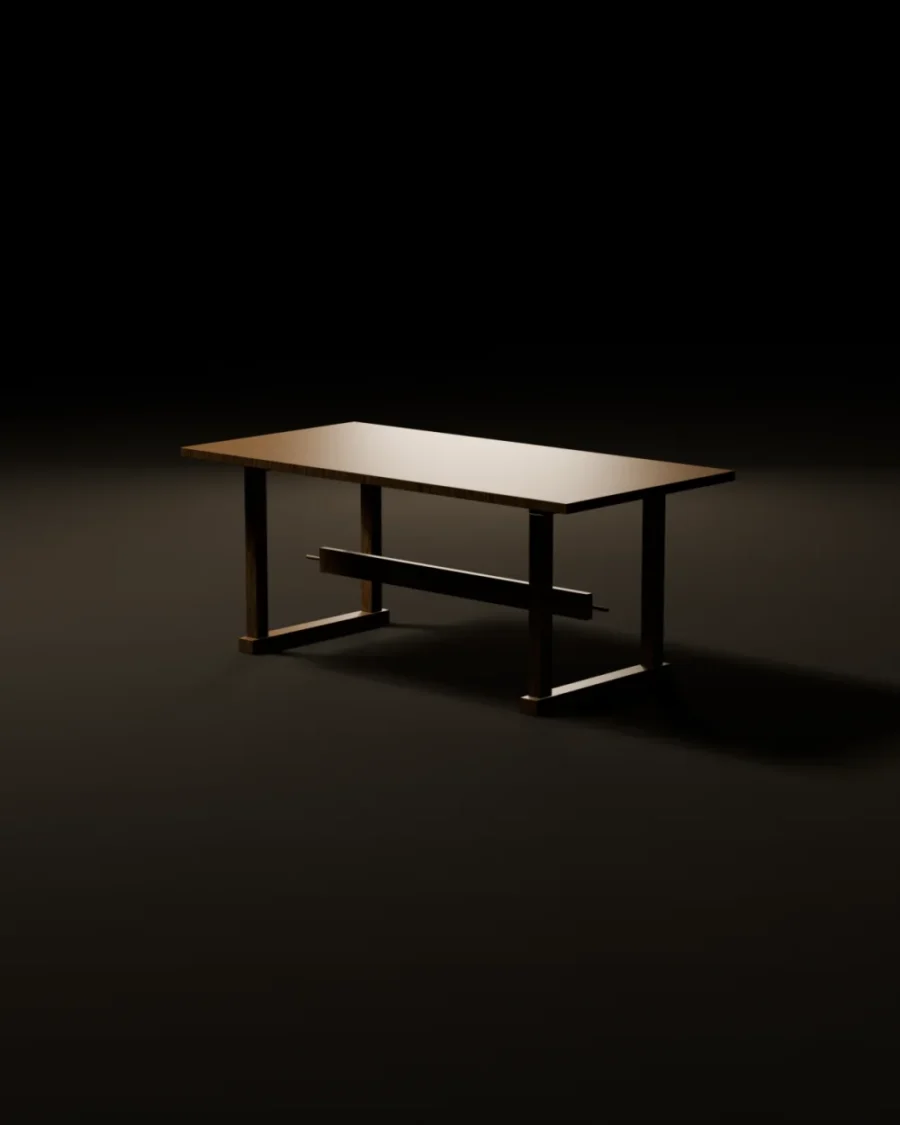
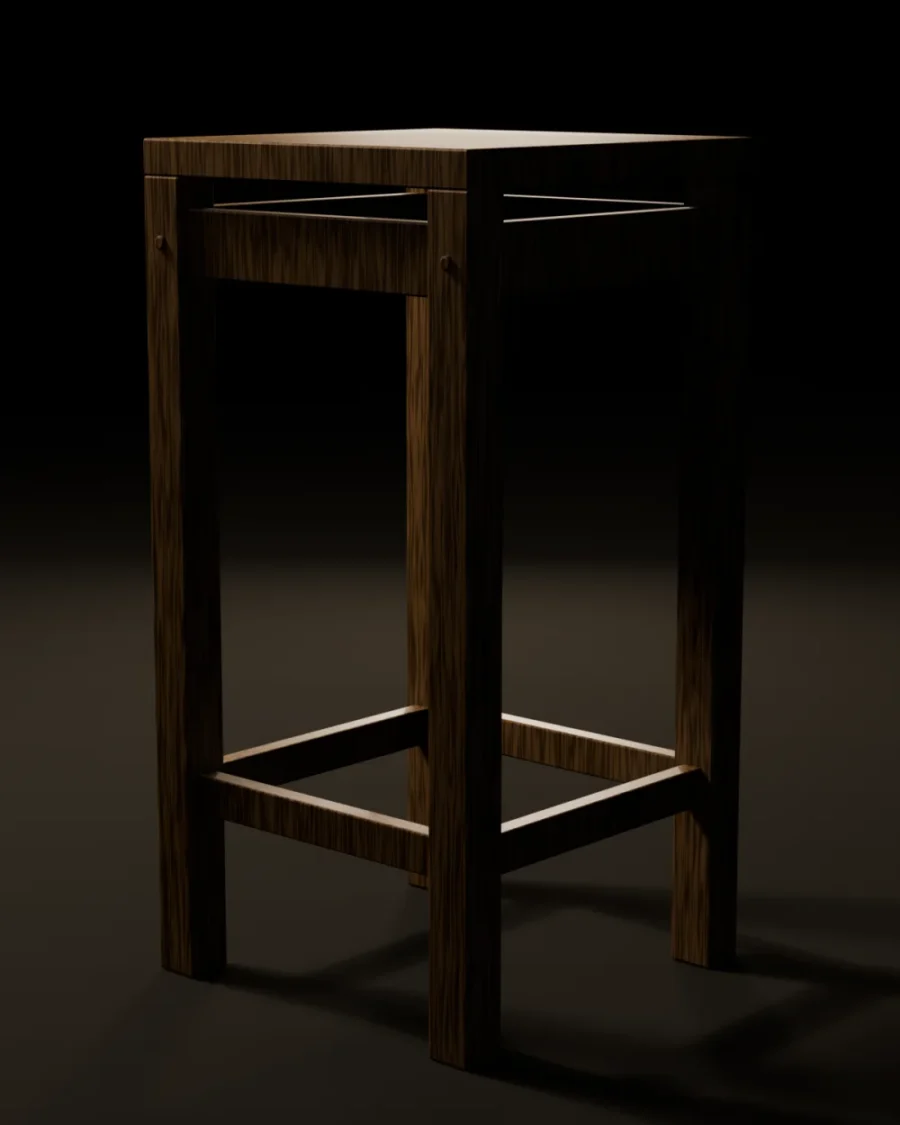
The collection
Keep scrolling →
Assembly
Step 01
Parts are stamped on the underside. Set the two ends on the floor and bring the long rails to them. Nothing is fixed yet; everything still moves.
Step 02
Push the tenon into its mortise until it stops. It will stop about 4.5 mm short of the shoulder — that gap is the draw, and it is supposed to be there.
Step 03
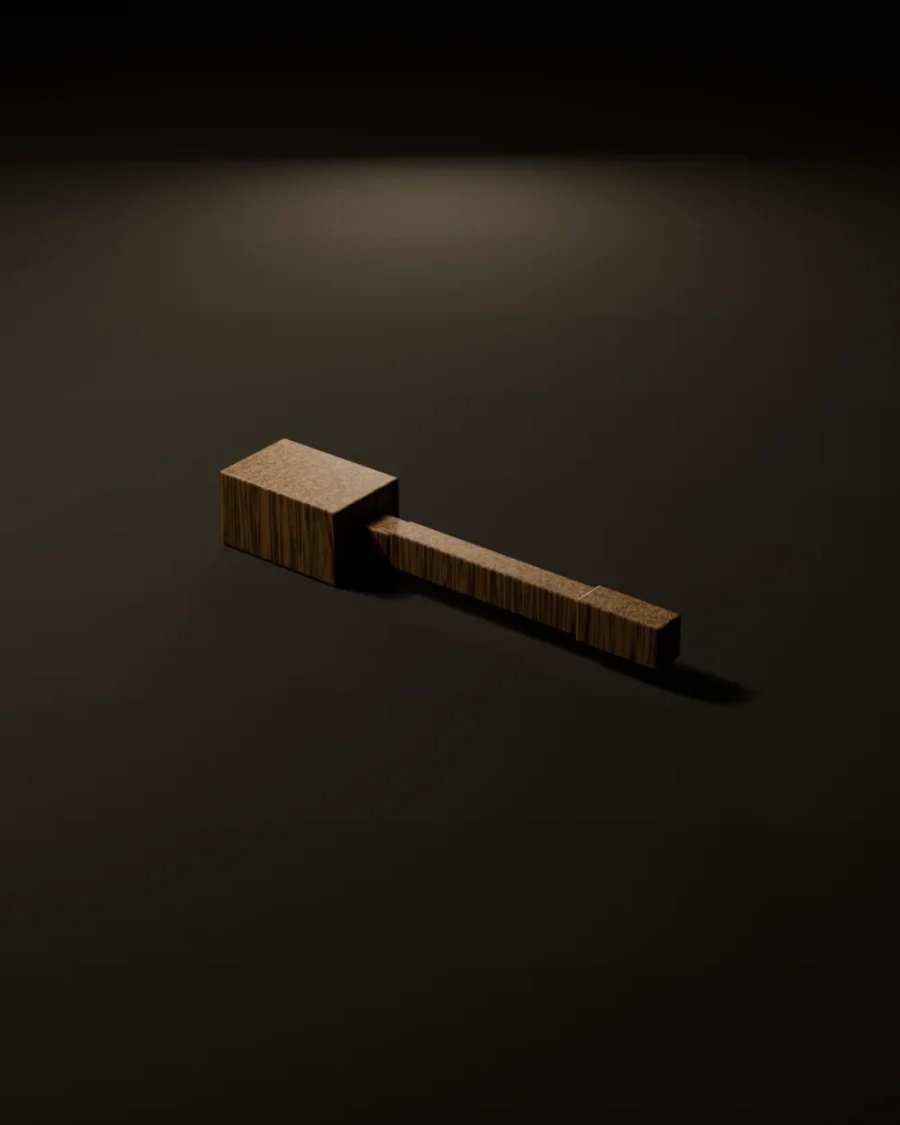
Start the peg by hand, then eight or so taps with the mallet in the box. The shoulder closes as the peg goes home. When the peg is flush, the joint is finished — there is nothing to tighten later.
The timber
Drawboring only works if the wood holds the peg. We buy quartersawn white oak because it moves least across its width and because the medullary rays make a peg hole grip rather than crumble. Boards sit in the rack until they read the same moisture twice, a month apart.
The joint, in numbers
| Joint | Drawbored mortise & tenon |
|---|---|
| Draw offset | 2.0 mm |
| Shoulder gap before pegging | 4.5 mm |
| Peg | Riven white oak, tapered, 12 mm |
| Metal fasteners | None |
| Finish | Hardwax oil, two coats |
| Included | Mallet, four spare pegs, one printed sheet |
From the bench
“I have built three flat-pack desks and thrown two away. This one took eleven minutes and it does not rock.”
No.6 Desk — verified buyer
“The gap worried me until I read the sheet. Then the peg went in and it just closed. Genuinely satisfying.”
No.1 Side Chair — verified buyer
“Moved flats in March. Tapped six pegs out, carried it down in one trip, tapped them back in.”
No.5 Shelf — verified buyer