Boring Water Is Good Water: Habits That Keep a Loop in Spec
Trend discipline, moving water and evidence-based sanitisation for water loops.
Process machines built in Crestfield
Most of our engineering hours go into how a machine comes apart, not how fast it runs. Operators usually notice somewhere around the third product change of the first month.
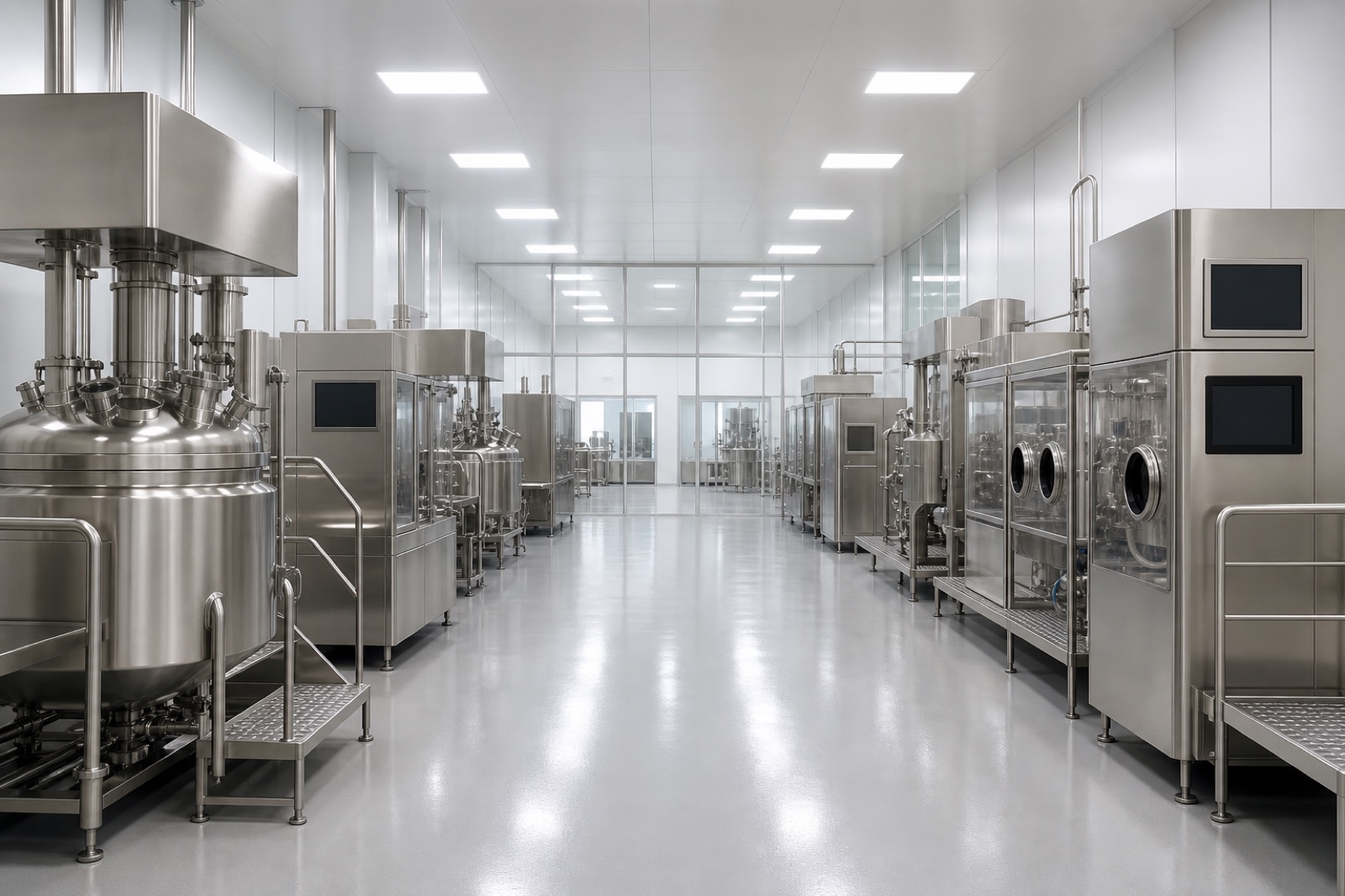
Tell us the dosage form, the batch size and the room. The specification follows those three, not a catalogue ideal.
Contact parts lift out by hand, and every one of them arrives with its material certificate.
Send photos, talk to the engineer who knows the machine, and the part leaves the same working day when stock allows.
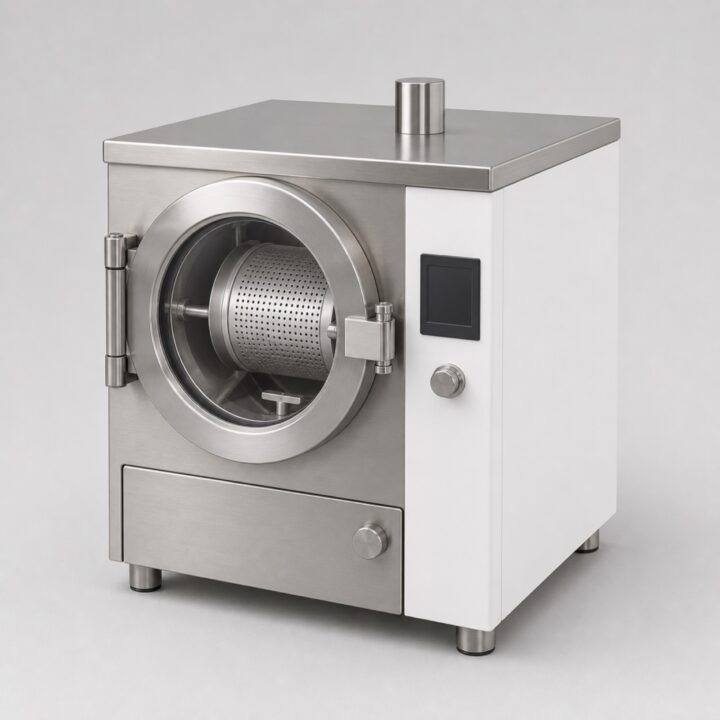
Our lab units run the same control loops as the production machines, so a coating recipe scales without starting over.
Ordered most
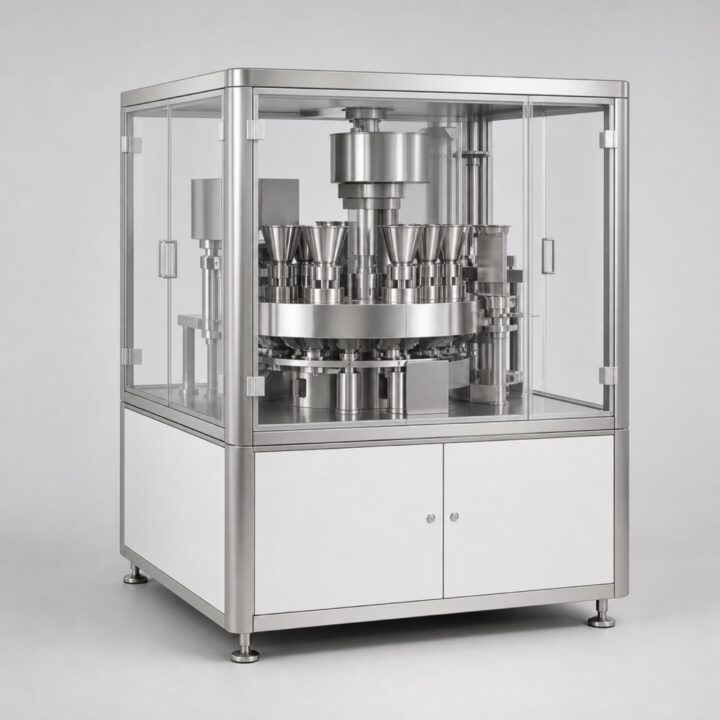
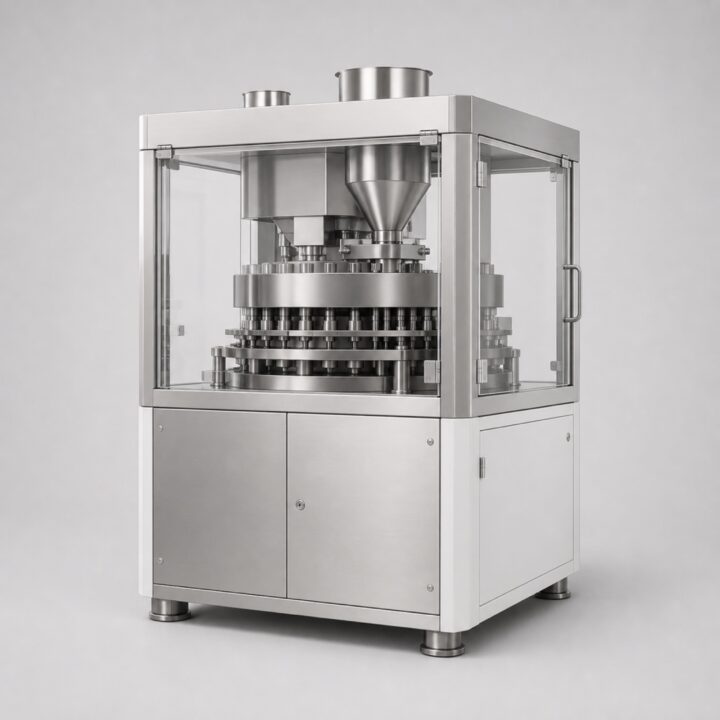
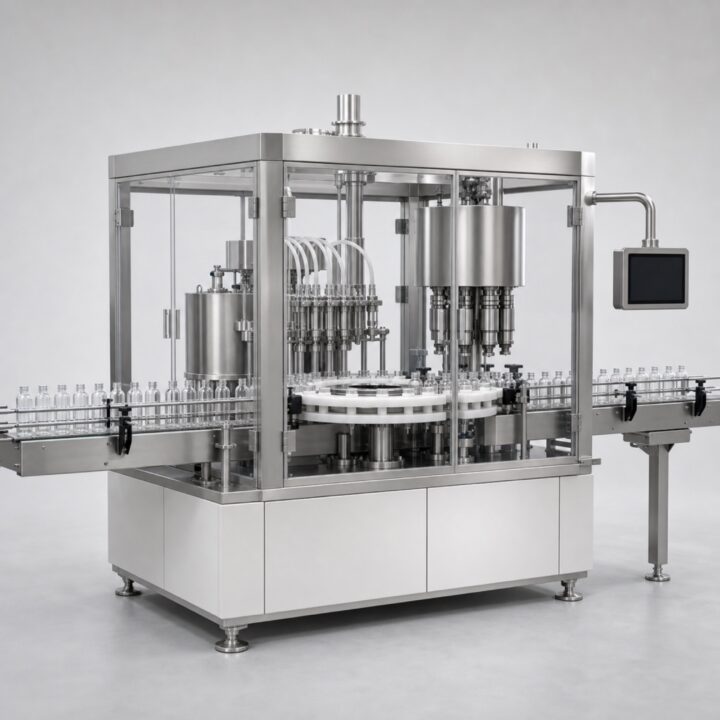
Nothing exotic here — these are the machines our application engineers end up quoting week after week.
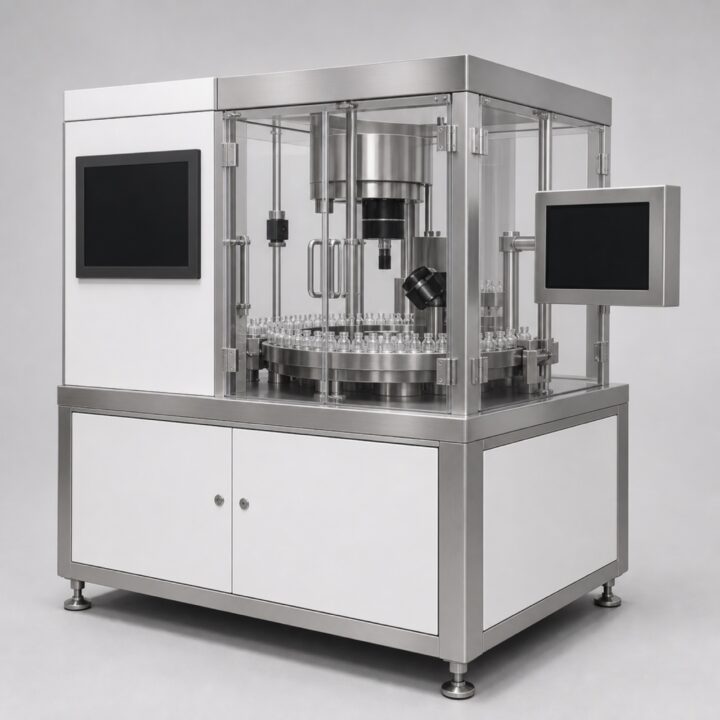
Each vial gets spun to set particles moving, then cameras judge liquid, glass and…
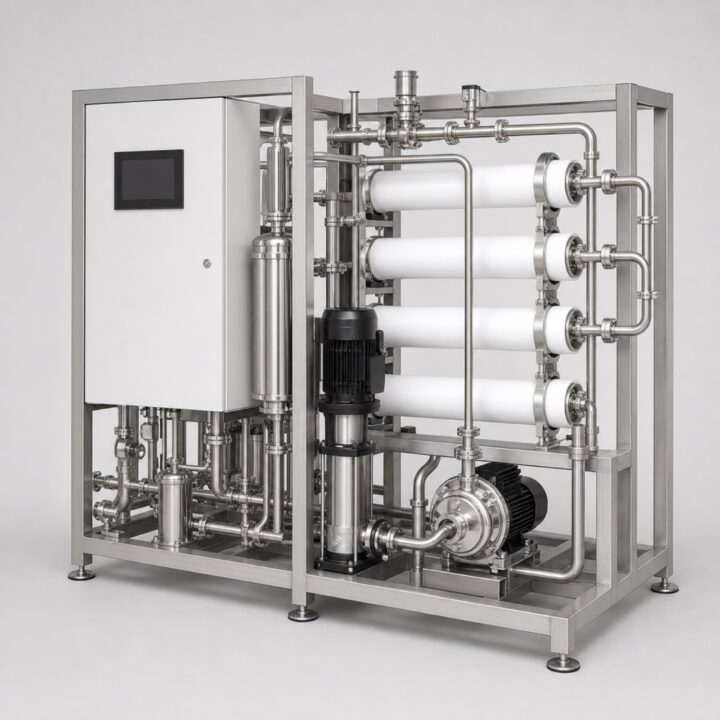
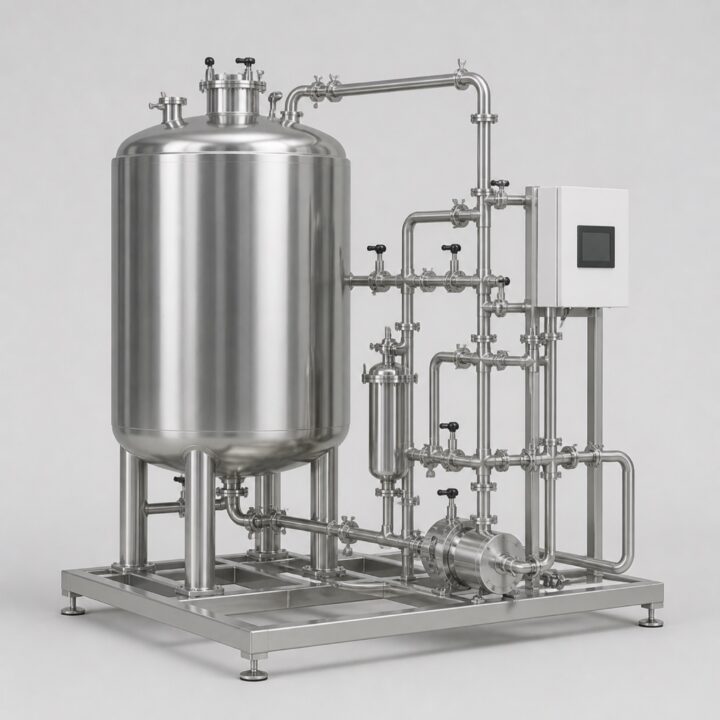
View & InquireSoftening, RO and EDI on one pre-piped skid that sends water to drain by…
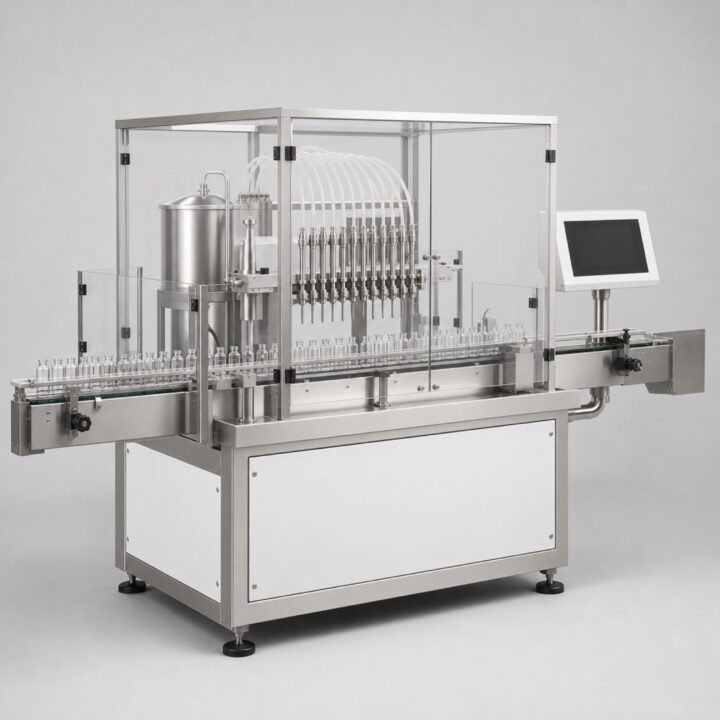
View & InquireProduct touches nothing but the tubing set, and the set changes between products inside…
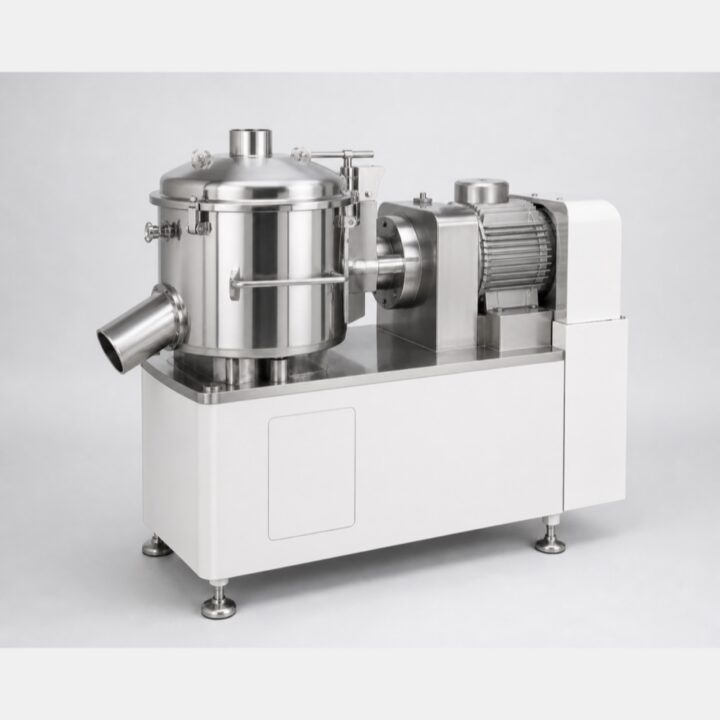
View & InquireA 150-litre bowl with a side chopper, and an endpoint you call from impeller…
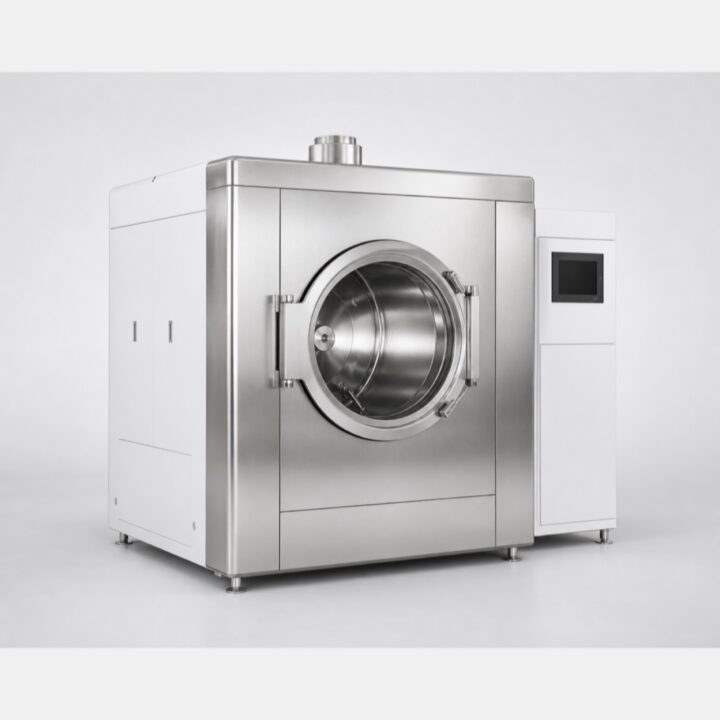
View & InquireFully perforated drum, low-shear welded baffles, and a spray boom that pulls out on…
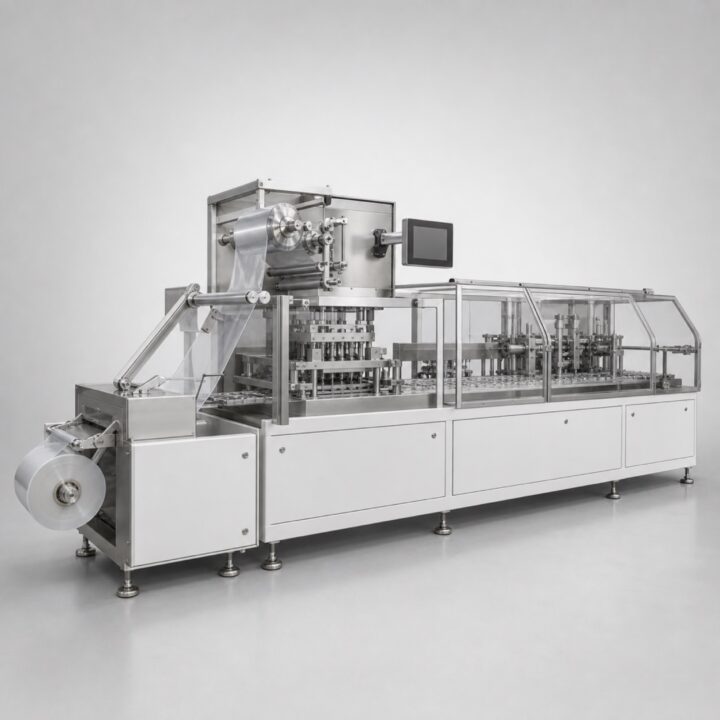
View & InquireOne frame, one index: forming and sealing sit on separate PID loops so pocket…
View & InquireA twelve-segment dosing turret that throws out any faulty capsule before it reaches the…
View & InquireThirty stations, dust extraction taken off at the tooling, and a turret that accepts…
View & InquireReferences
The settings card came filled in for our own granulate, which I did not expect. We ran weight checks on the first batch and touched nothing.
Filler died on a Tuesday, mid-campaign. Their engineer worked it out from two photos of the pump head and the part was on a courier that afternoon.
Our auditor asked for the weld log and the Ra readings. Both were in the dossier, indexed by serial number. That has honestly never happened to me before.
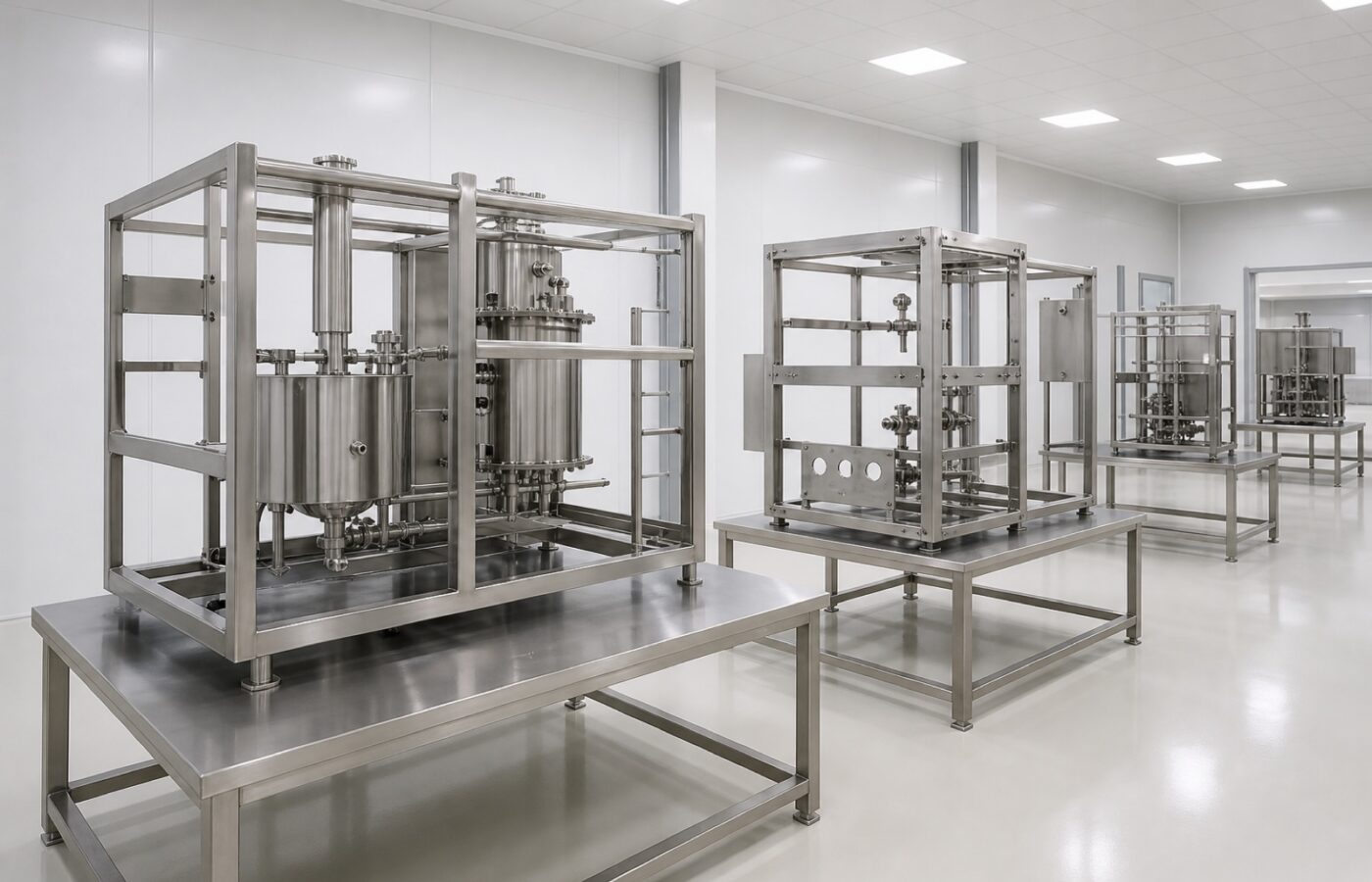
The polishing bay
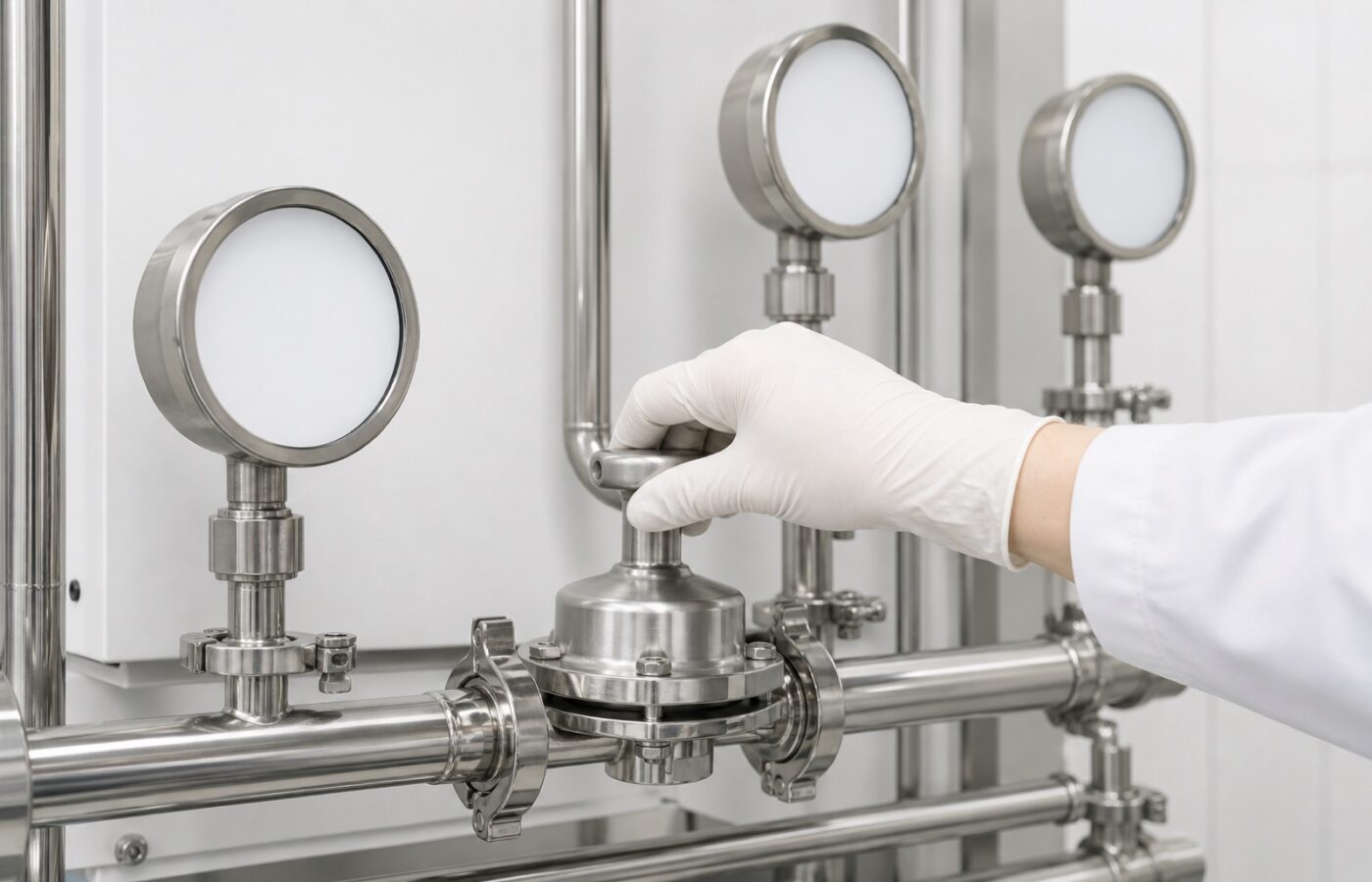
Our polishers work every product-contact surface to a measured finish, then a technician checks it with a profilometer and writes the reading on the part's traveller. A weld that looks fine under shop lights can still hold residue at 1.2 micron.
How we qualify a build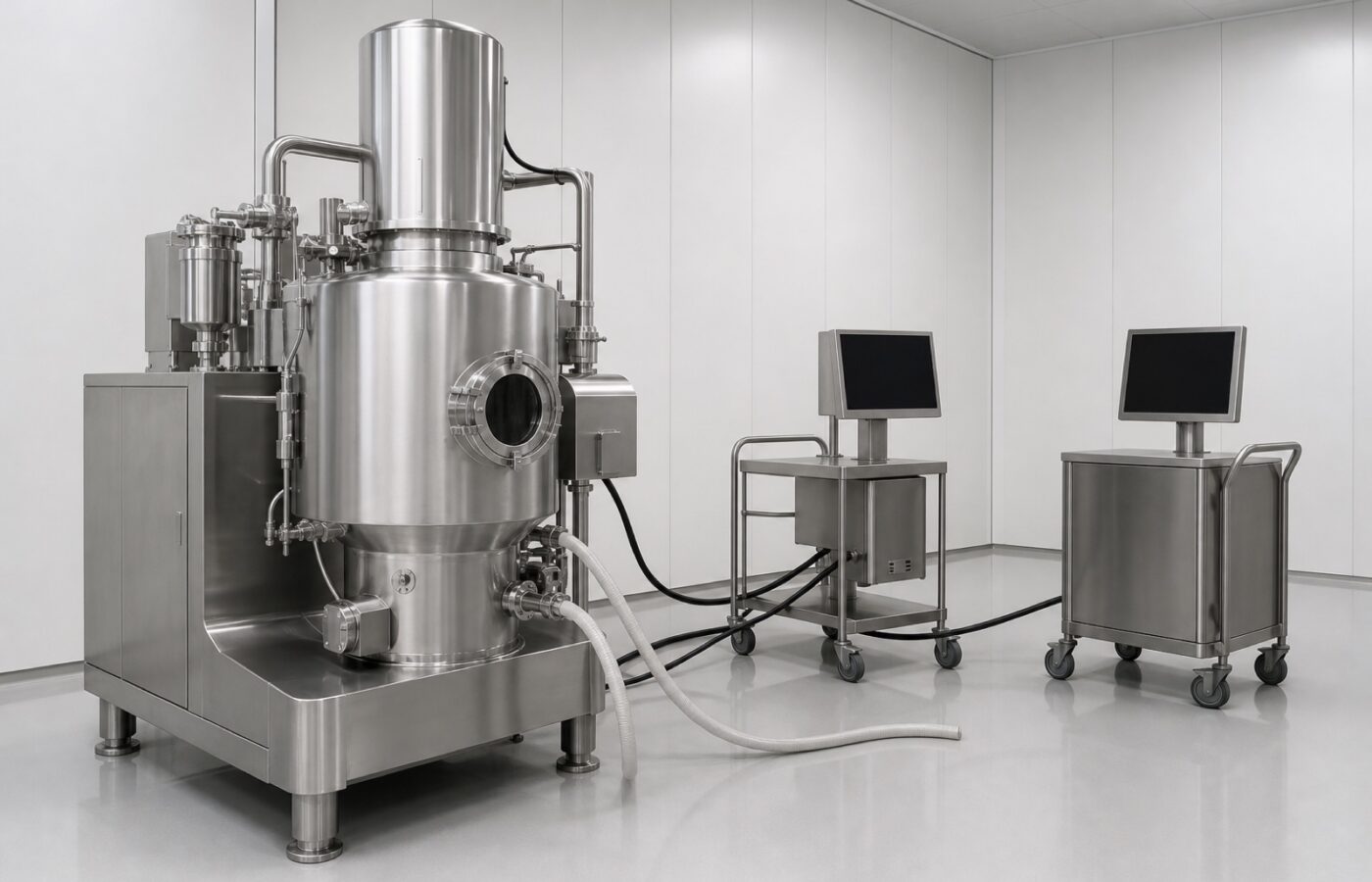
Before the crate closes
Every unit runs its stations at rated speed, has each interlock tripped by hand, and has its instruments checked against certified references. Open issues stay open until they are closed — a machine with an unresolved line on that list does not get crated.
Send us your batch detailsThe usual route
No stage gates with clever names. This is genuinely how it goes.
Dosage form, batch size, the room and its utilities. An email with those four is enough to start.
Model, format parts and options get matched to your granulate, then quoted with the specification attached.
Fabrication, polishing and assembly here, then the factory acceptance protocol with your format installed.
Commissioning, cleaning and changeover training for the operators, spares in your store before you need them.
An application engineer comes back inside one business day with a model, the format parts it needs and a written specification. If nothing in our range fits, we will say so.

Scan with WeChat to start a chat.
Please share your product, batch size and room details. We will reply promptly.