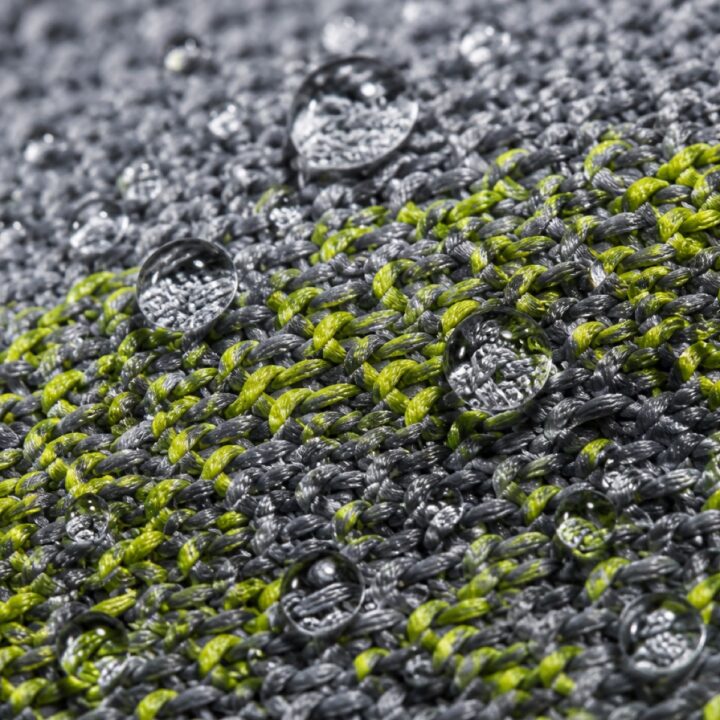
190 gsm
Lightweight Training Hood
Composition: 88% polyester, 12% elastane
A 190 gsm hooded long-sleeve with thumbhole cuffs, cut close enough to go under…
$82.00 Add to cart
Built for the second half of the run
Running and training apparel cut for movement, with the fabric weight, the fit and the seam placement written on every product page so you can compare them before you buy.
Collections
Six collections covering what you run and train in. Every product page lists fabric, weight in gsm, fit and size range so you can compare like for like.
Shop all kitThe range
Easy runs, intervals, the gym, and the cold morning in between. Sizes shown on each card are the range the piece is cut in.
Shop all kit190 gsm
Composition: 88% polyester, 12% elastane
A 190 gsm hooded long-sleeve with thumbhole cuffs, cut close enough to go under…
48 gsm face fabric
Composition: 100% polyamide ripstop with a water-repellent finish
A 48 gsm ripstop shell that stops wind and packs into its own chest…
180 gsm knit
Composition: 58% polyamide, 38% polyester, 4% elastane
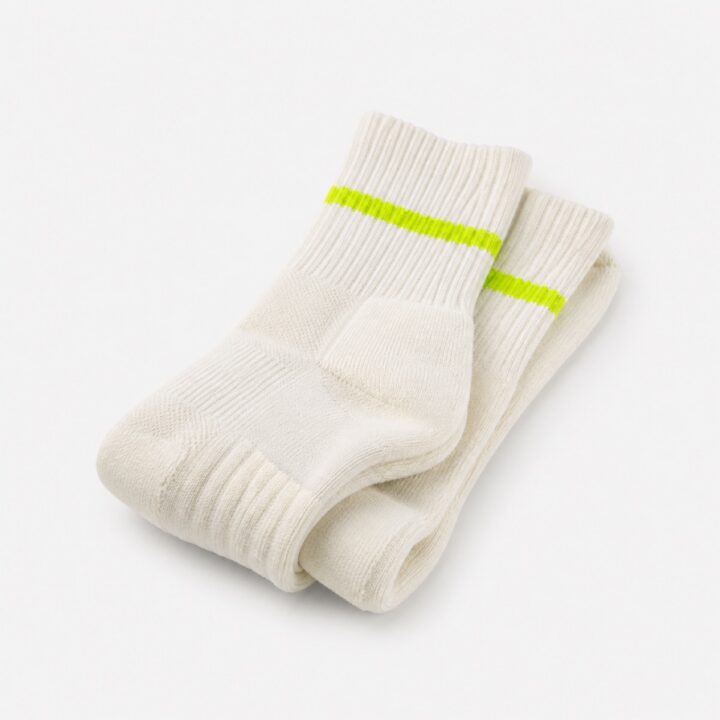
Two pairs. Left and right specific, with a ribbed arch band and a flat…
240 gsm
Composition: 76% polyamide, 24% elastane
A 240 gsm knit tight with a 4 inch bonded waistband, a thigh pocket…
220 gsm
Composition: Body 72% polyamide, 28% elastane; lining 90% polyester, 10% elastane
Medium support from a bonded underband rather than a clasp. Removable cups, no wires,…
Shell 95 gsm, liner 160 gsm
Composition: Shell 100% polyamide; liner 80% polyamide, 20% elastane
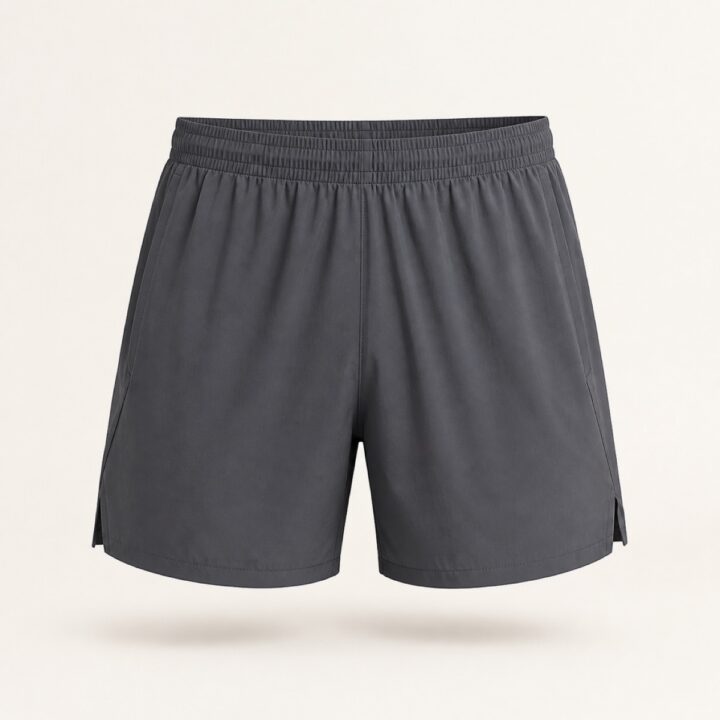
A 5 inch shell over a bonded liner, with a zip pocket that holds…
125 gsm
Composition: 92% polyester, 8% elastane
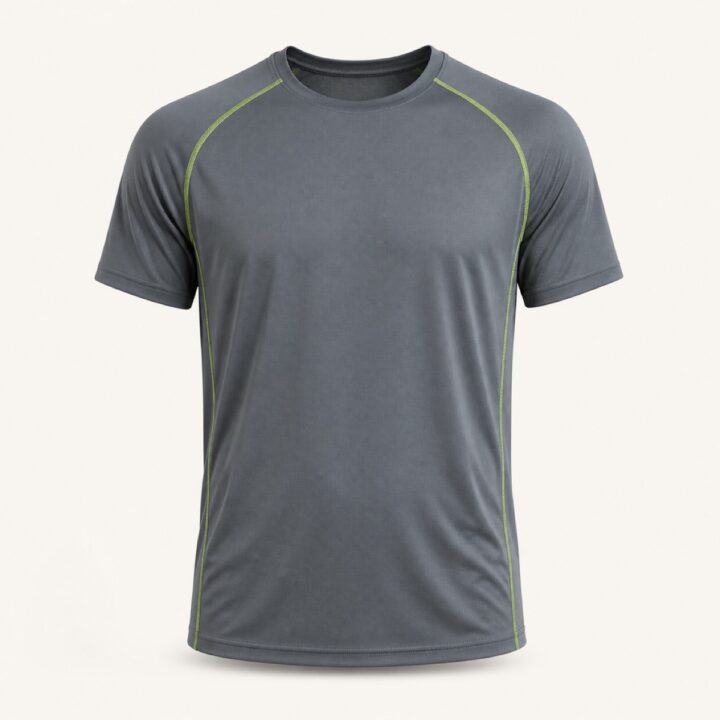
A 125 gsm knit tee cut close, with flatlock shoulder seams and nothing under…
Field notes
Fabric composition, weight, fit and seam placement are printed on every product page.

Weight in grams per square metre is the single most useful number on a garment. A 120 gsm knit is a summer tee; a 300 gsm loopback is a winter hoodie. We print it on every product page so two pieces can be compared without guessing.

Flatlock seams lie flat instead of standing proud, so they do not saw at skin over a long effort. We use them wherever a seam crosses a moving joint, and we move the shoulder seam inboard on tops that get worn under a pack.

Close or regular, stated on the page. Close is cut to sit against the body for layering and longer distances. Regular leaves room through the chest and waist for gym work and for wearing on its own.

No drying times, no wicking percentages, no temperature ratings. Those figures depend entirely on the test method, and we are not going to publish a number we cannot show you the method for. [Client to confirm which, if any, fabric test reports they hold.]
How we build
Fabric weight decides more than anything else on a garment: how fast it dries, how much wind it stops, whether it clings when it is wet. Every product page prints the weight in gsm and the full fibre composition, because that is what actually tells you when to wear a thing.
Long runs find every seam. Ours are flatlock where they cross a moving joint, moved off the shoulder line where a pack sits, and kept out of the underarm on the tee. It costs more to sew and it is the difference between an hour and three.
Everything is cut either close or regular, and the product page says which. No brand-invented fit names, no guessing from a photograph. Where a piece runs small or large against the size chart, we say so on the page rather than leaving you to find out.
We describe what a fabric is and how it is built. We do not publish drying times, wicking rates or temperature ratings, because those numbers depend on a test method and a lab, and we would rather say nothing than publish a figure we cannot show you the method for.
How to choose
Under 140 gsm for summer and hard efforts. 200 gsm and up for standing around in the cold. Every product page prints it.
Close fit for anything under a layer or over 10 km. Regular fit for the gym and for wearing on its own.
Flatlock where a seam crosses a moving joint. Shoulder seams moved inboard if you run with a pack.
Measure your chest, waist and inseam and use the chart, not your usual size. Between two sizes, size up in tops and down in bottoms.
Journal
Fabric softener, hot dryers and biological detergent are what kill technical kit. None of them are the wash itself.
Two words instead of ten invented ones. What each actually means on a garment, and how to pick when you are between sizes.
Grams per square metre is the one number that tells you when a garment is wearable. Here is the range that matters and what sits at each end of it.
Restocks and notes
Size restocks, new colourways, and the occasional note about what we changed in a fabric and why. Roughly once a month. Unsubscribe in one click.