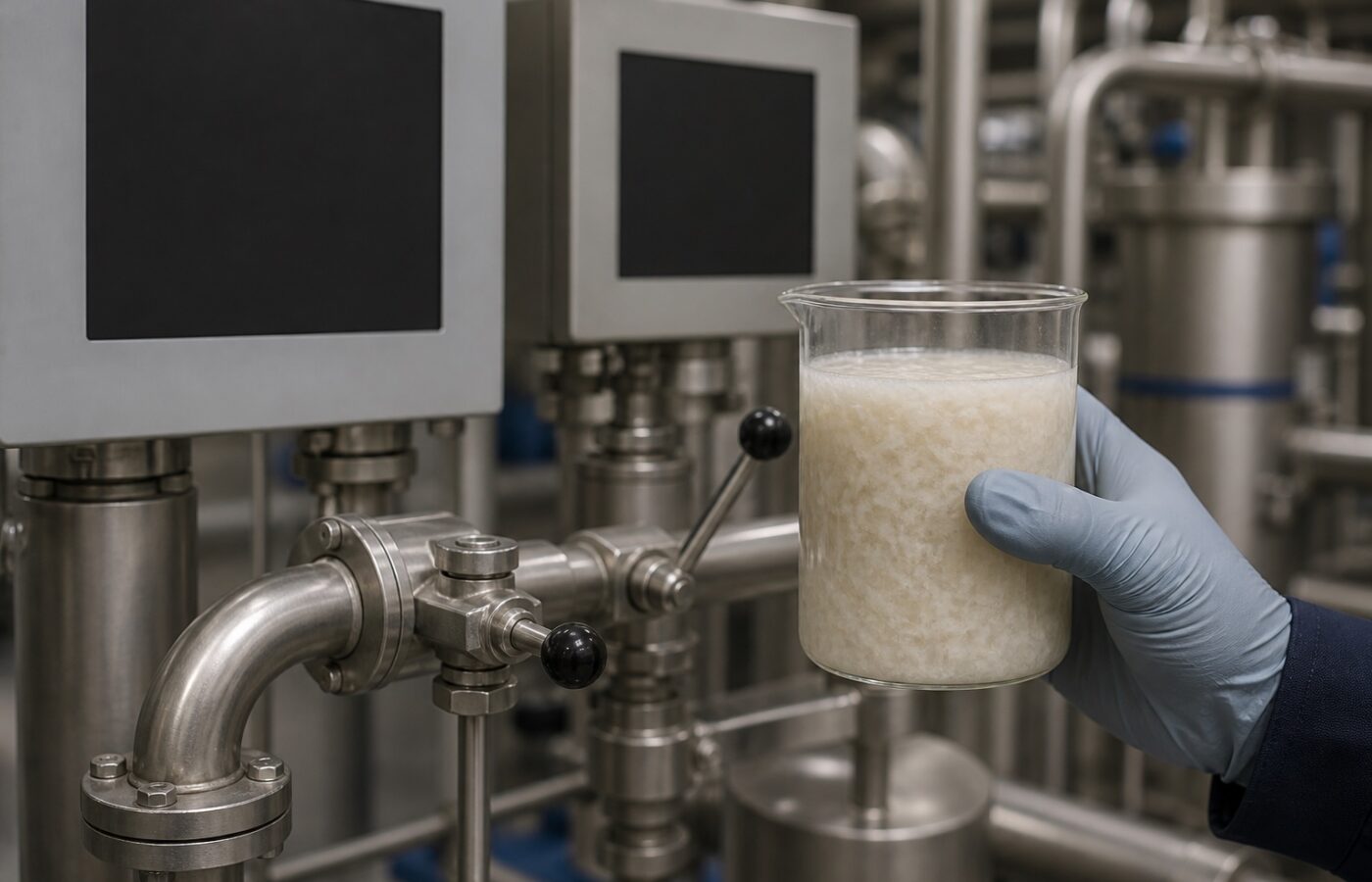
Half a percent of consistency is never just half a percent
Honest sampling points, scheduled lab calibration and calm dilution loops.
Wet end, dry end, finishing
Most of what leaves this shop is a rebuild: one pressure screen in March, a whole forming section in September. Send the furnish and the grade plan and an engineer here reads them before anybody quotes a price.
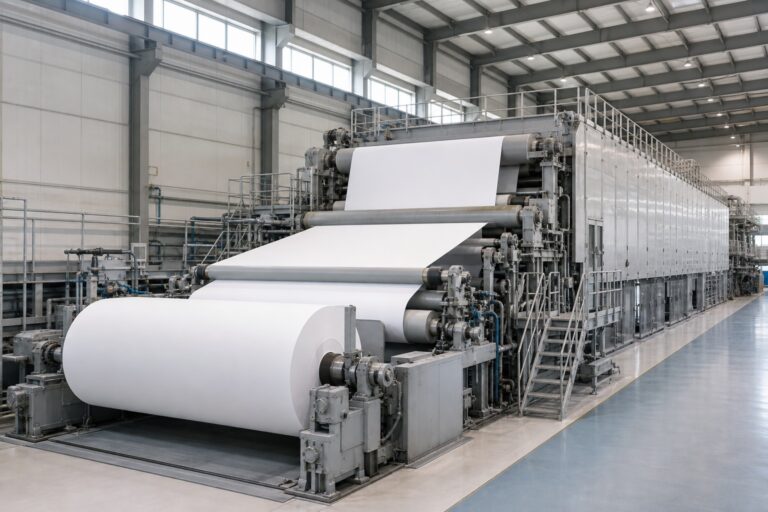
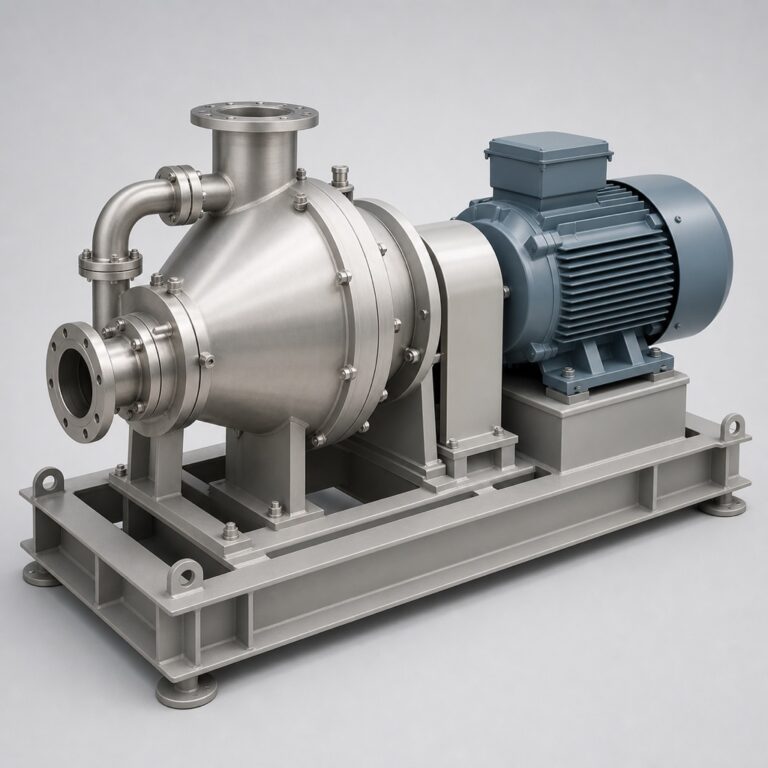
Most specified
Eight sections that keep turning up on rebuild inquiries, whatever the grade plan says.
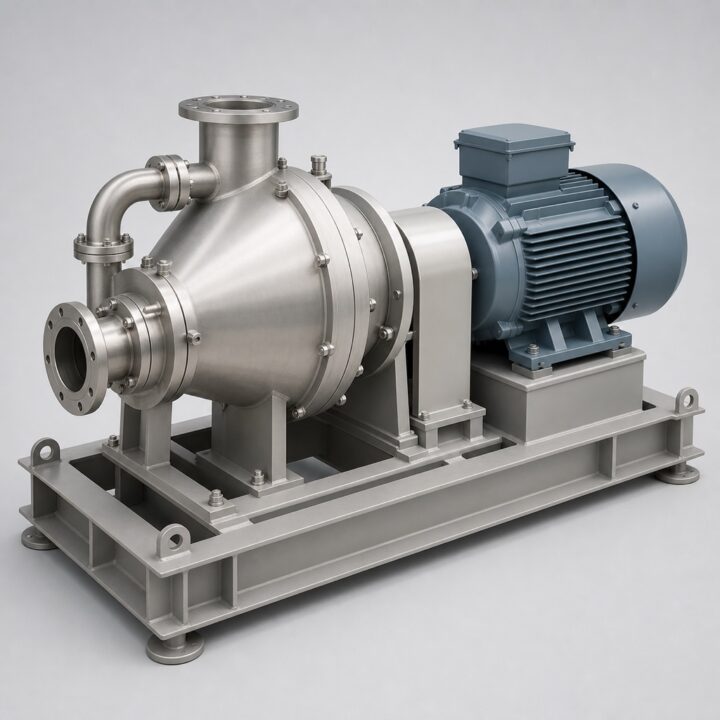
Long, low-intensity conical zone; fillings change through the front door with the piping untouched.
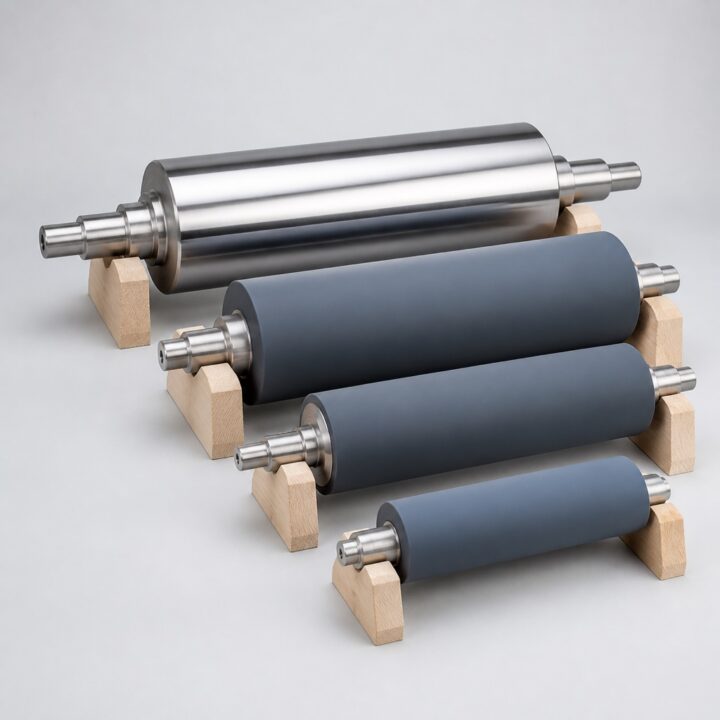
View & InquireRolls machined to your drawings, balanced at their actual running speed, one certificate per…
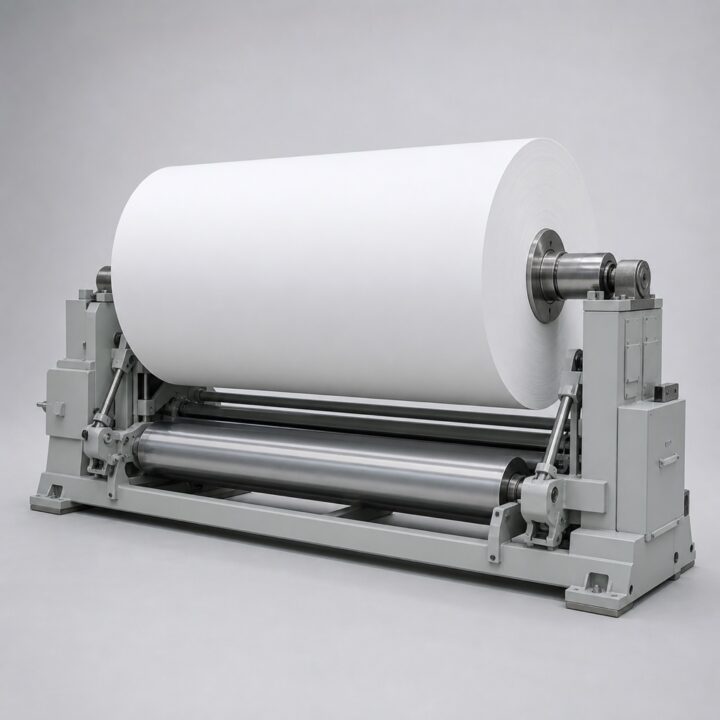
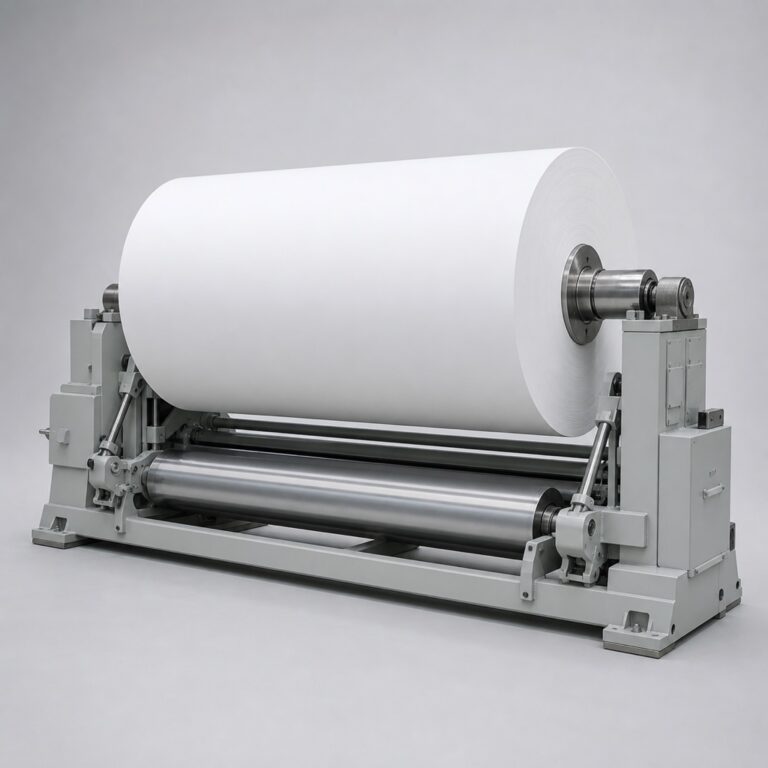
View & InquireMachine reels built against a driven drum, transfer arms hydraulically damped for turn-up at…
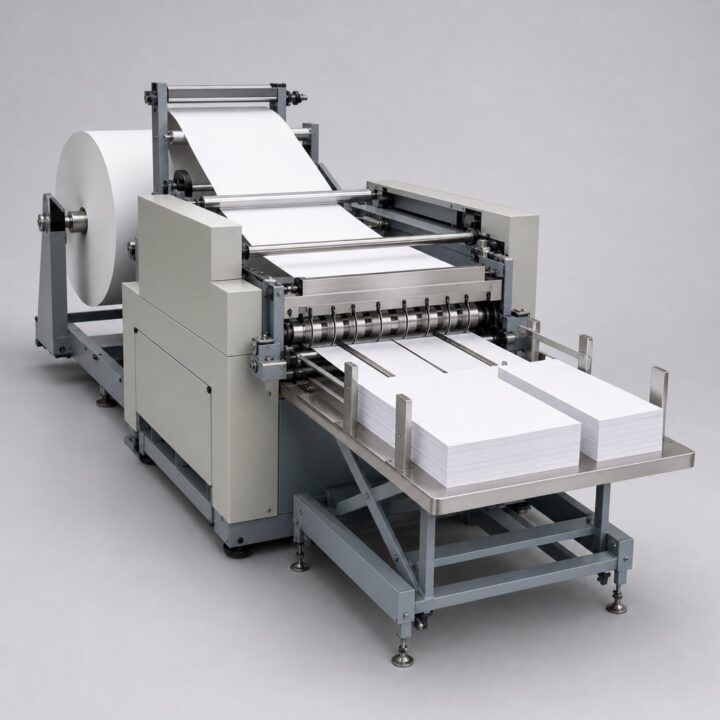
View & InquireDouble-rotary cross-cutting; vacuum tapes overlap and slow every sheet before the stacker takes it.
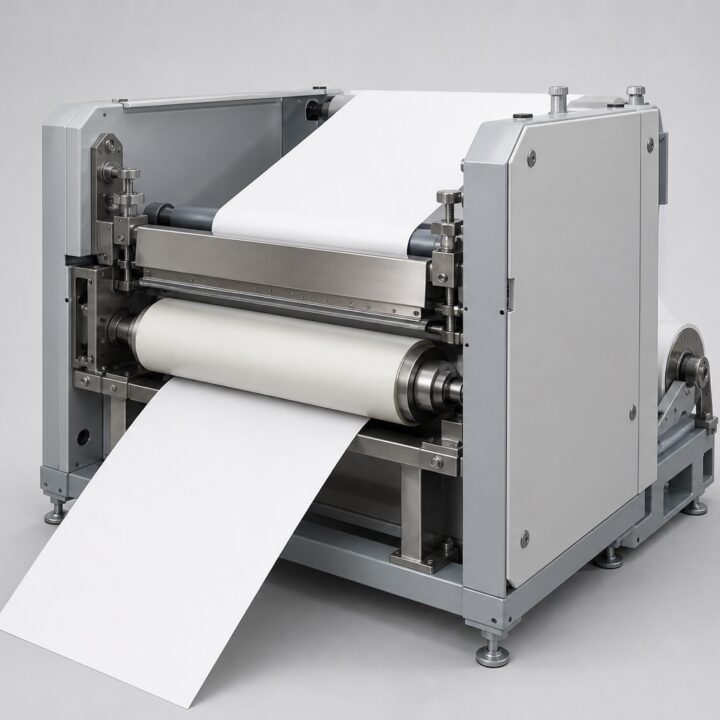
View & InquireBlade coating with a profile screw bank sitting between micrometer loading adjusters at each…
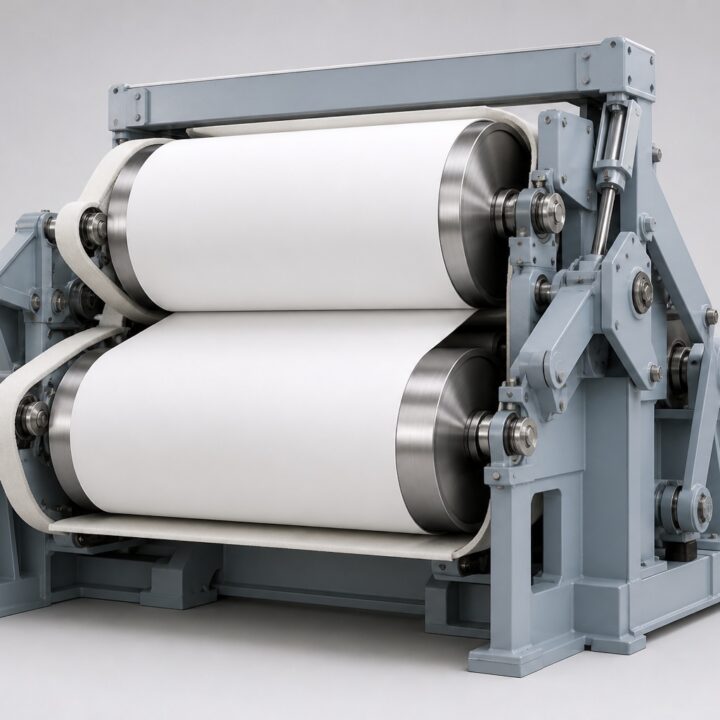
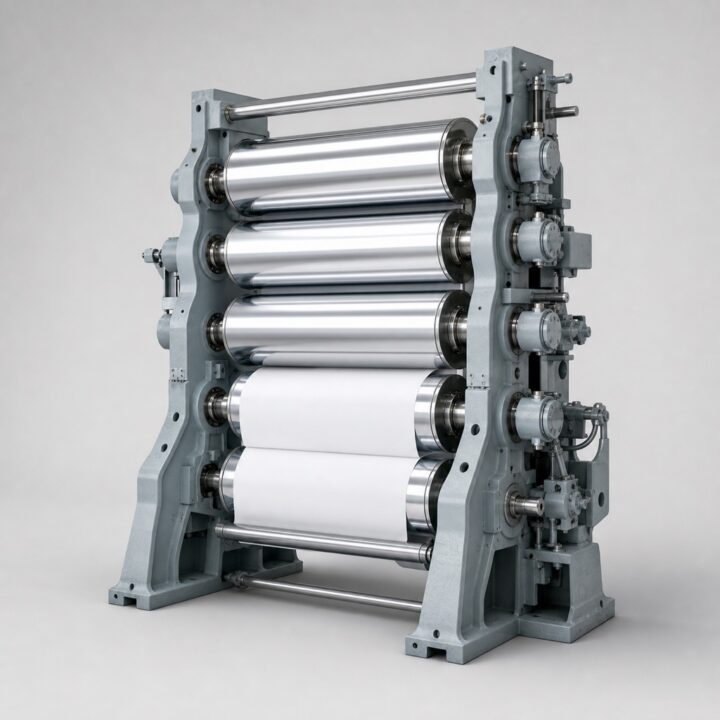
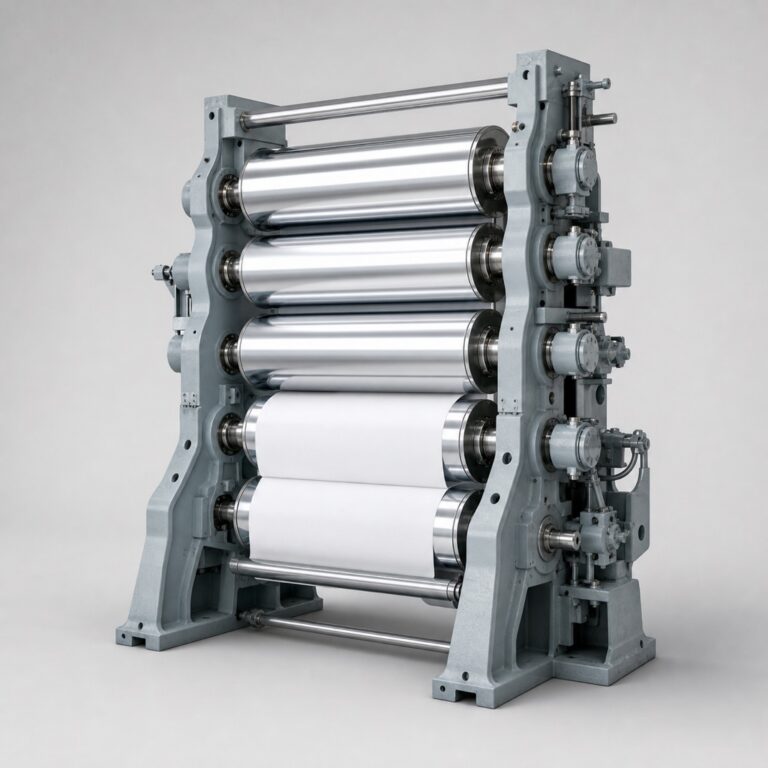
View & InquirePolished chill-cast rolls in a vertical stack, each one changed with a single pick…
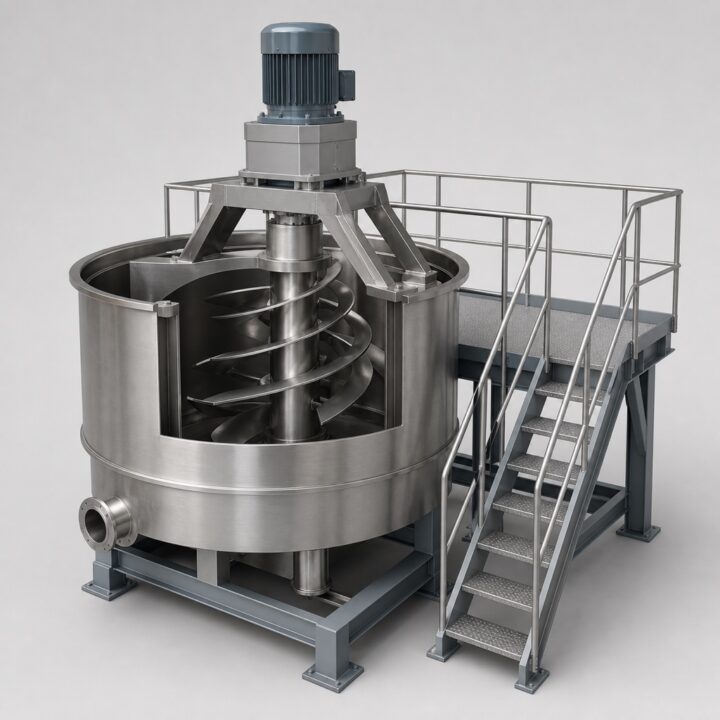
View & InquireSlushes bales and dry broke into pumpable stock; rotor clearance shims from outside the…
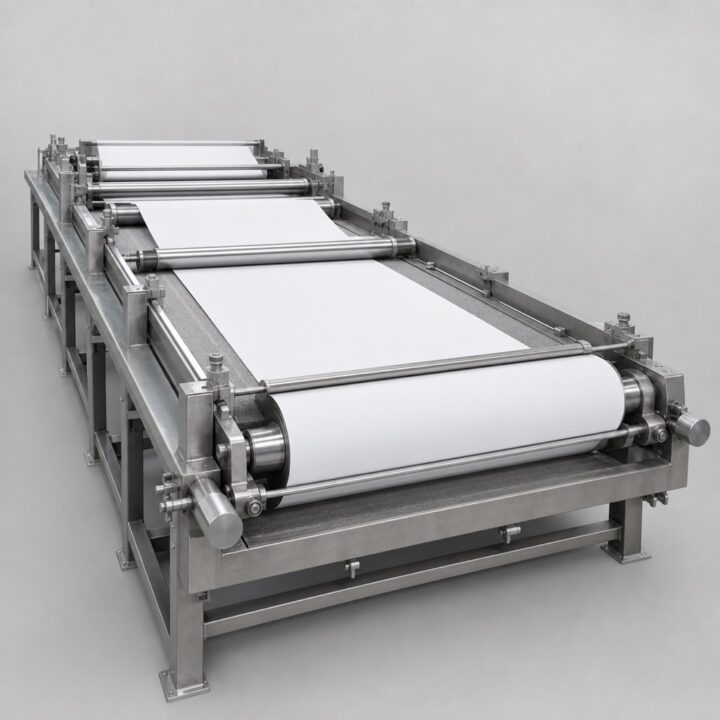
View & InquireFourdrinier section on a stress-relieved frame that gets machined flat after the welding is…
View & InquireWe specify against the stock you actually pulp, contaminants and broke ratio included.
A new section design runs on the pilot machine before anyone is allowed to sell it.
Downtime calls jump the queue. A serial number and two photos are enough to start.
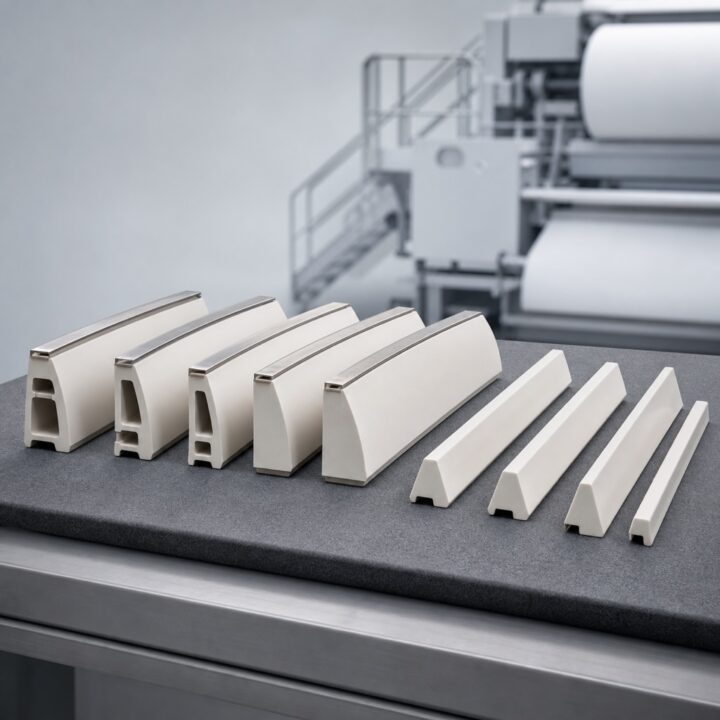
Standard bearings, front-door fillings, cartridge seals, blades cut to face length.
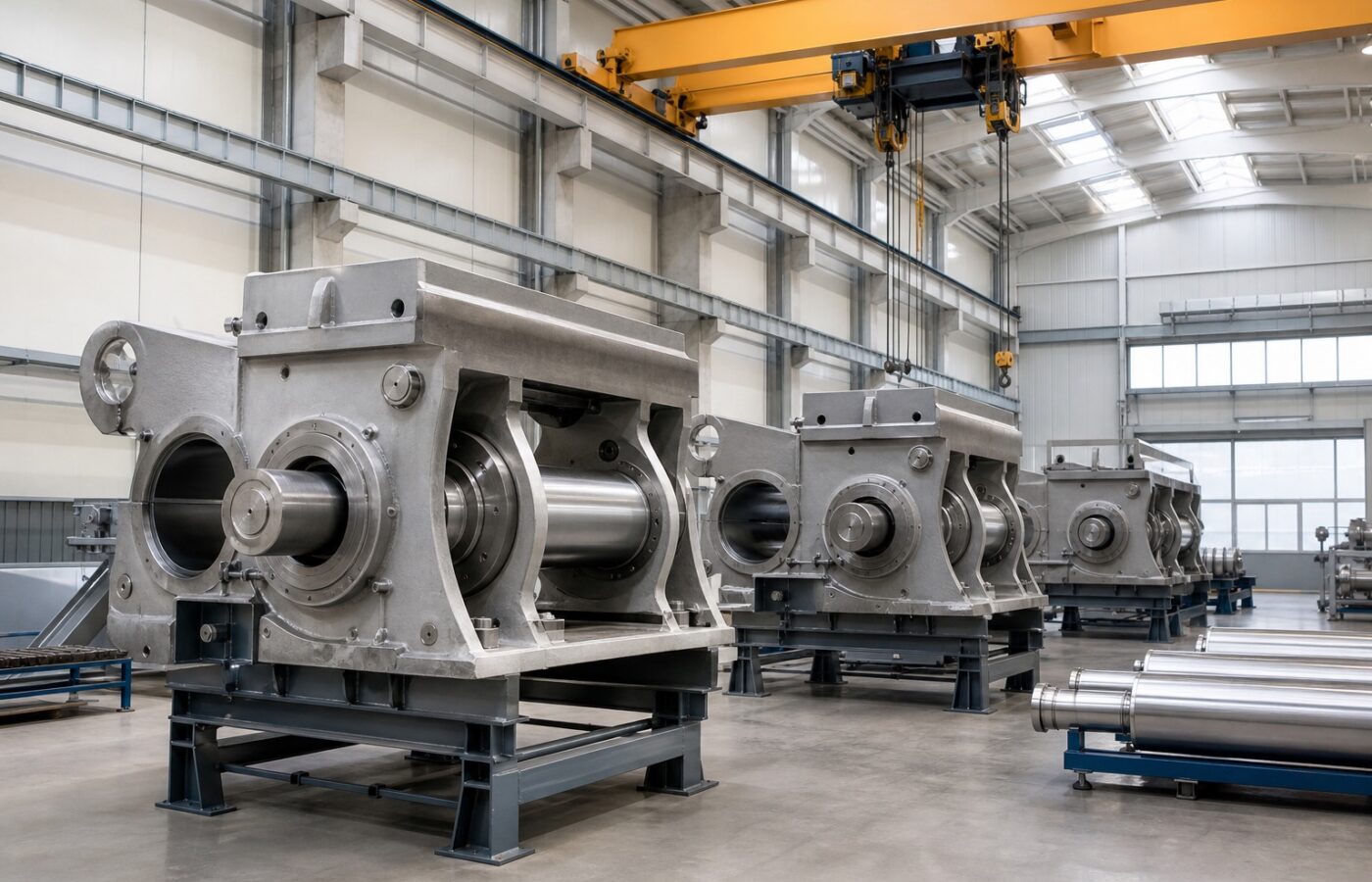
In the shop
Frame fabrication, roll turning and section assembly sit in three bays with the same inspector walking between them. Tolerances have nowhere to hide when the machinist can go and ask the welder what happened.
See the test protocolHow an order runs
Roughly what happens between your first email and first stock on wire.
Grades, basis weight range, working width, design speed, furnish. An email does it.
We size the section, pick rolls and clothing, then quote with the specification attached.
Fabrication, machining, assembly, function run, and the inspection record signed by name.
Erection supervision, first stock on wire, operator training, spares held against your serial.
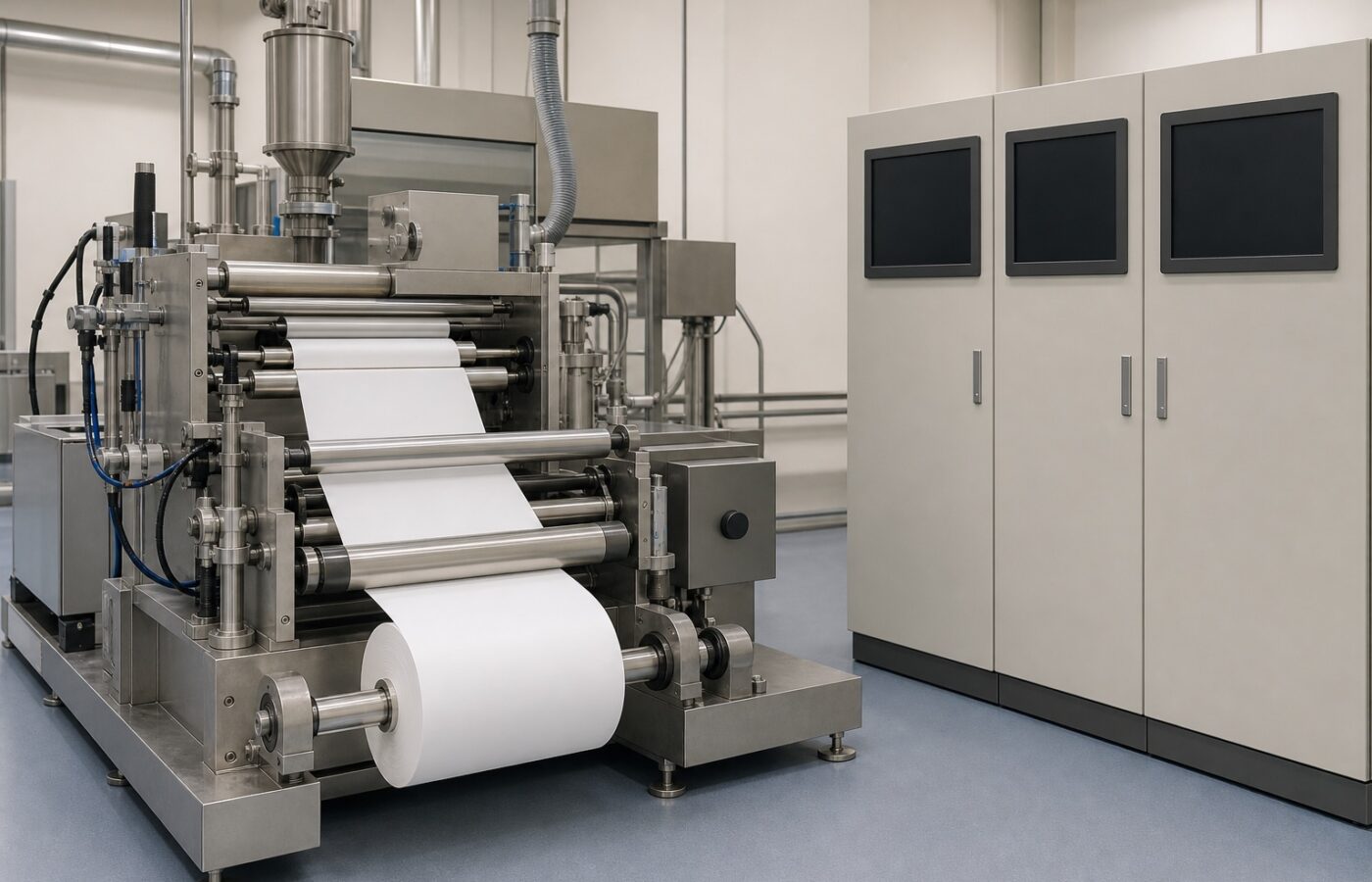
Pilot line
Send twenty bales of the stock you pulp today and we will run it across the basis weight range, at crawl and at speed. Whichever drainage settings hold the sheet are the ones written on your settings sheet.
Send a stock sampleFrom the mills
The press section arrived with the settings sheet filled in for our furnish. First stock on wire, and the nip profile was already right.
A winder bearing went mid-run. The replacement was on the evening flight with a drawing taped to the crate.
Our crew services every Fibreline section with the tools they already owned. Refiner fillings change through the front door inside a shift.
Grade plan, basis weight range, working width and design speed are enough for us to size the section and put numbers against it. An engineer replies the next working day.

Scan with WeChat to start a chat.
Which position on the machine, and what is it running now? That much is usually enough for an engineer to come back with something concrete.